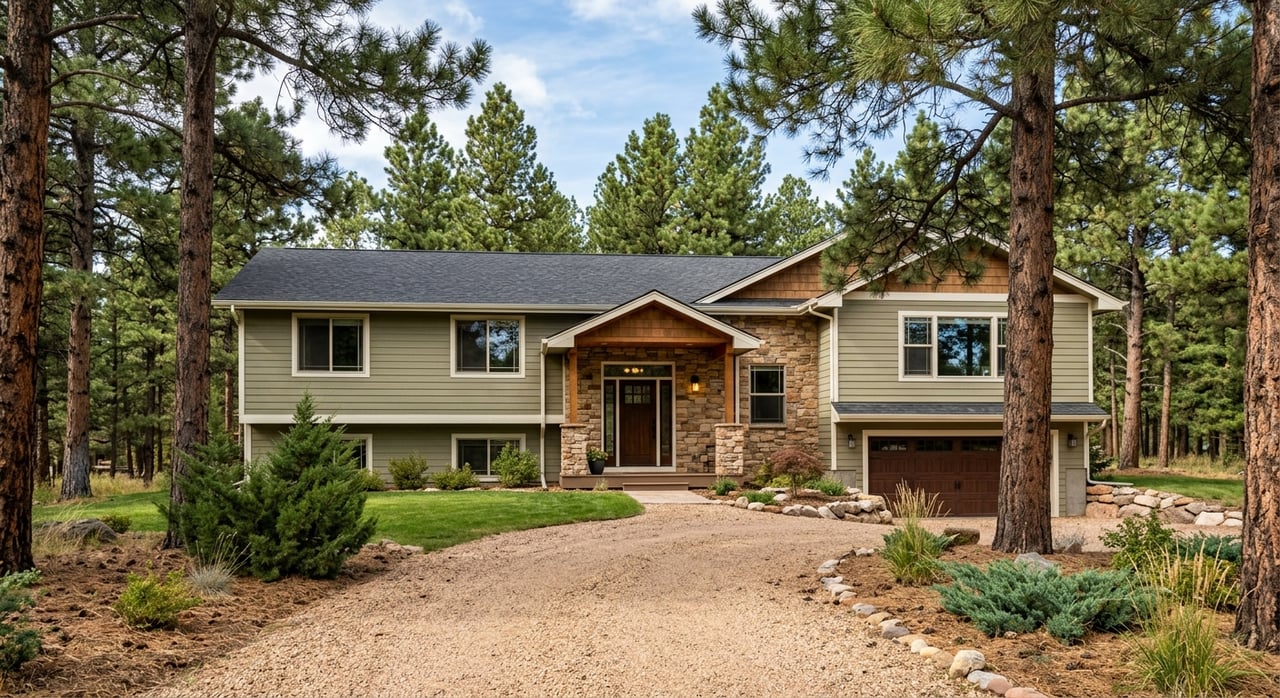
Wondering what it’s really like to live among the pines in Larkspur? If you are drawn to privacy, bigger lots, and a foothills setting that feels different from a typical suburb, Larkspur can stand out in all the right ways. Understanding the home styles, daily rhythm, and practical tradeoffs can help you decide whether this small Douglas County community fits your goals. Let’s dive in.
Why Larkspur Feels Different
Larkspur is a very small home-rule municipality in Douglas County, with the town describing about 205 residents. It sits between Castle Rock and the Tri-Lakes area along I-25, which gives you a foothills setting with access north toward Denver and south toward Monument, the Air Force Academy, and Colorado Springs.
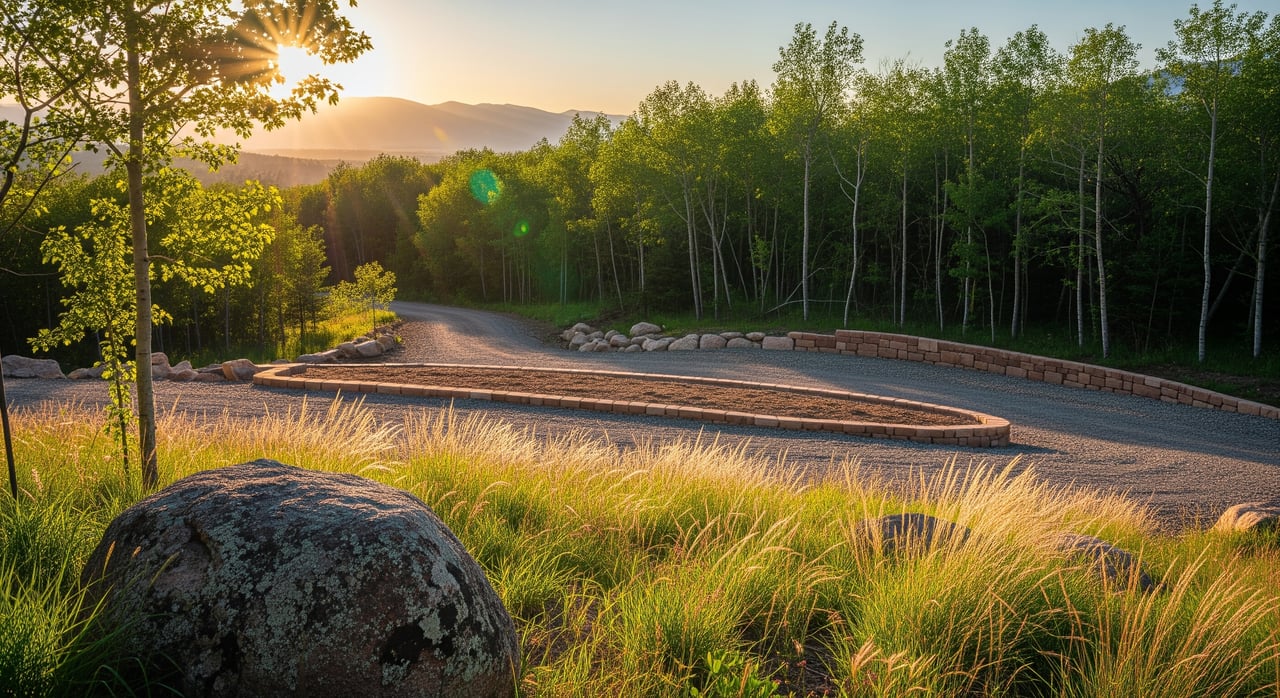
What makes Larkspur feel distinct is its small-town character and natural scenery. The town’s planning approach is aimed at maintaining that identity, so it tends to feel more like a foothills community first and a conventional suburb second.
That shape of daily life matters when you are house hunting. You are not just choosing a home here. You are choosing a quieter setting, more open land patterns, and a lifestyle that stays closely tied to the landscape.
Home Styles in Larkspur
Custom Homes Lead the Market
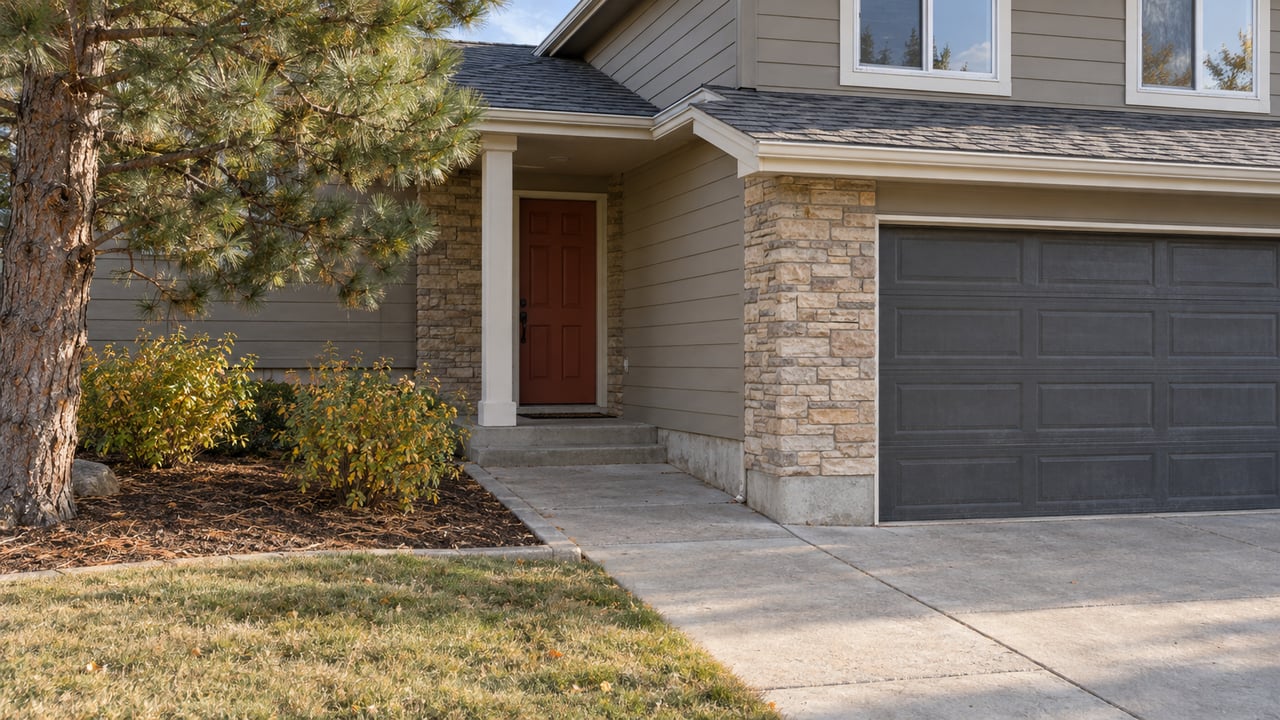
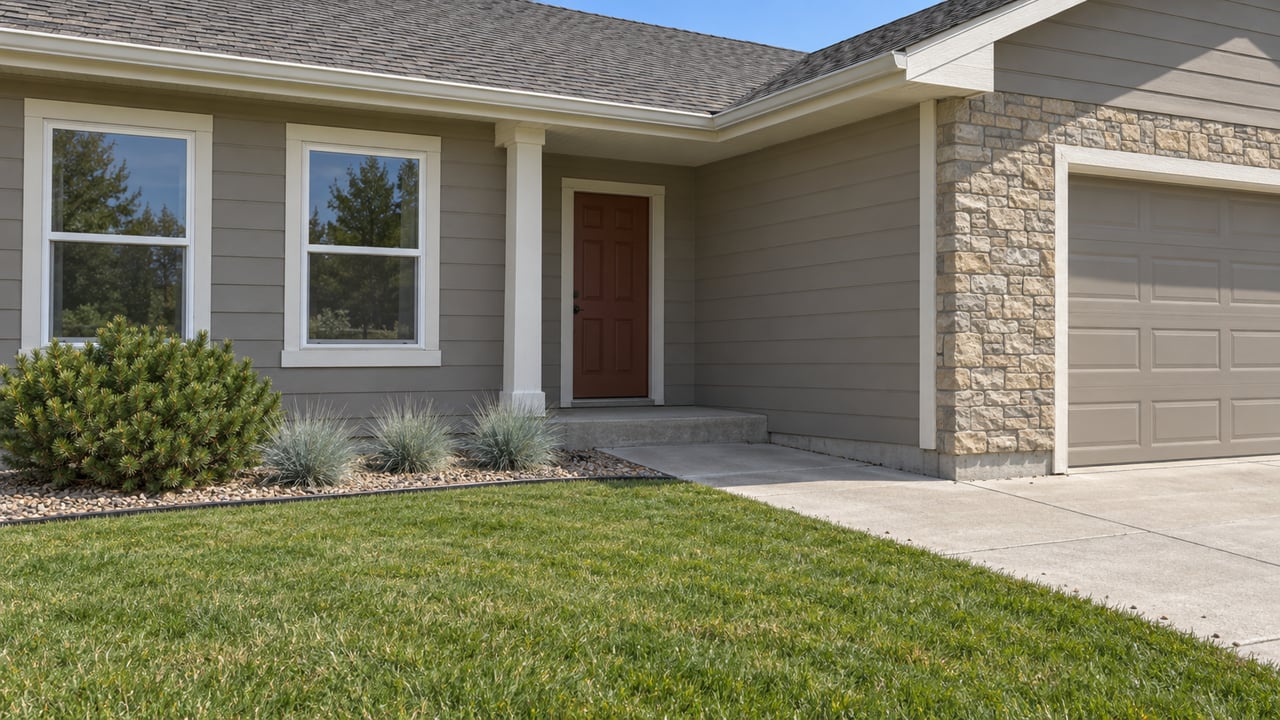
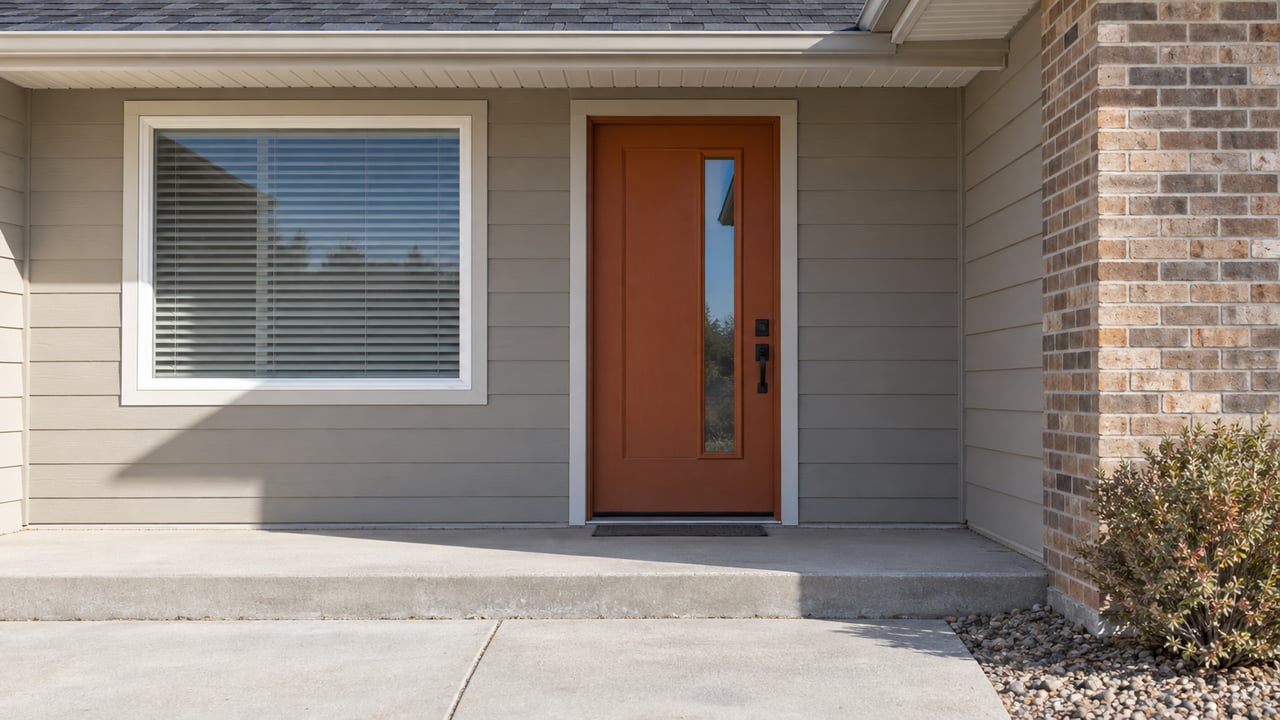
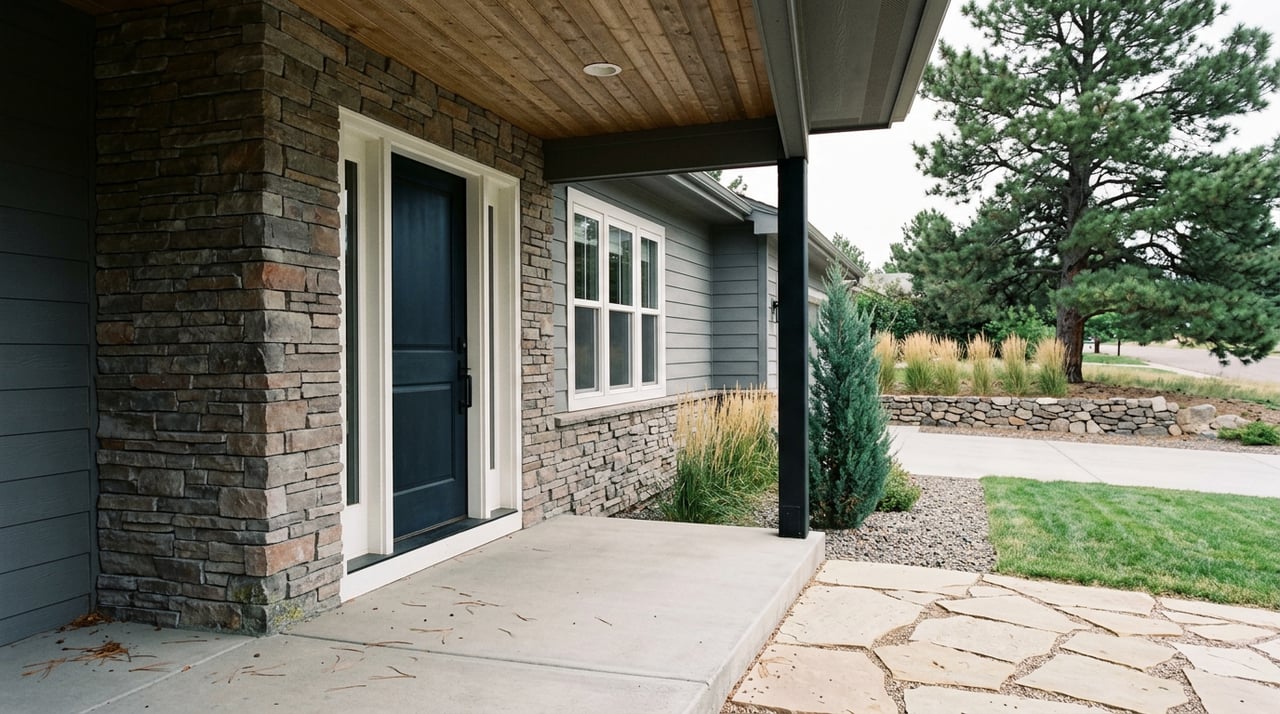
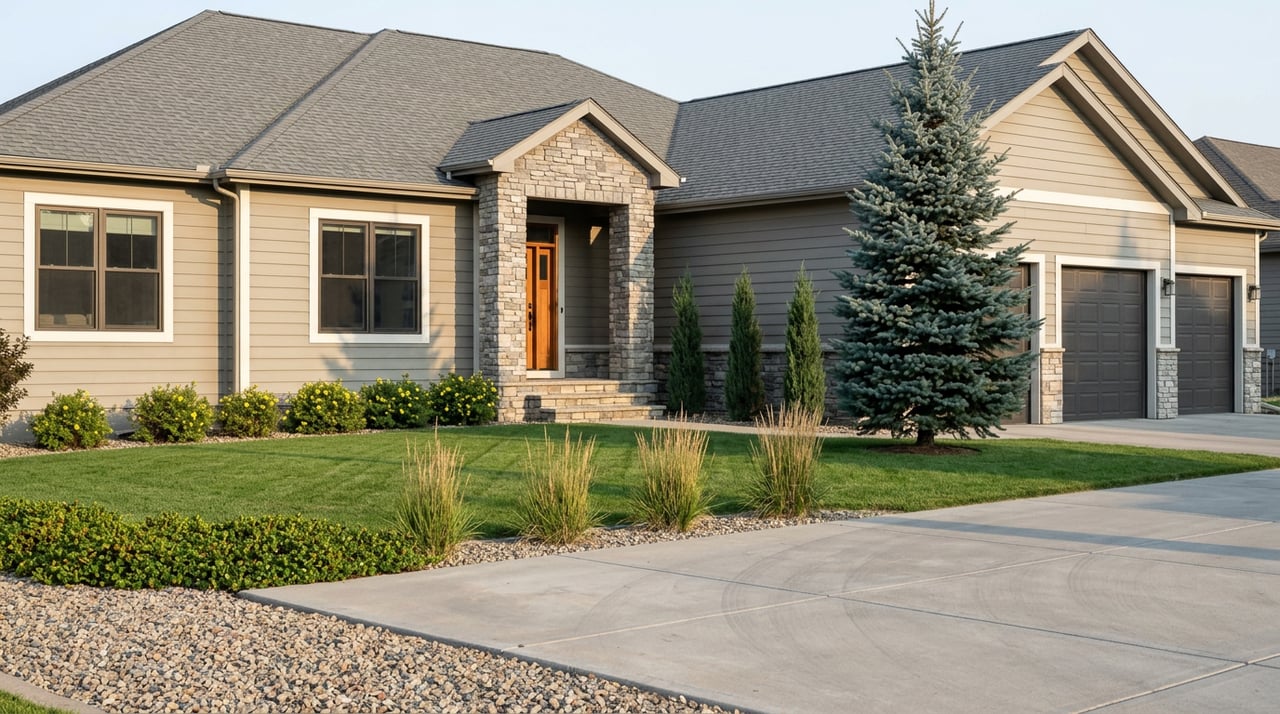
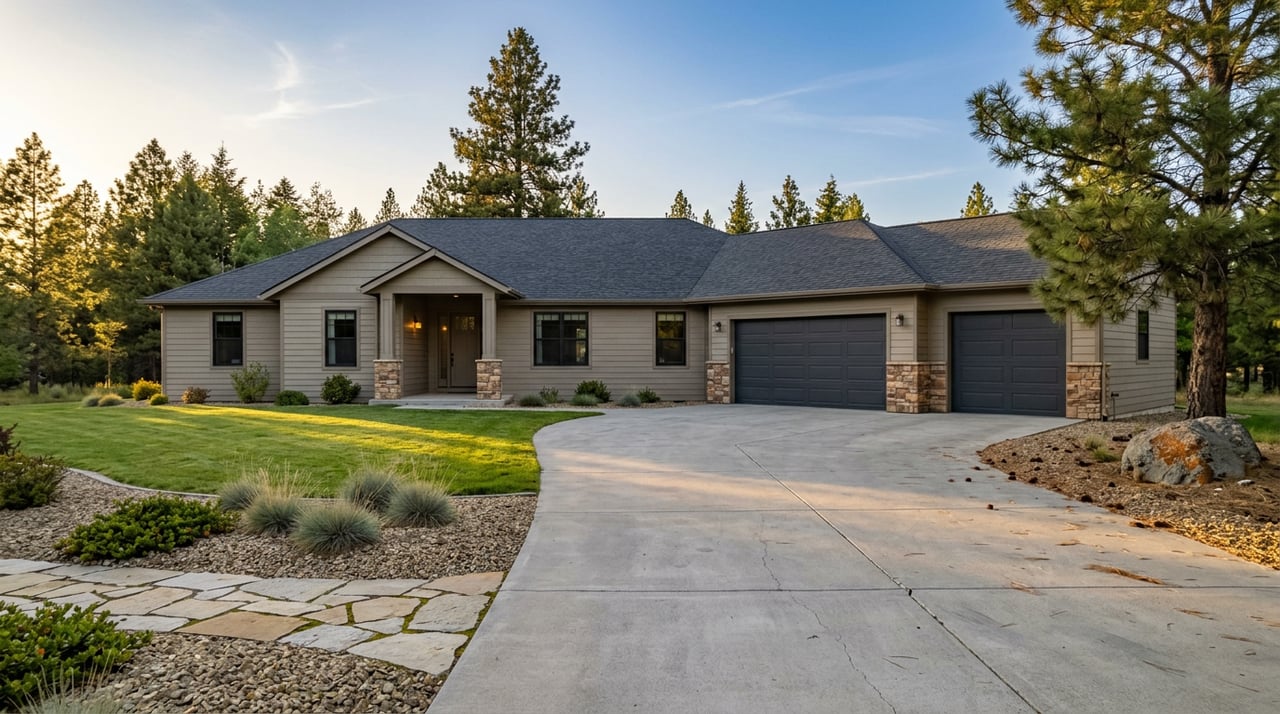
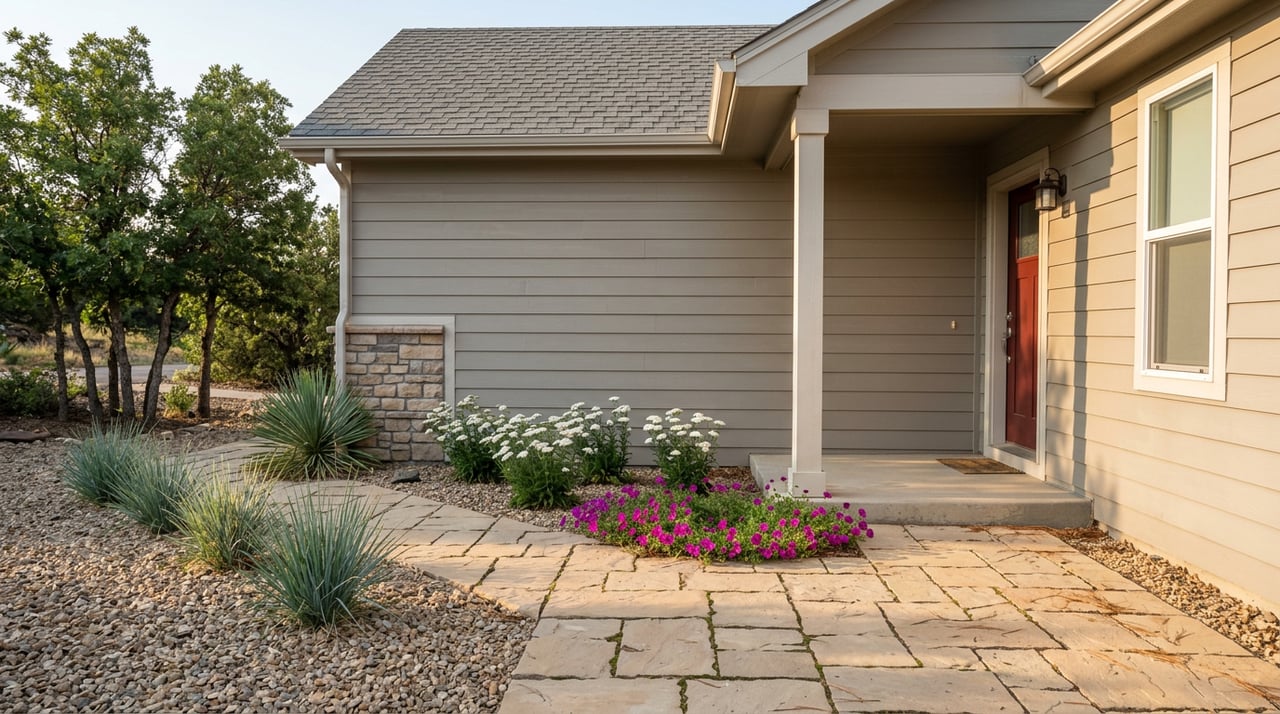
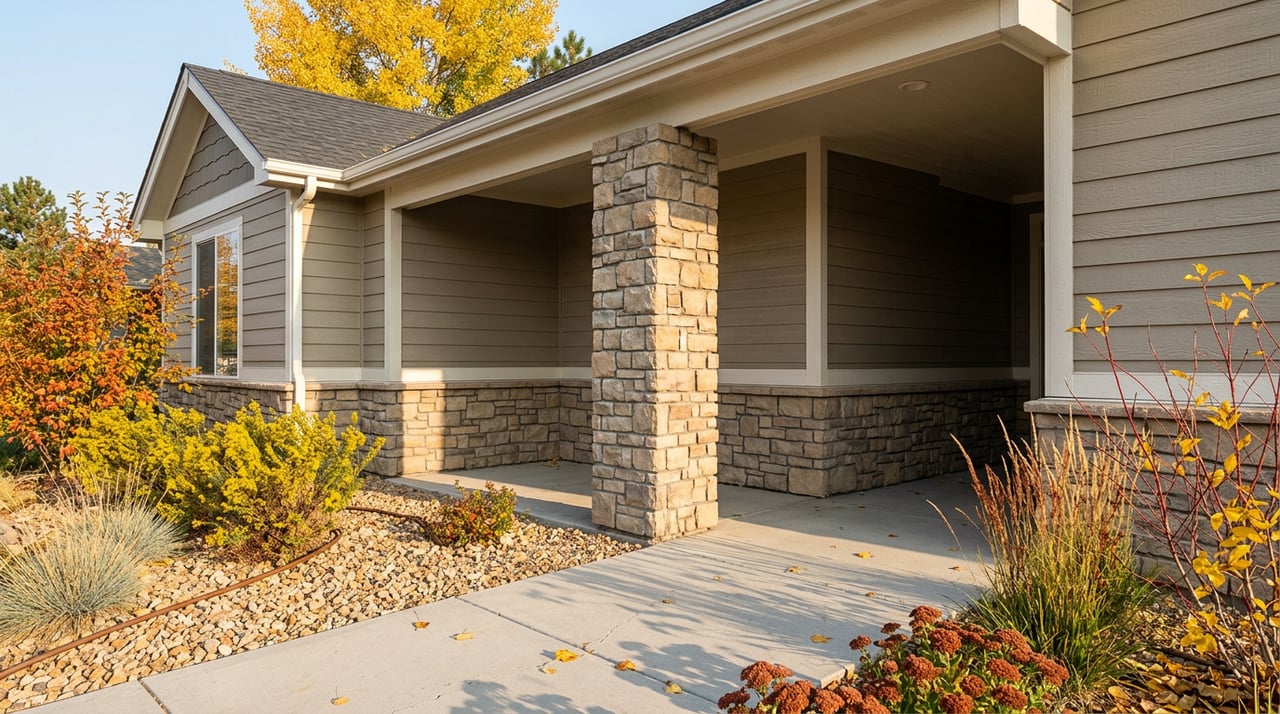
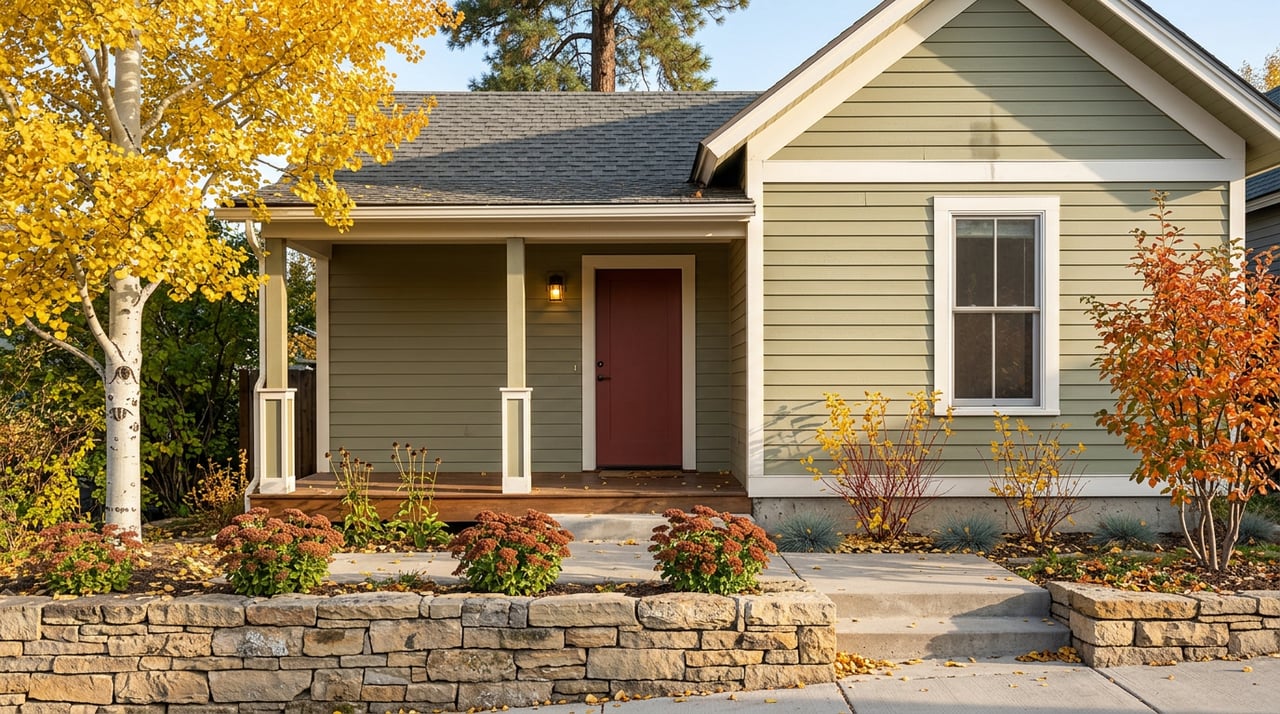
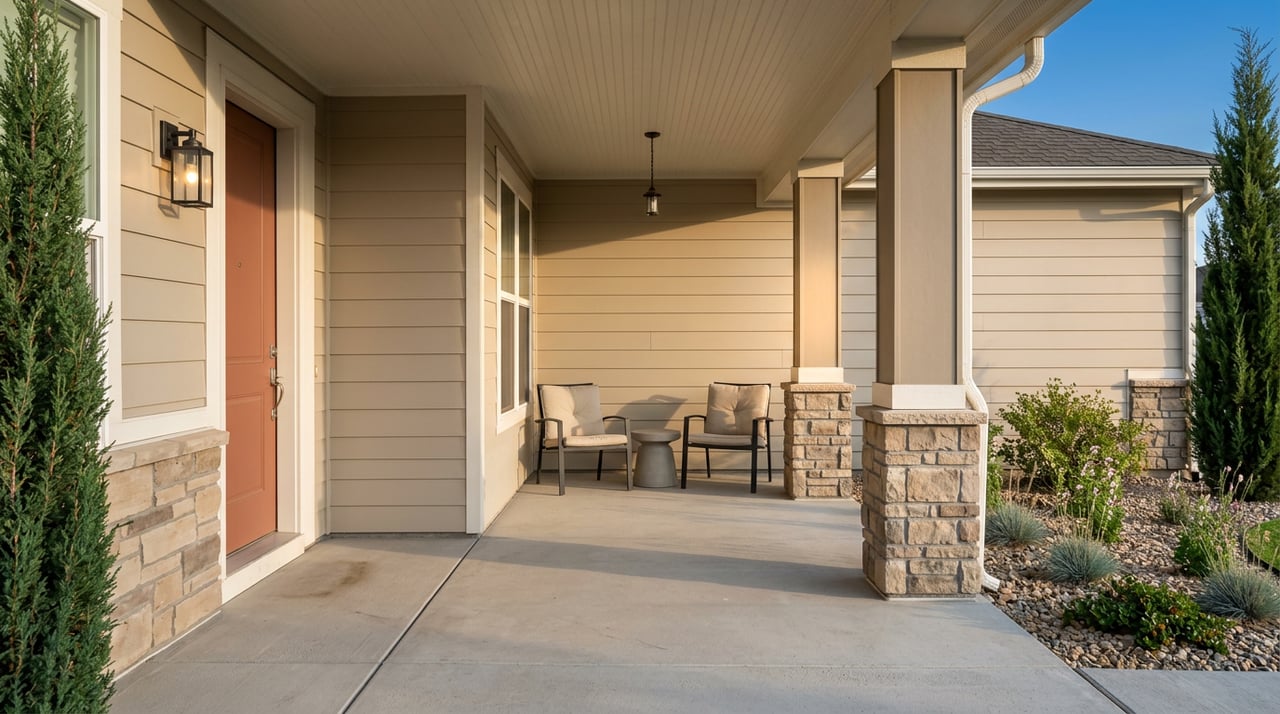
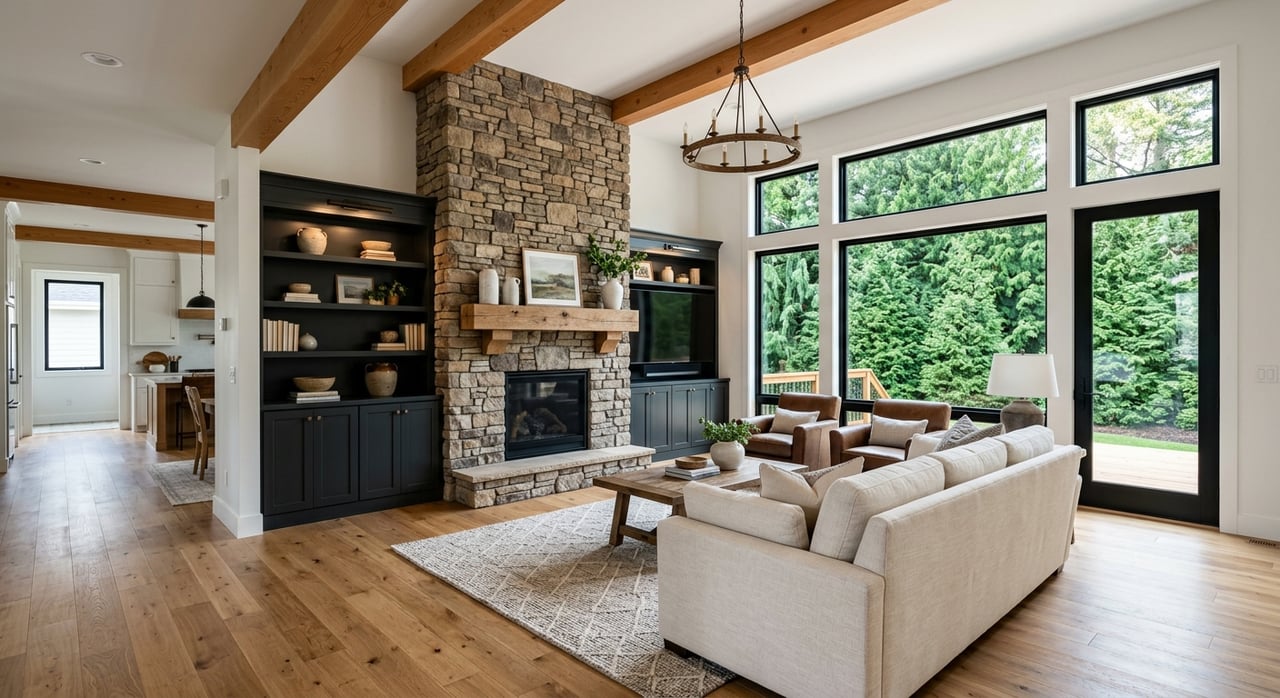
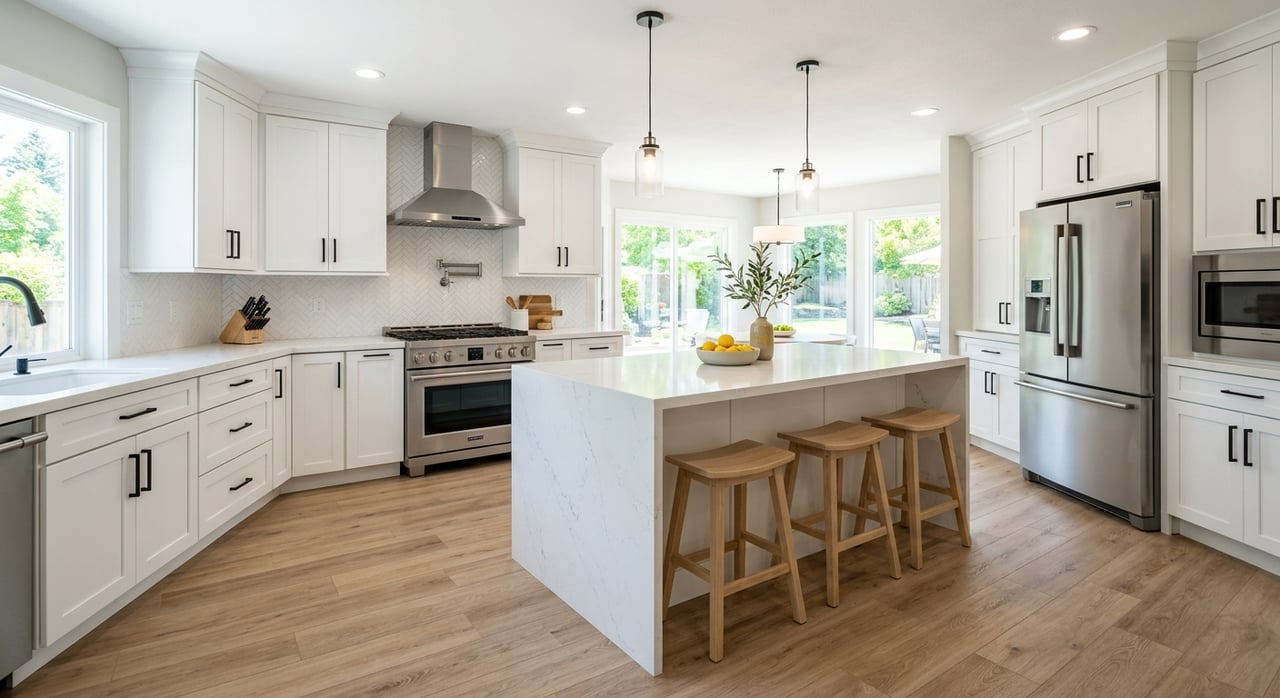
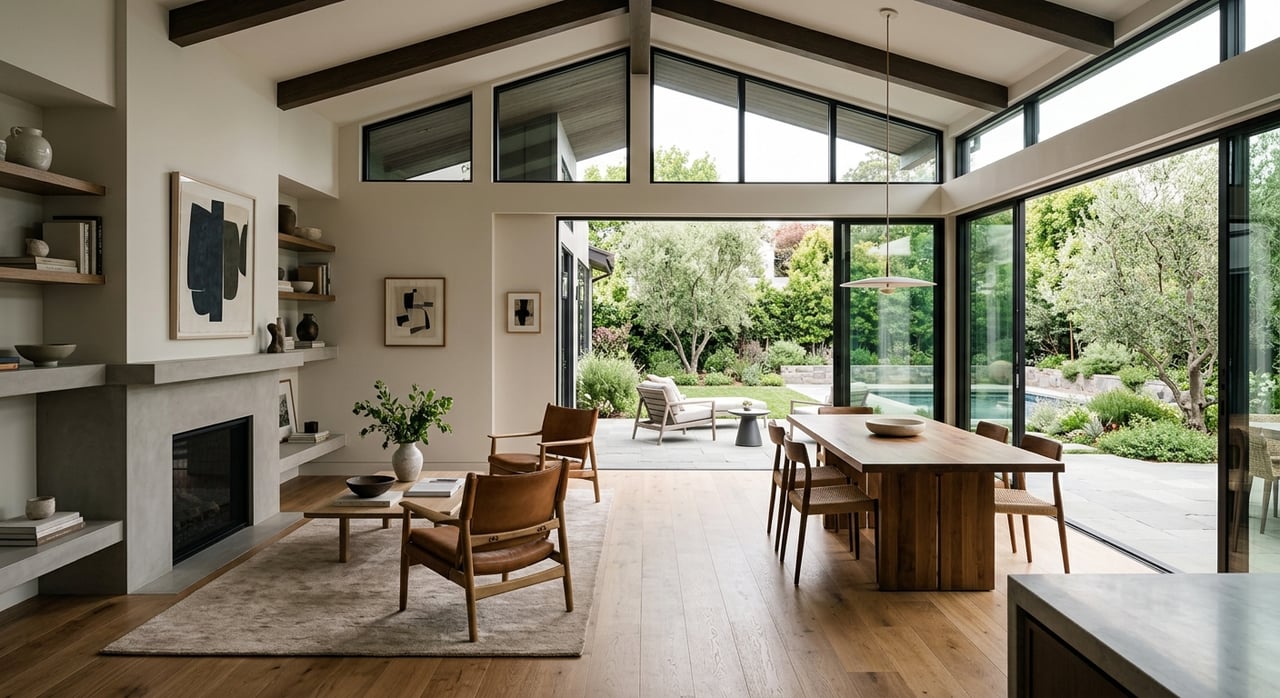
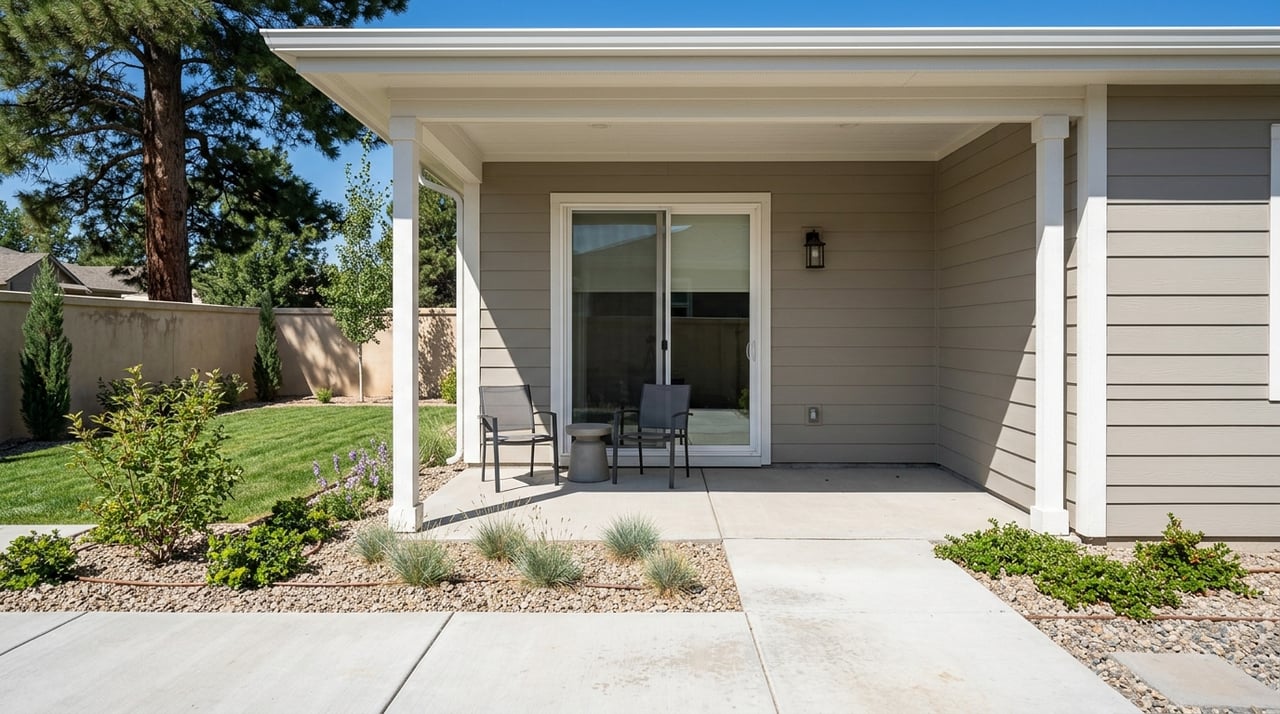
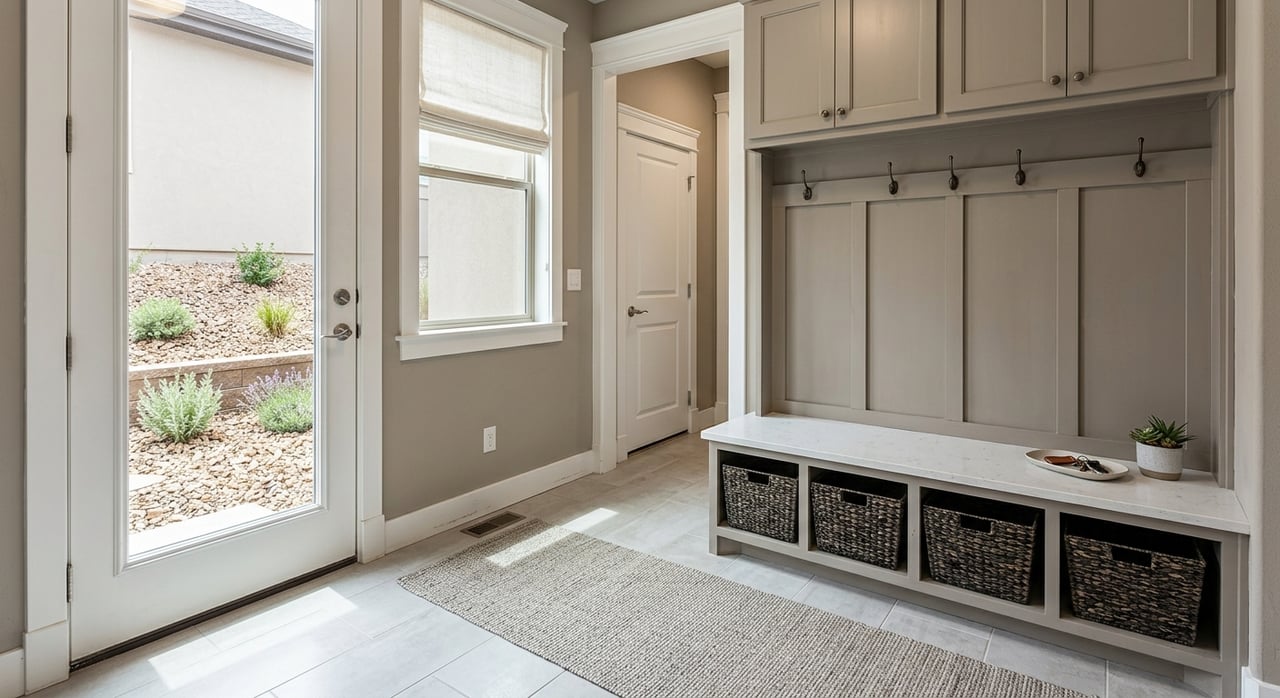
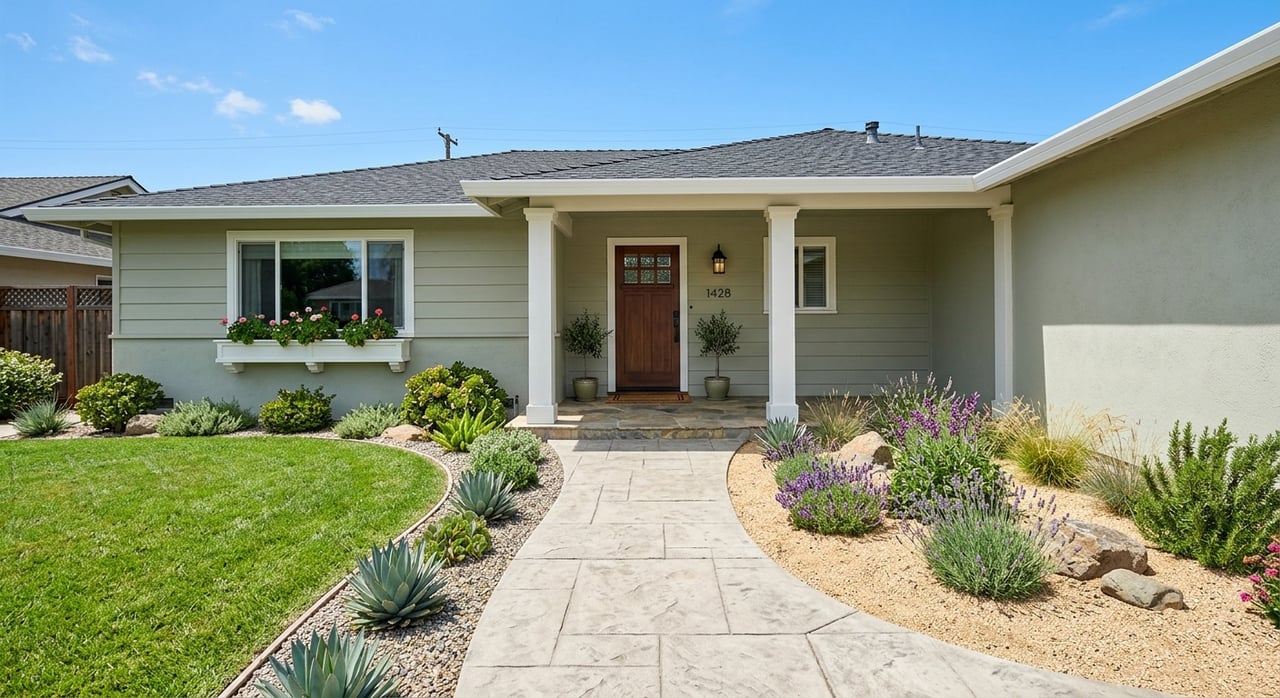
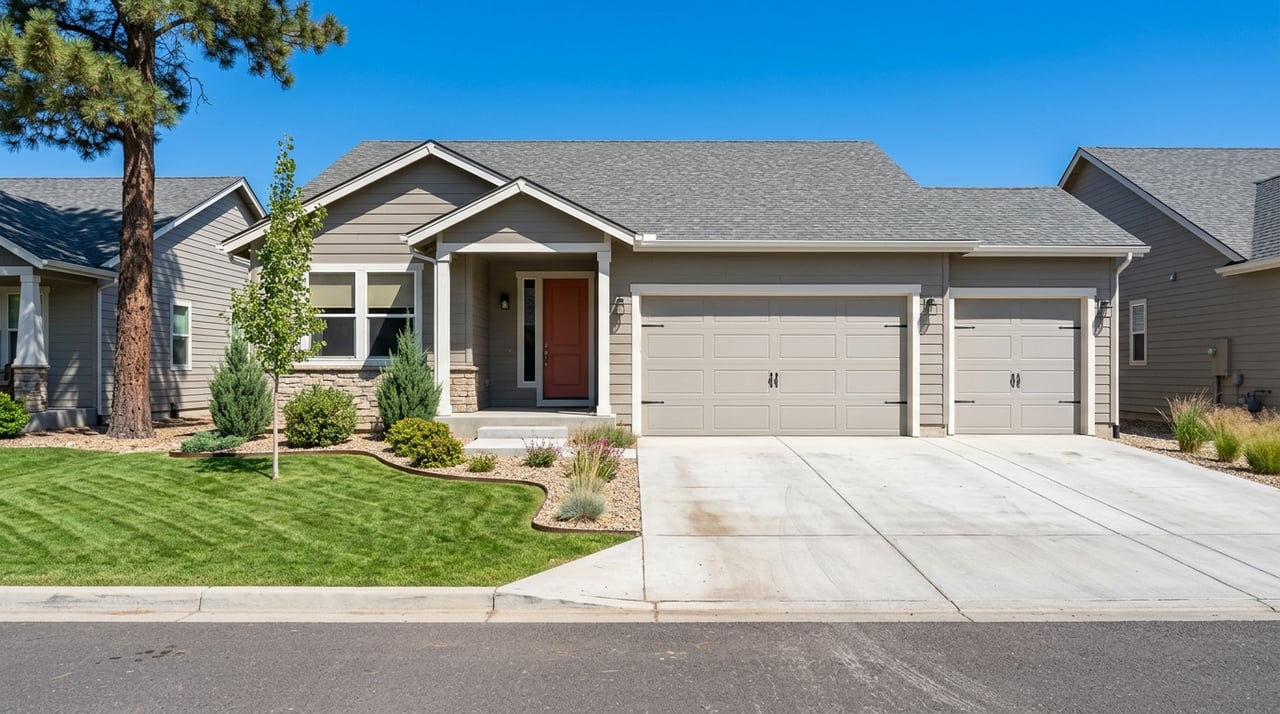
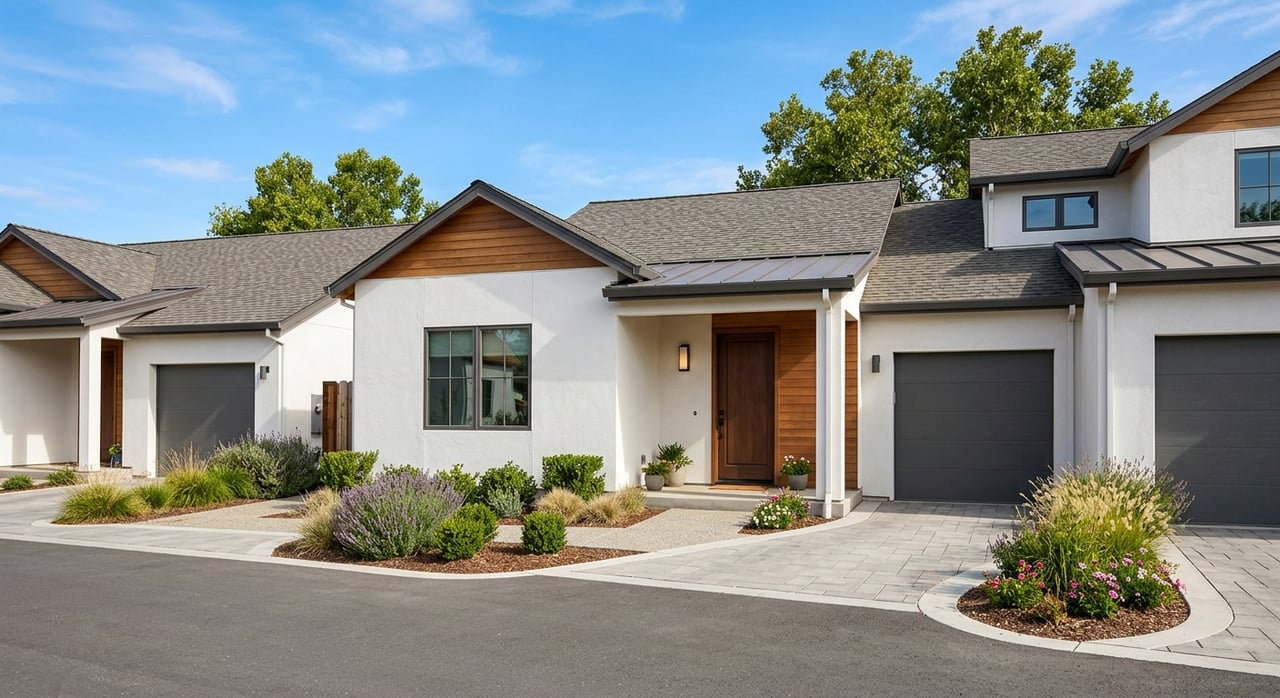
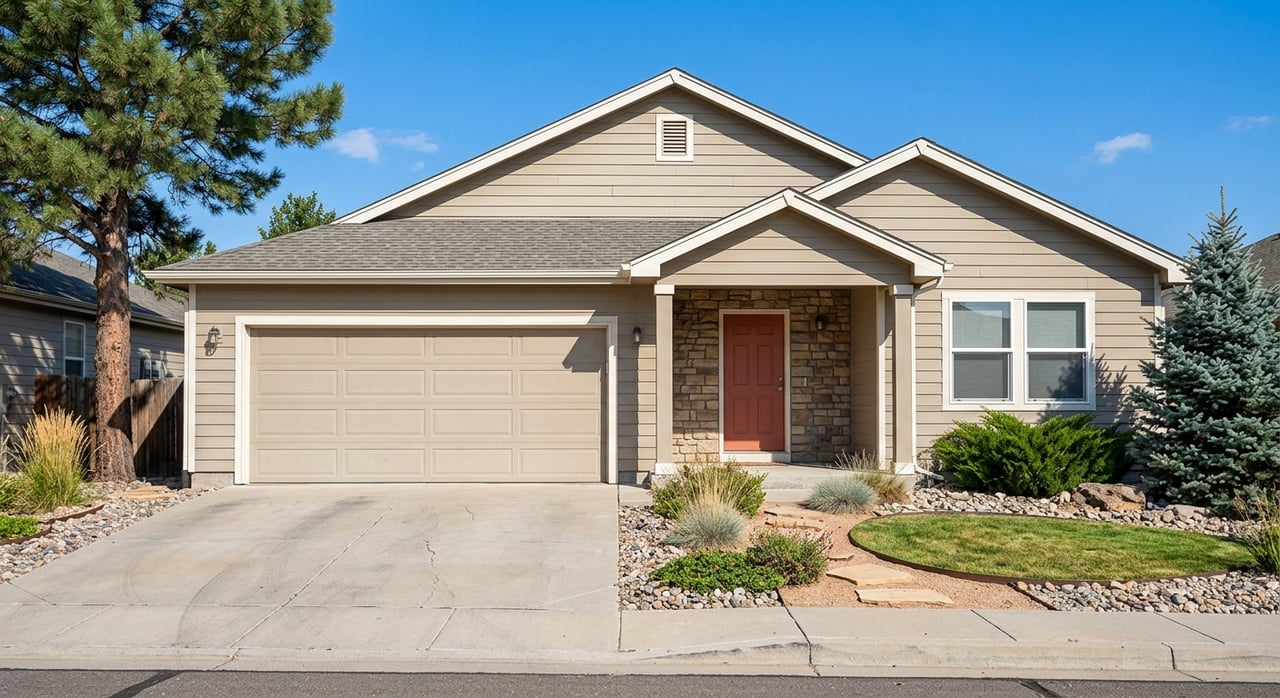
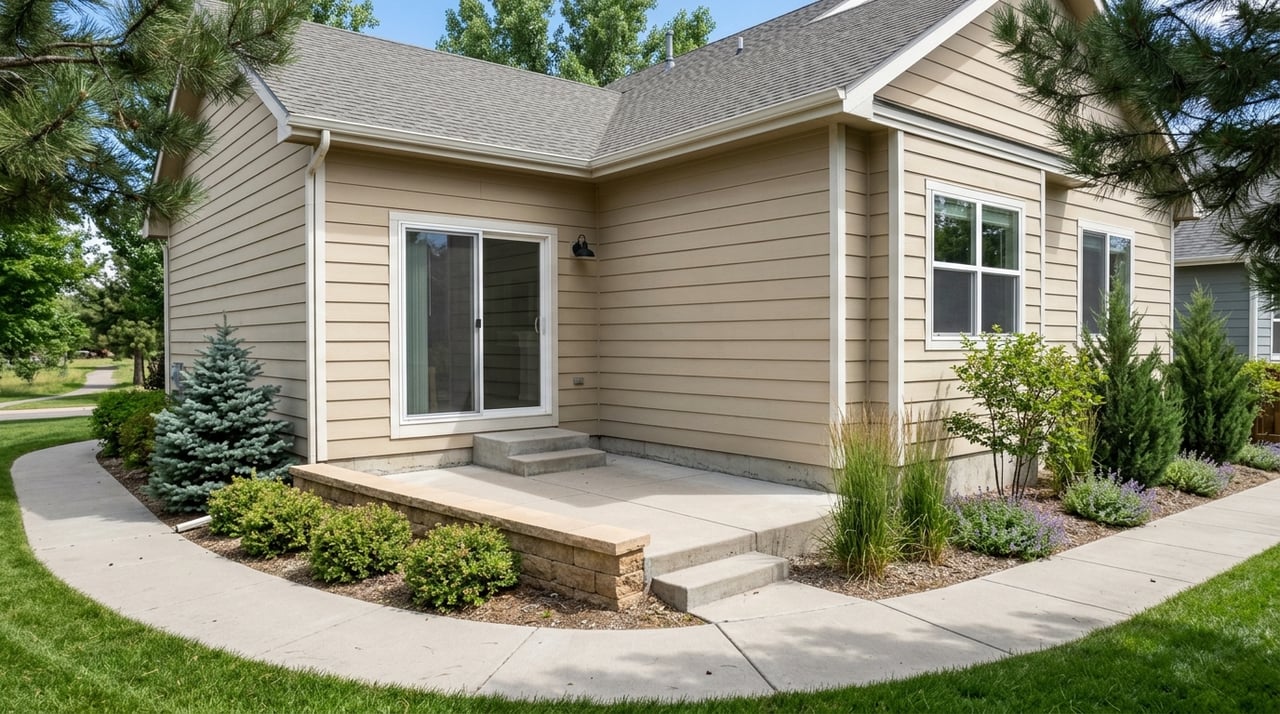
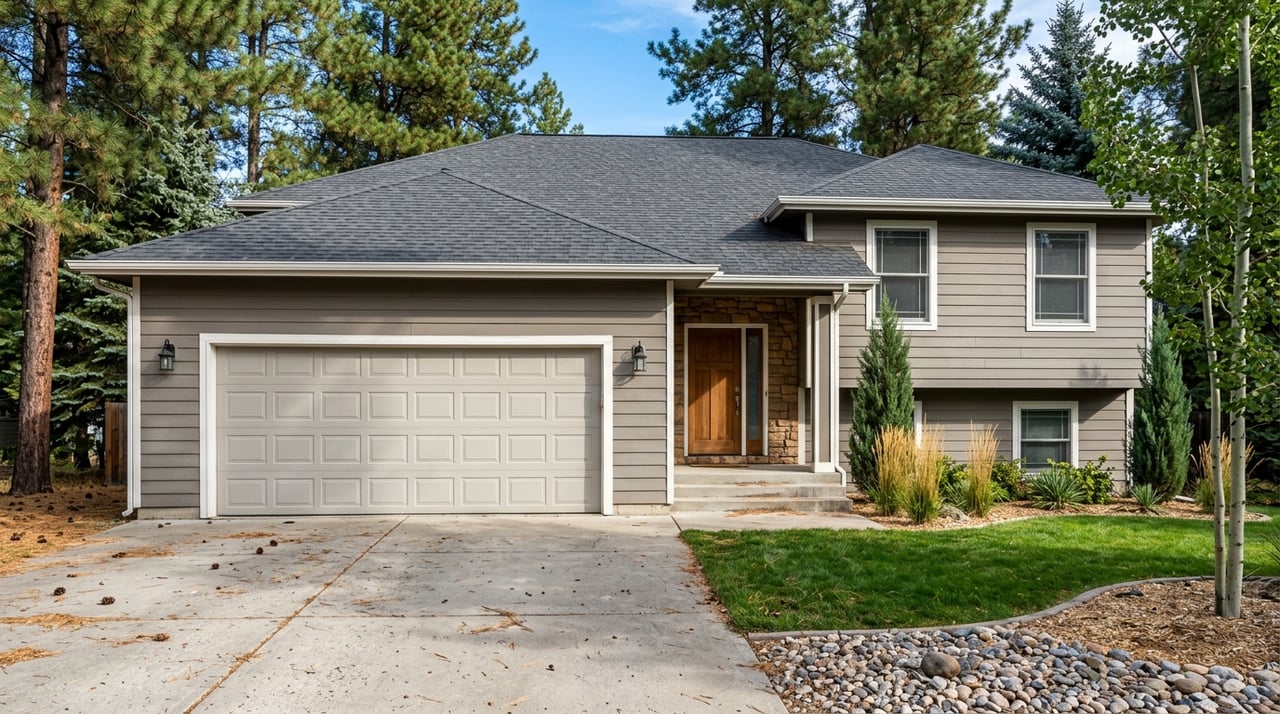
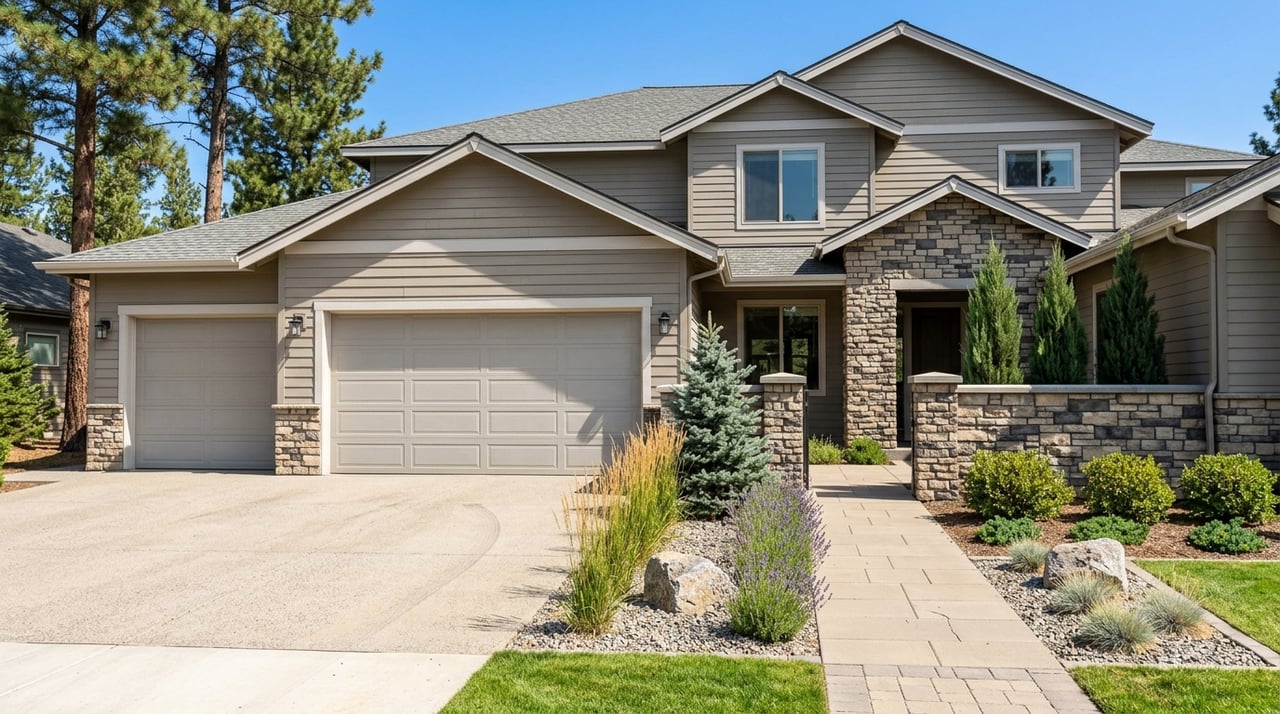
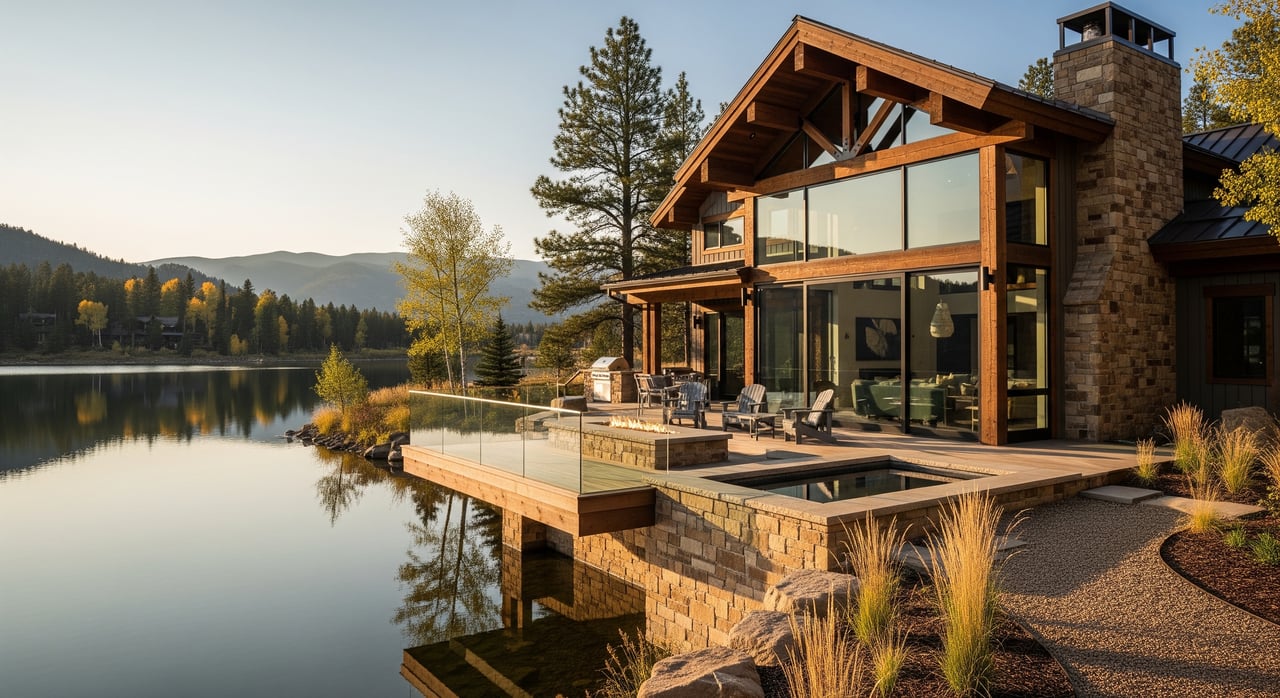
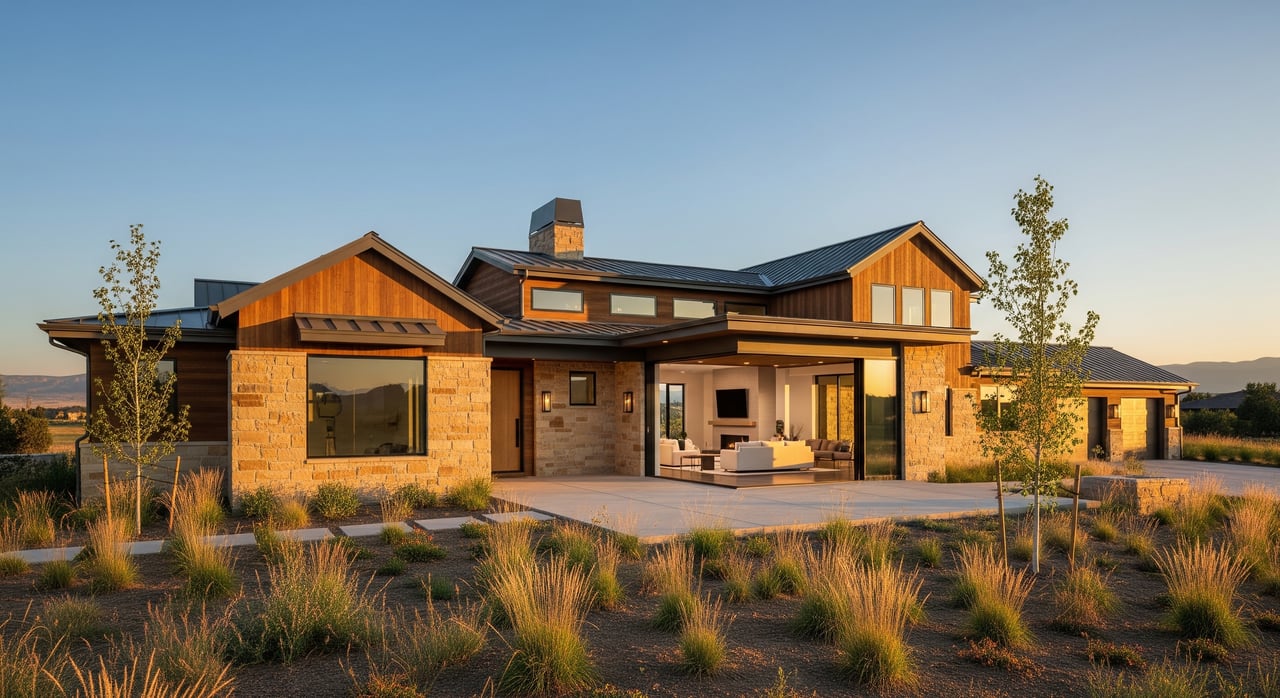
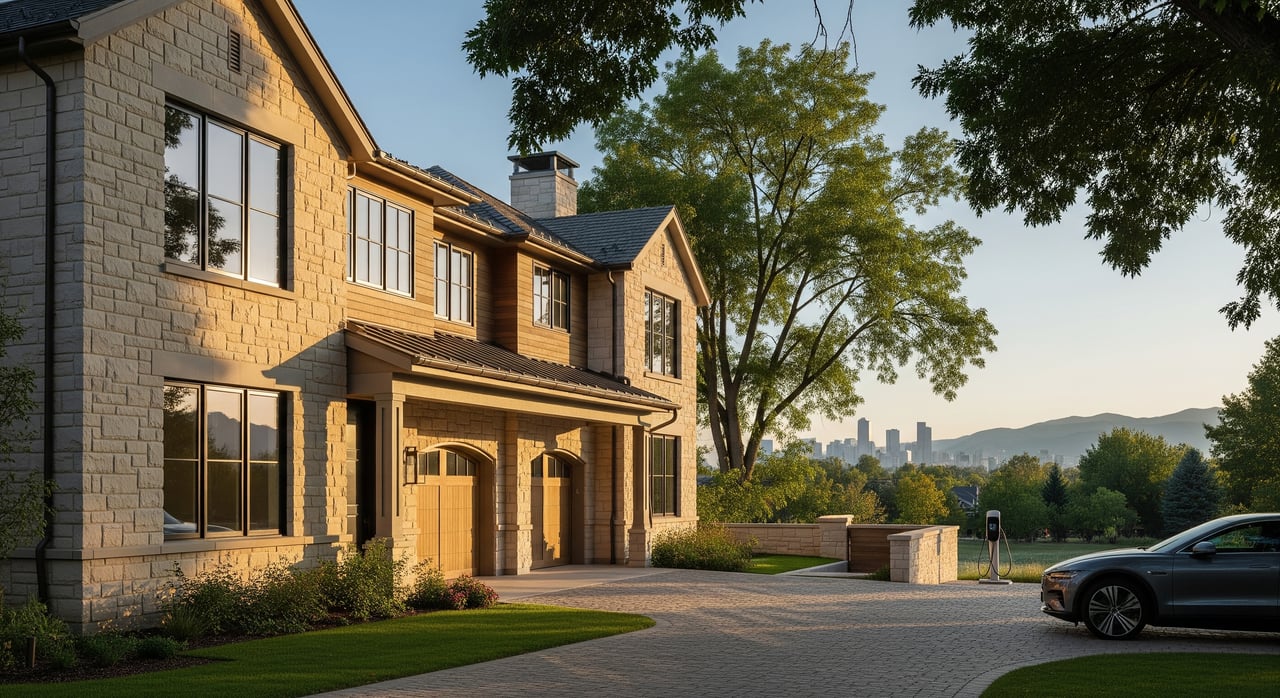
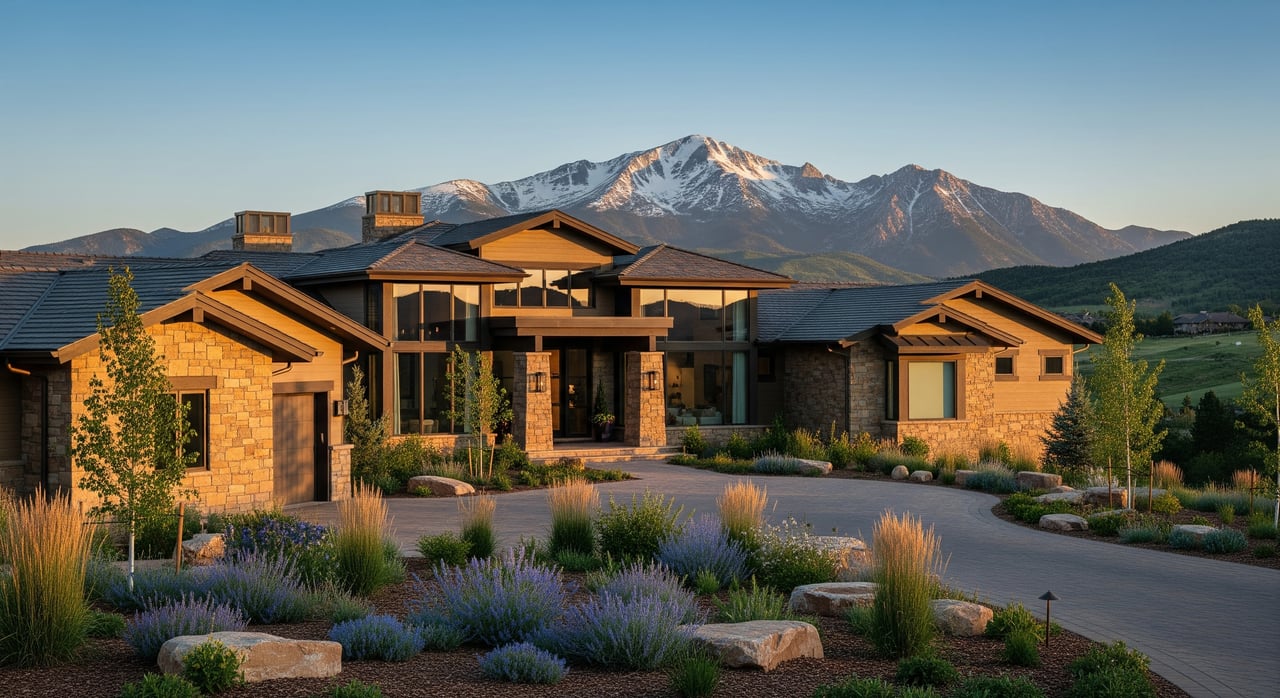
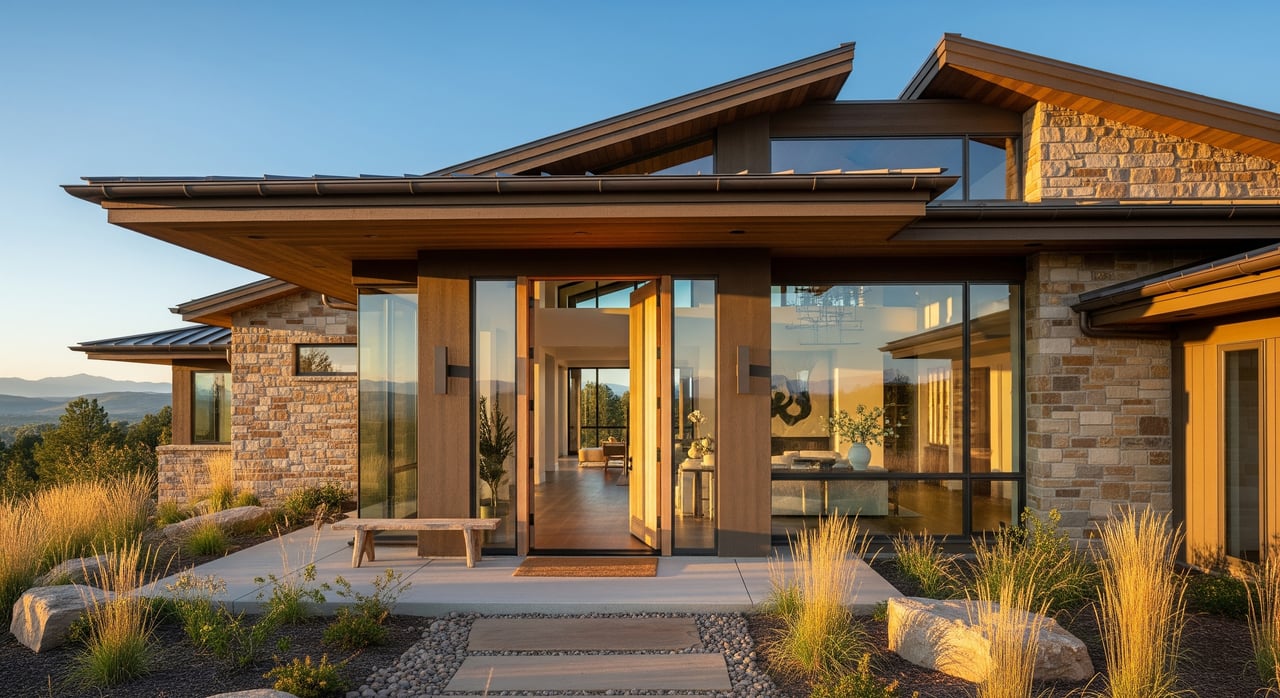
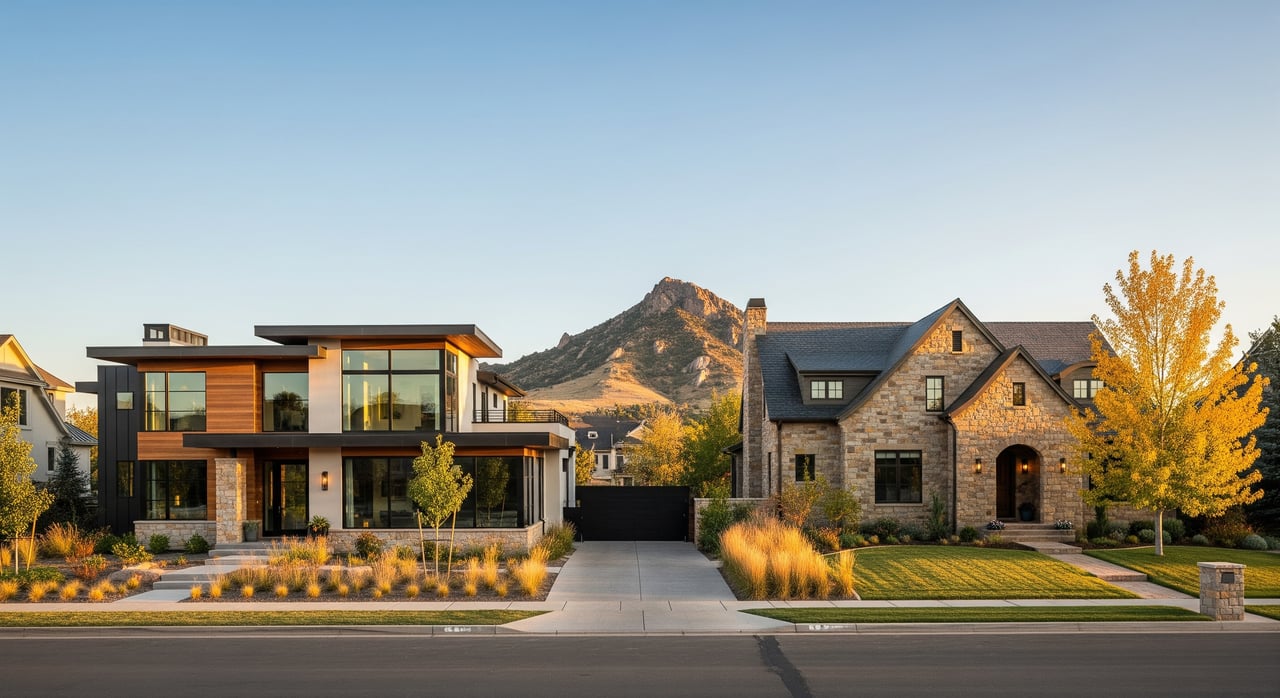
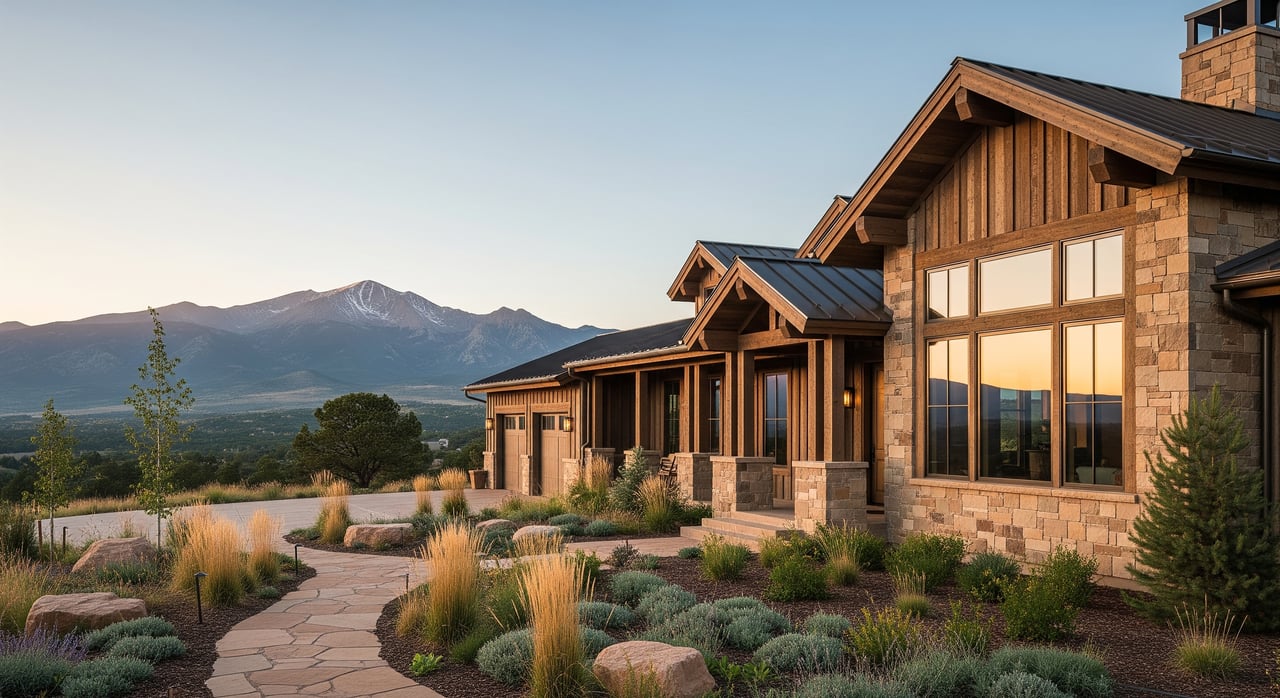
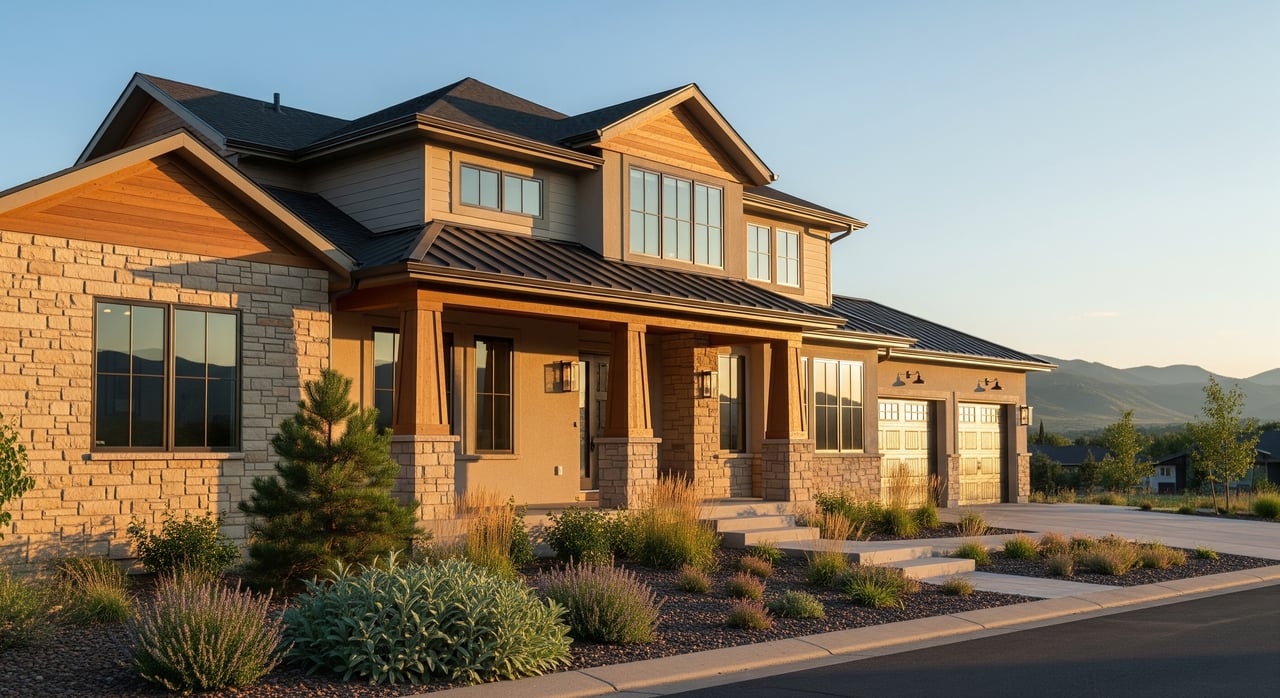
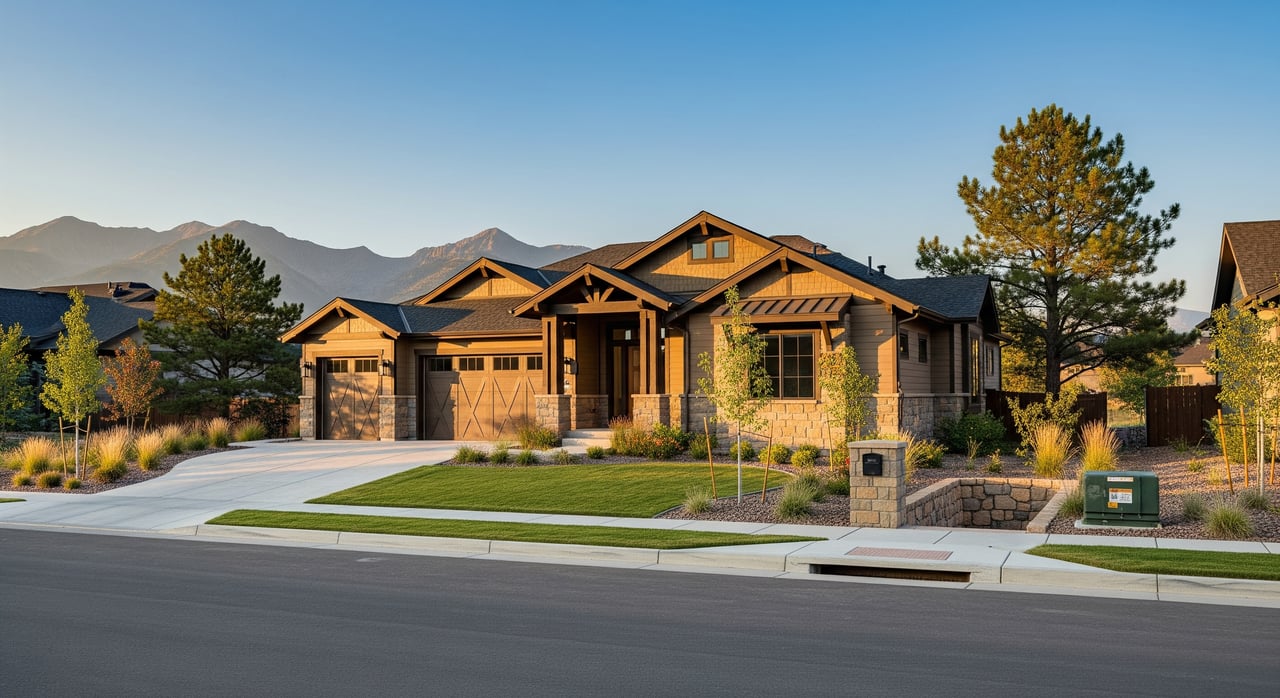
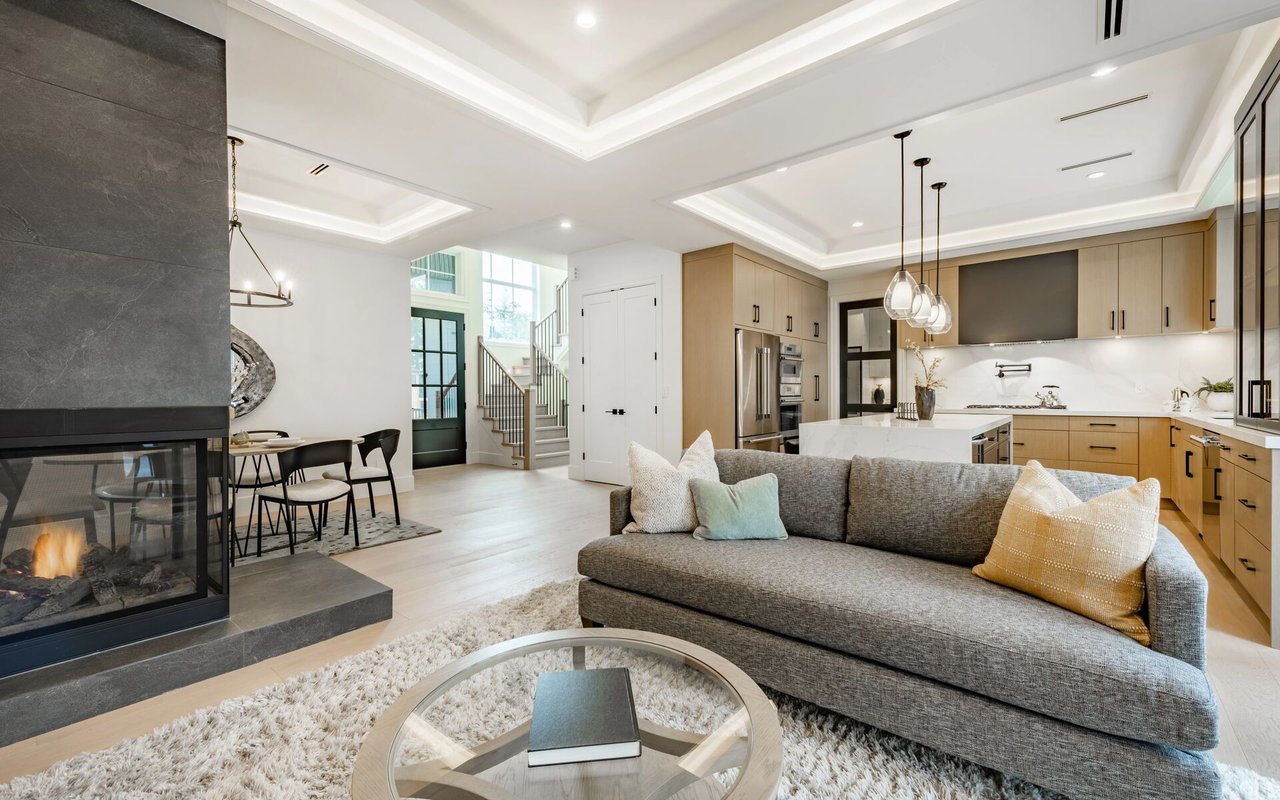
If you picture rows of lookalike homes on compact lots, Larkspur may not match that image. Public land-use records and zoning patterns point more strongly toward detached custom homes, estate-lot properties, and rural acreage homes.
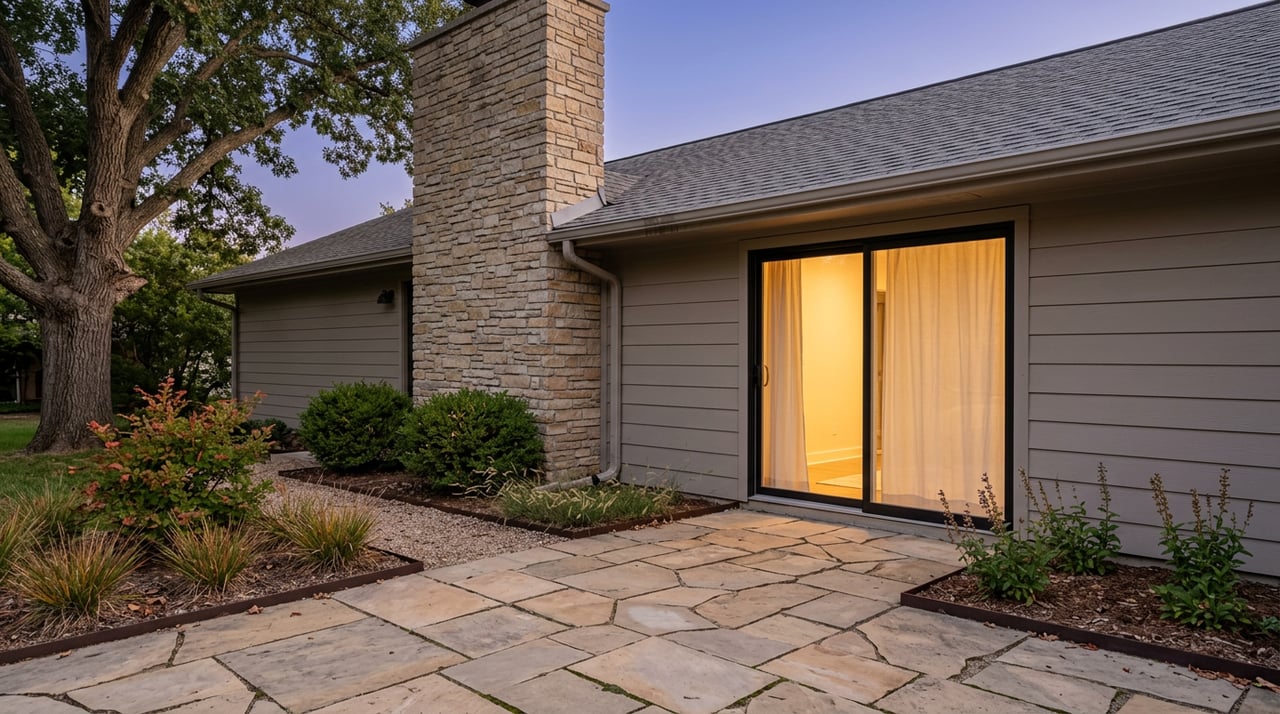
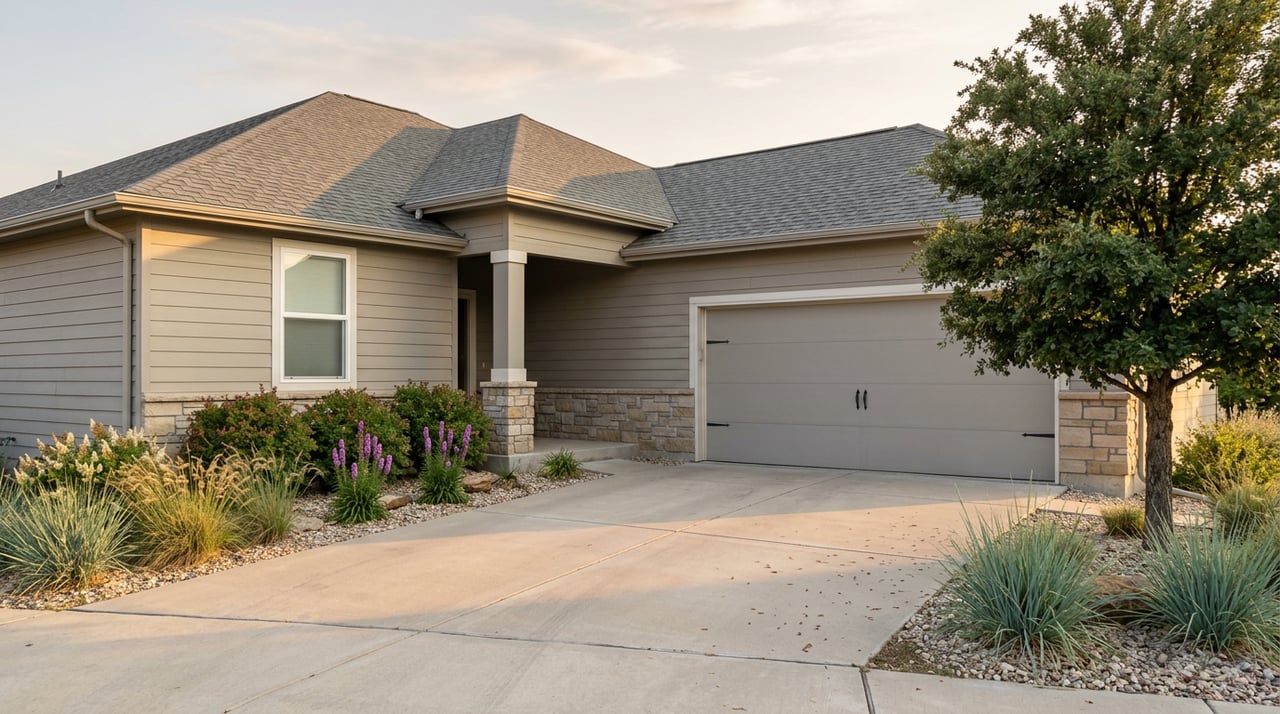
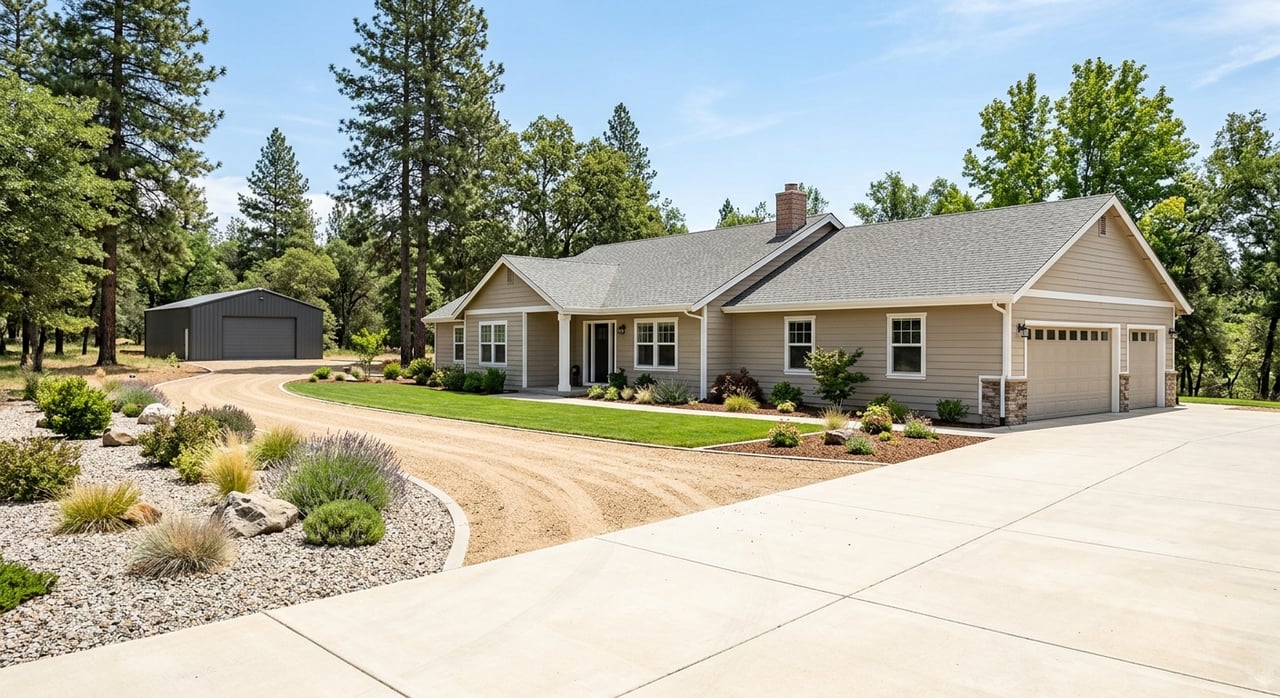
The safest way to describe Larkspur housing is not by one single architectural label. Instead, think of custom detached homes, larger parcels, and properties that often have room for accessory structures.
Larger Lots Shape the Look
Larkspur’s zoning code clearly supports low-density living. The Estate District requires at least 43,560 square feet per lot, the R-1 Low Density Residential District requires 9,000 square feet, and the Agricultural District requires 435,600 square feet with 100-foot setbacks.
Those rules help explain why homes here often feel more spread out. In practical terms, you may find more separation between homes, more natural surroundings, and a stronger sense of privacy than you would in a denser suburban area.
Accessory Buildings Are Part of the Pattern
In the estate and R-1 districts, single-family residences, accessory buildings, and accessory dwelling units are allowed by right. That does not mean every property has them, but it does mean the local land-use pattern supports a more flexible residential setup.
For buyers, that can be appealing if you want extra storage, workshop space, or a property layout that supports a more rural foothills lifestyle. It also reinforces that Larkspur housing is often about land use and breathing room as much as the house itself.
What Daily Life Looks Like
Outdoor Access Is a Big Part of Living Here
In Larkspur, outdoor recreation is not just a weekend bonus. It is woven into everyday life. The town highlights hiking, biking, horseback riding, and motorized trail sports, with access points including Frink Creamery Trailhead and Rampart Range Trail.
The town also points to the 17-mile Colorado Front Range Trail for hiking, walking, and cross-country skiing. Larkspur Community Park adds another local gathering point for scheduled events and private gatherings.
Sandstone Ranch Adds More to Explore
Sandstone Ranch Open Space is one of the area’s major recreation anchors. Douglas County describes 12 miles of trail there and allows hiking, horseback riding, mountain biking, cross-country skiing, snowshoeing, and leashed pets.
For many buyers, that kind of access is a huge part of Larkspur’s appeal. It supports a lifestyle where getting outside can feel easy and routine, not like a special trip you have to plan far in advance.
Community Life Stays Small-Scale
Larkspur’s community rhythm reflects its size. The town site highlights recurring events and activities such as Food Truck Monday, free library hours, council meetings, and planning commission meetings.
That can appeal to buyers who want a place that feels personal and local. Instead of a fast-paced suburban calendar, the vibe here is often more grounded and community-based.
Living Among Pines and Foothills
The Natural Setting Is Central
Douglas County describes mountain vegetation as pine, spruce, and fir, with foothills vegetation transitioning to Gambel oak and other shrubs. That helps explain the wooded feel many people associate with Larkspur and nearby foothills areas.
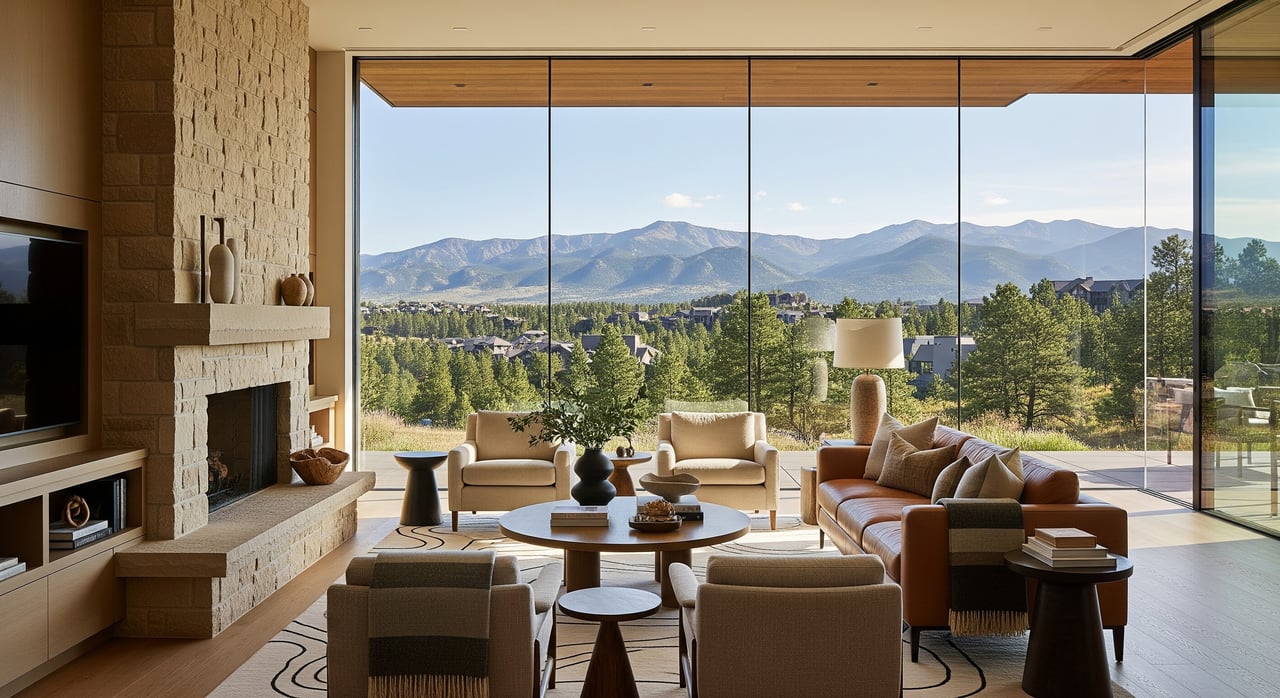
This landscape influences how the town looks and feels every day. The setting can create a strong sense of retreat, especially if you value trees, open views, and a closer connection to nature.
Wildlife Awareness Comes With the Setting
In Douglas County, wildlife is part of everyday life. County information notes species such as mule deer, elk, coyote, mountain lion, fox, hawks, and black bear, and it advises residents not to touch or feed wildlife.
The county also notes that rattlesnakes are commonly found in many open spaces and hiking areas. That does not mean daily life is difficult, but it does mean buyers should be realistic about what living in a wildlife corridor involves.
Practical Tradeoffs to Know
Wildfire Planning Is Part of Homeownership
In Larkspur, wildfire is not just a distant concern. Douglas County identifies wildfire as the county’s number one natural hazard threat, and its 2026 hazard mitigation plan includes a Greater Larkspur Wildfire Mitigation Project focused on reducing hazardous fuels along public and private lands.
The county has also invested in forest-health work at Sandstone Ranch near Pike National Forest. If you are considering a home in Larkspur, it is smart to view wildfire awareness and mitigation as part of normal foothills living.
Smoke and Forest Management Can Affect the Area
Prescribed burns in Spruce Meadows can produce visible smoke in the Larkspur area. That can be surprising if you are used to a more typical suburban environment, but it is part of how land and forest health are managed in this region.
For buyers, this is less about alarm and more about expectations. Living among the pines often means balancing beauty, privacy, and recreation with a more hands-on relationship to the natural environment.
Services Feel More Limited Than in Larger Towns
Larkspur offers local administration, utilities, water and wastewater, art and recreation, public works, and planning, while partnering with the Douglas County Sheriff’s Office and the Larkspur Fire Protection District for emergency services. That setup reflects the town’s small size.
In everyday terms, the service environment may feel slower and less suburban than in larger nearby communities. For some buyers, that is part of the charm. For others, it is an important lifestyle consideration.
Who Larkspur May Fit Best
Larkspur can be a strong fit if you want wooded privacy, trail access, and a small-town foothills feel with Front Range connectivity. Its location along I-25 helps support travel north and south, while the town itself keeps a quieter, more rural identity.
It may be especially appealing if you are looking for a custom home, a larger lot, or a property that feels more tucked into the landscape. Buyers who value convenience above all else may prefer a more traditional suburban setting, but buyers who want space and scenery often see the appeal quickly.
The key is knowing what you are choosing. In Larkspur, the benefits and tradeoffs are closely connected: more privacy can mean fewer nearby services, and more natural beauty can mean more wildlife and wildfire awareness.
A Seasonal Event That Shapes Identity
Larkspur also has a strong seasonal identity through the Colorado Renaissance Festival. The town describes it as a themed summer attraction with costumed performers, multiple stages, and artisans.
That gives Larkspur a unique public profile beyond its residential character. Even if your day-to-day life stays quiet and home-centered, this seasonal event adds a recognizable local tradition to the town’s overall identity.
If you are exploring homes in Larkspur and want help comparing lot sizes, property styles, and lifestyle fit, Brent & Jen Patterson can help you find the right foothills property with clear, local guidance.
FAQs
What types of homes are common in Larkspur, Colorado?
- Larkspur is best known for detached custom homes, estate-lot properties, and rural acreage homes rather than dense suburban tract housing.
What is daily life like in Larkspur, Colorado?
- Daily life in Larkspur often centers on a small-town foothills setting, with outdoor access, local events, and a quieter pace than larger suburban communities.
Are lots generally larger in Larkspur, Colorado?
- Yes, Larkspur zoning supports low-density living, including estate lots of at least 43,560 square feet and agricultural lots of 435,600 square feet.
What outdoor activities are available near Larkspur, Colorado?
- Nearby activities include hiking, biking, horseback riding, motorized trail sports, cross-country skiing, and snowshoeing, with options like Frink Creamery Trailhead, Rampart Range Trail, the Colorado Front Range Trail, and Sandstone Ranch Open Space.
What should buyers know about wildlife in Larkspur, Colorado?
- Buyers should expect a wildlife-rich setting in Douglas County, where animals such as mule deer, elk, coyote, fox, hawks, black bear, and mountain lion may be part of the broader landscape, and rattlesnakes are commonly found in many open spaces and hiking areas.
What should buyers know about wildfire risk in Larkspur, Colorado?
- Wildfire planning is an important part of living in Larkspur because Douglas County identifies wildfire as its top natural hazard threat and includes the area in active mitigation efforts.