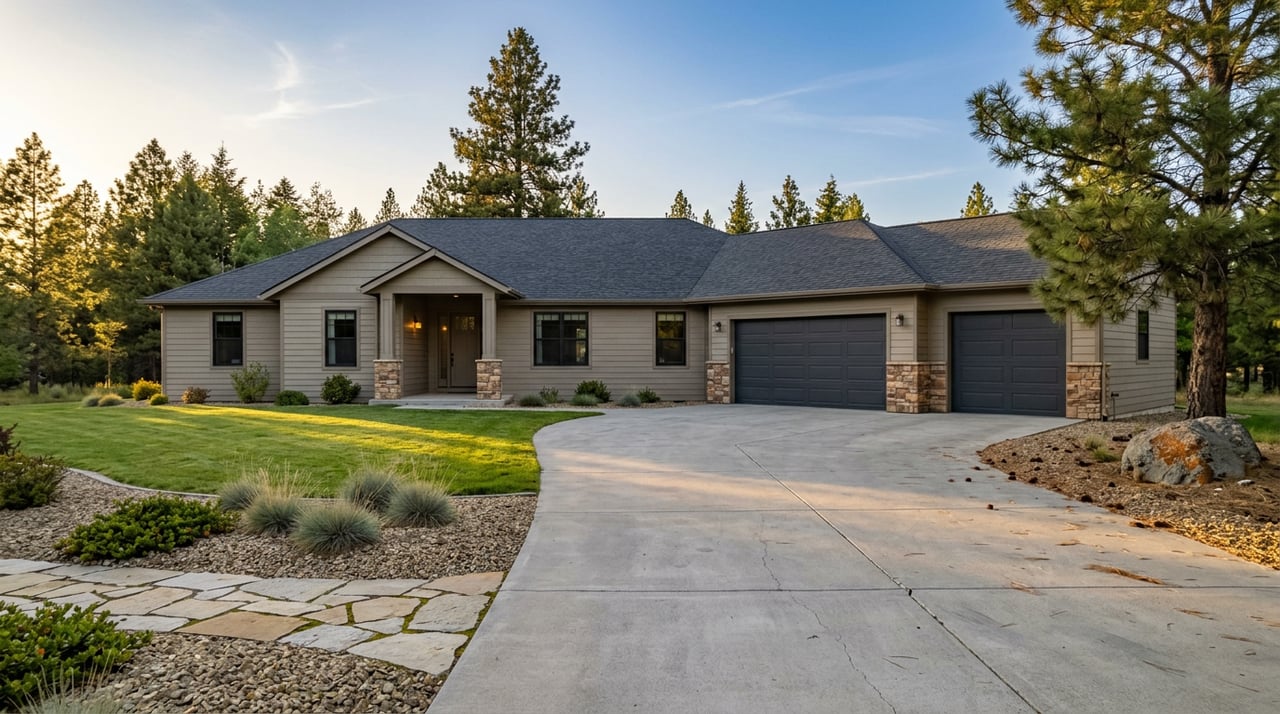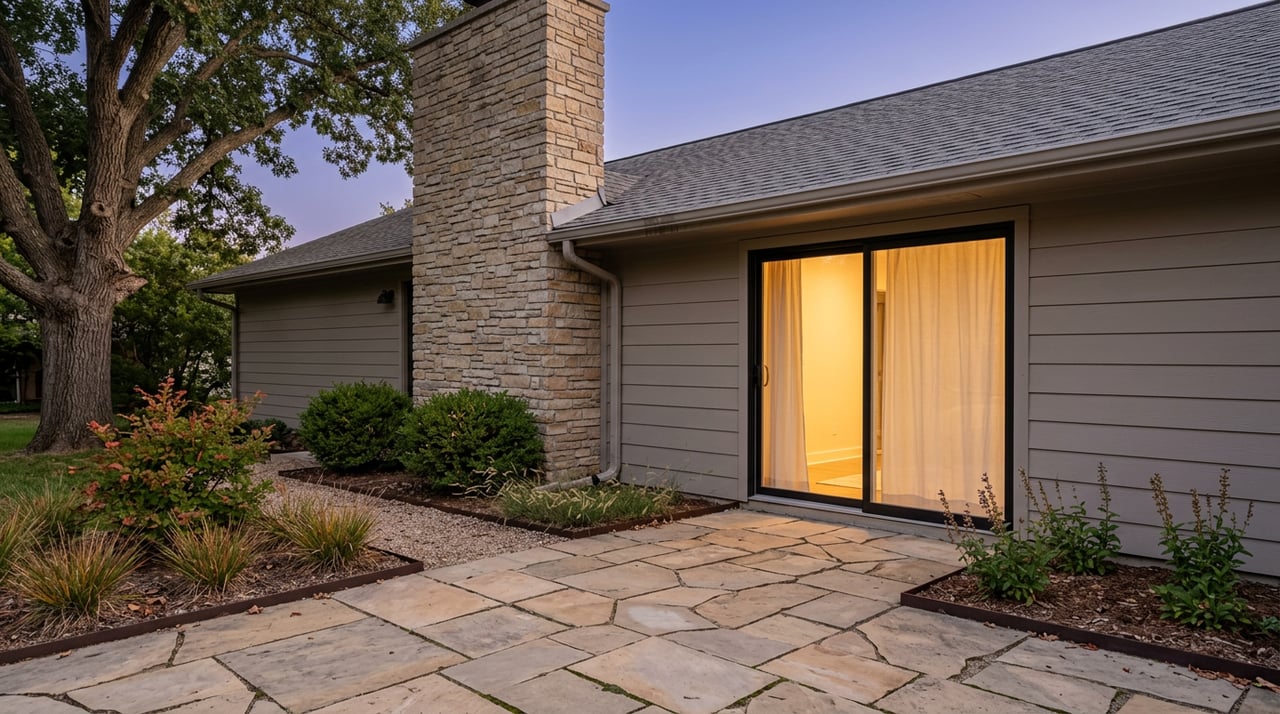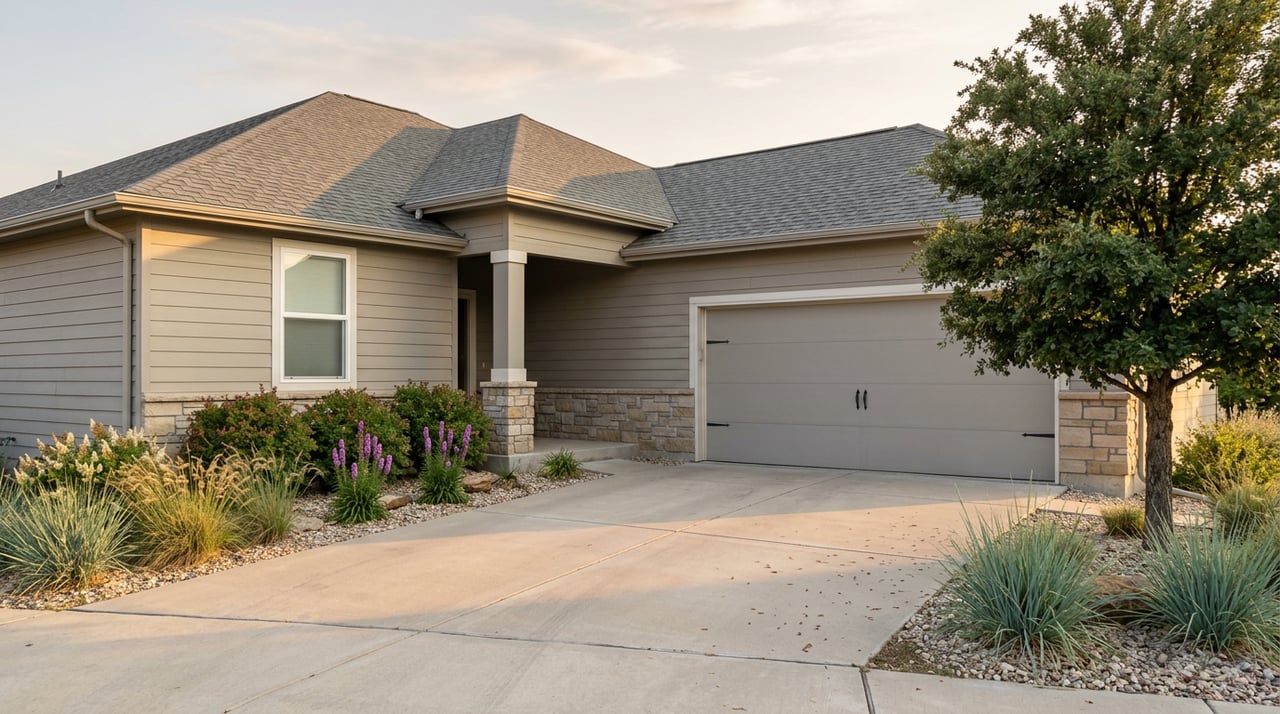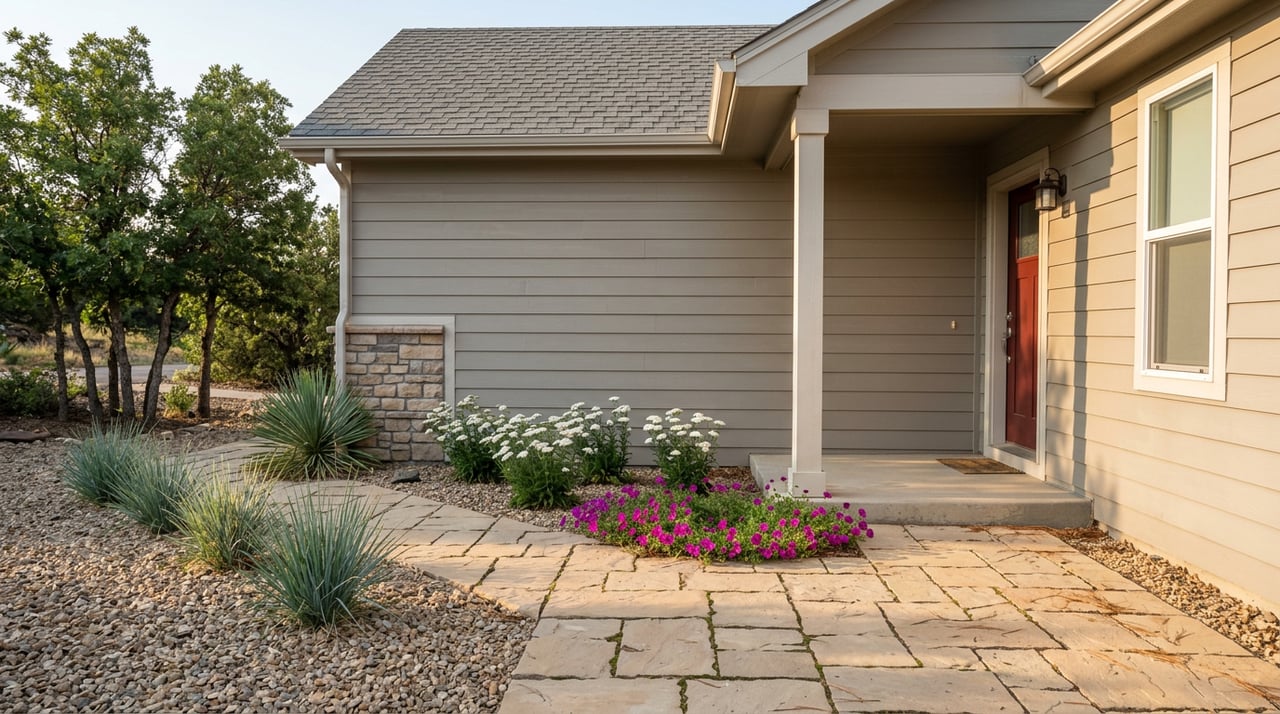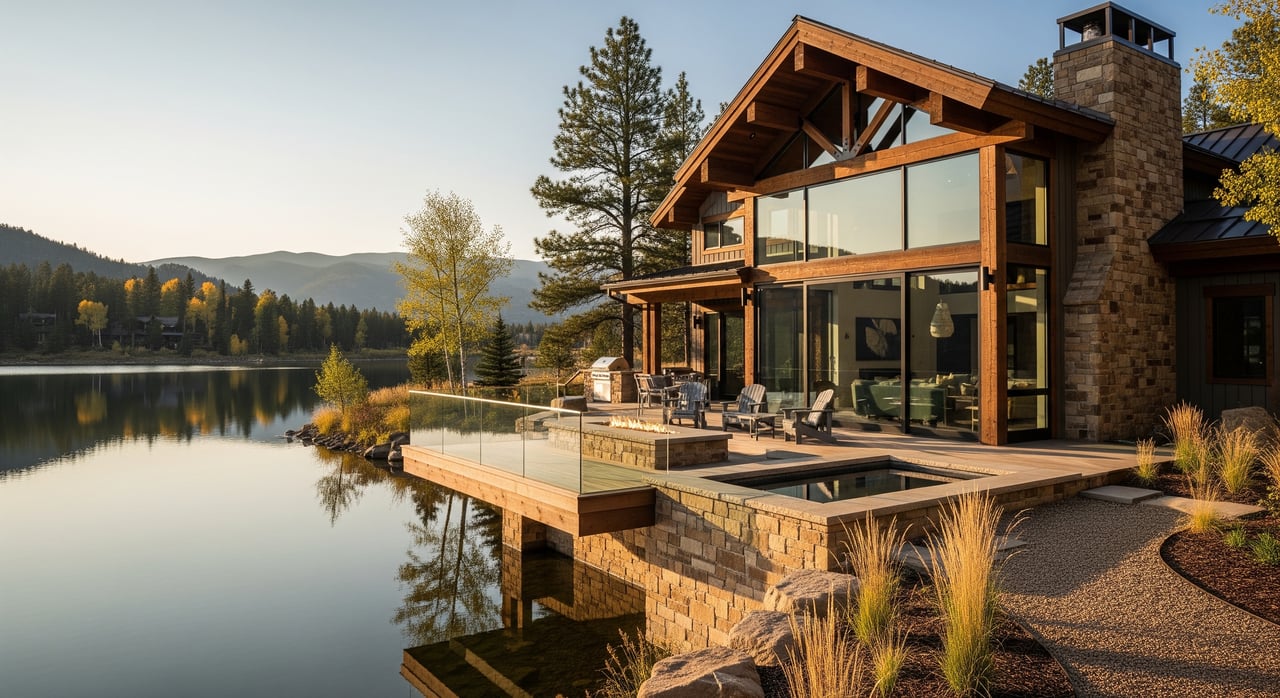
Dreaming of a cozy cabin with trail access and lake views, but not sure how mountain living actually works day to day? You’re not alone. Palmer Lake’s quiet, foothills setting draws buyers who want nature, character, and a small-town feel without being far from Colorado Springs or Denver. In this guide, you’ll learn what to look for in homes and lots, how to plan for utilities and access, and which inspections matter most so you can buy with confidence. Let’s dive in.
Why Palmer Lake works for you
Location and lifestyle snapshot
Palmer Lake sits in the Tri-Lakes area north of Colorado Springs. You get a small-town core with restaurants and shops, lakeside trails, and quick access to foothill hiking and biking. It offers a quieter, more wooded vibe than many nearby communities.
Elevation is higher than Colorado Springs, so you’ll enjoy cooler summers and snowy winters. Many buyers choose Palmer Lake for the blend of outdoor access and a walkable downtown that still feels tucked away. If you value community events, trail time, and a relaxed pace, it fits well.
Commute and access
From Palmer Lake, you can typically reach northern Colorado Springs in about 20 to 30 minutes. Denver commutes range from roughly 45 to 75 minutes depending on traffic and your destination. I‑25 and Colorado Highway 105 are your primary routes, so plan for variable winter weather and peak-hour congestion.
If you need reliable year-round access, pay close attention to the driveway and local road grades when you tour homes. Steeper, shaded stretches can ice up in winter, which affects daily life and emergency access.
How it compares nearby
- Monument: More amenities and larger subdivisions. Palmer Lake is smaller and generally quieter with a distinct lake-and-trails feel.
- Woodmoor and nearby neighborhoods: Often have HOAs and larger lots. Palmer Lake mixes in-town smaller lots, older cabins, and some larger wooded parcels without widespread HOA oversight.
- Black Forest: More open pine and grassland with lower elevation feel. Palmer Lake is more foothills with rock outcrops and a traditional small-town center.
Home types you’ll see
Common mountain features
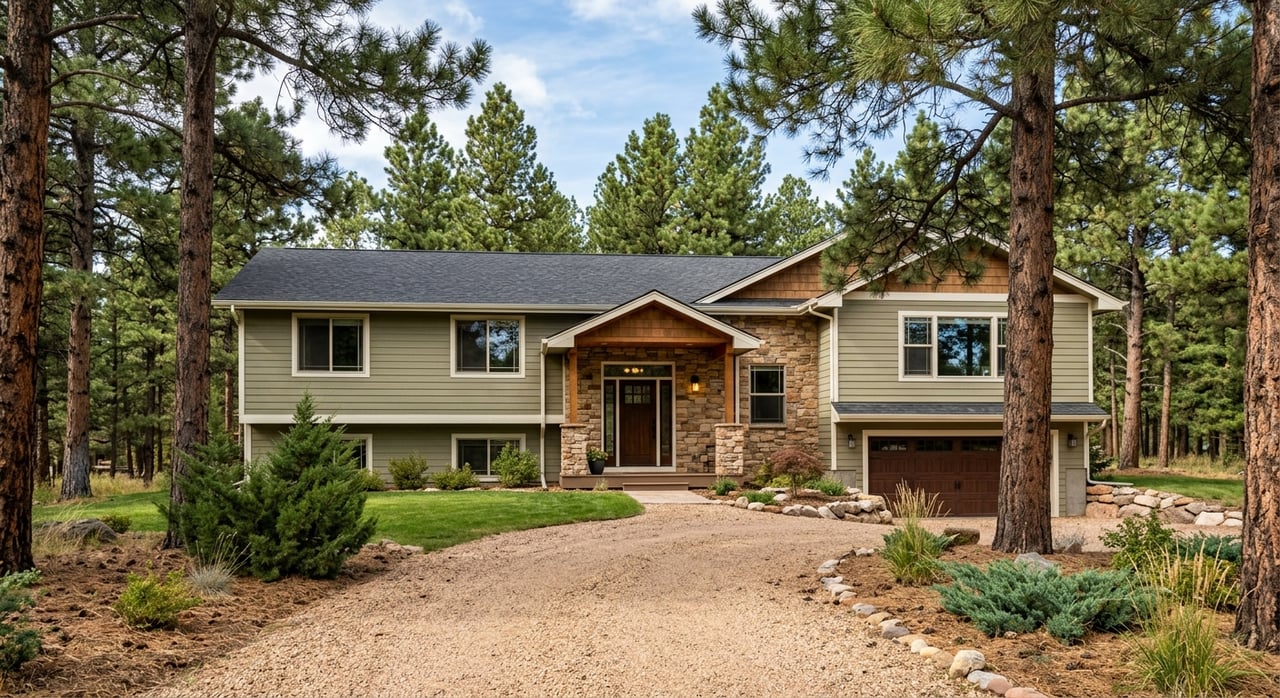
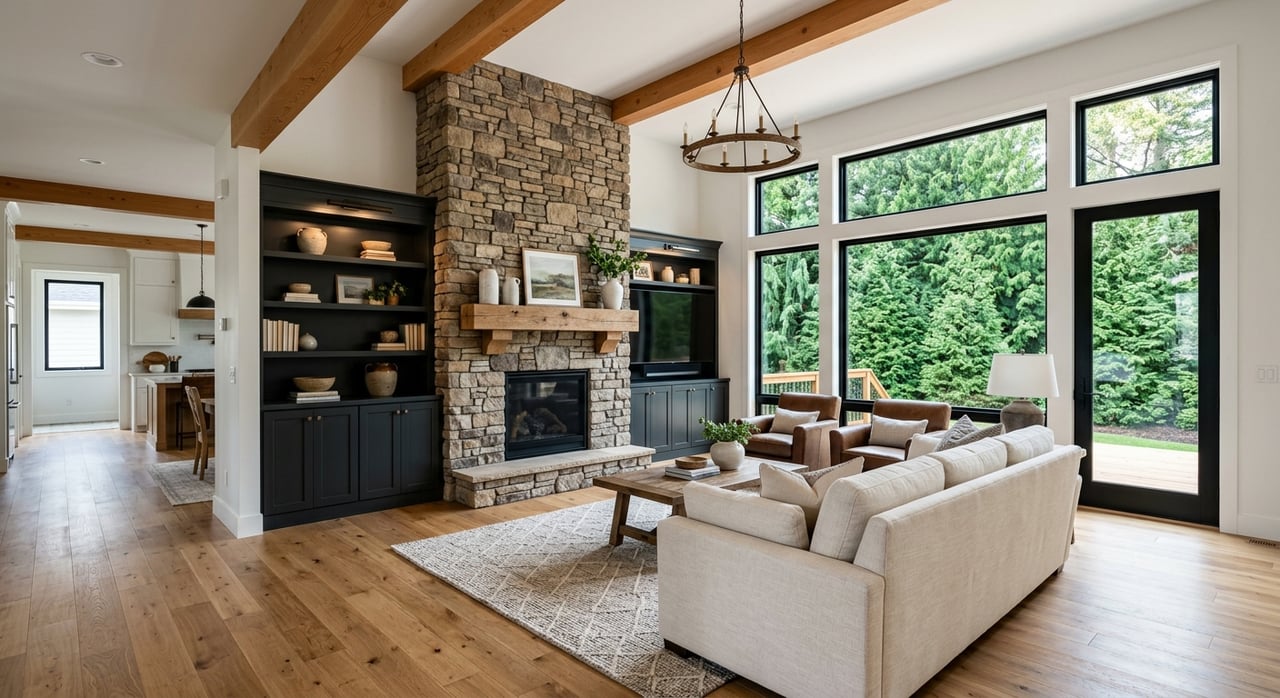
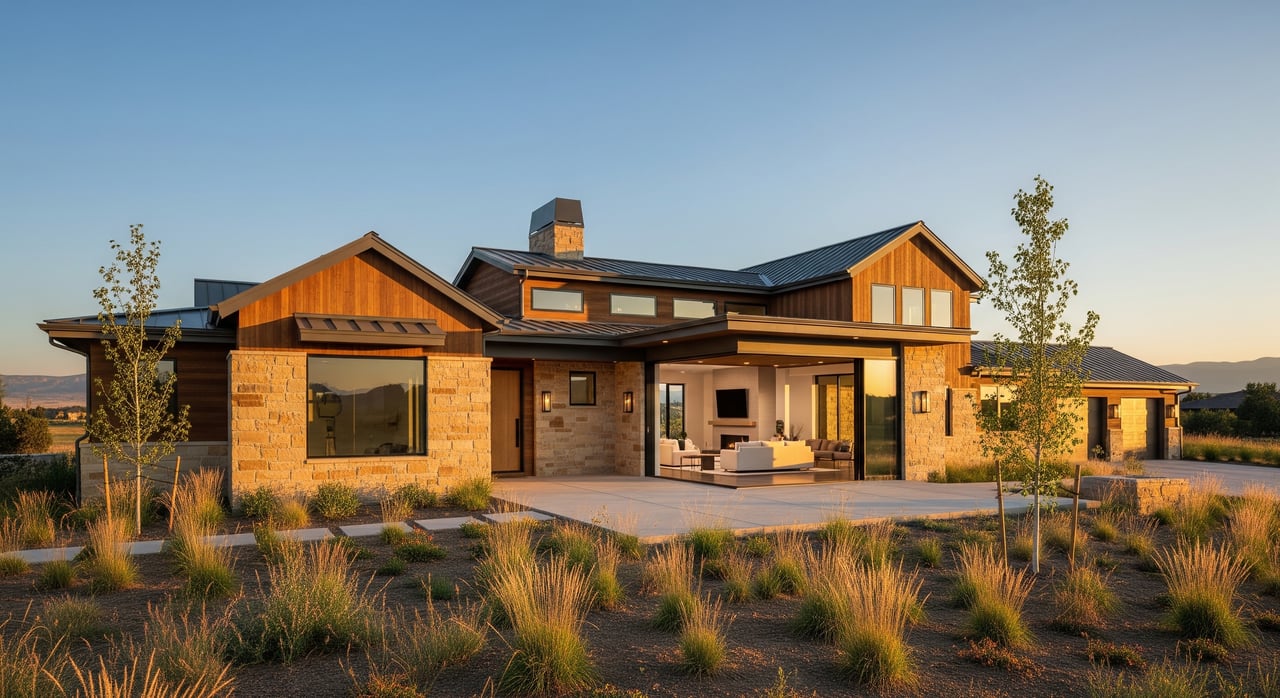
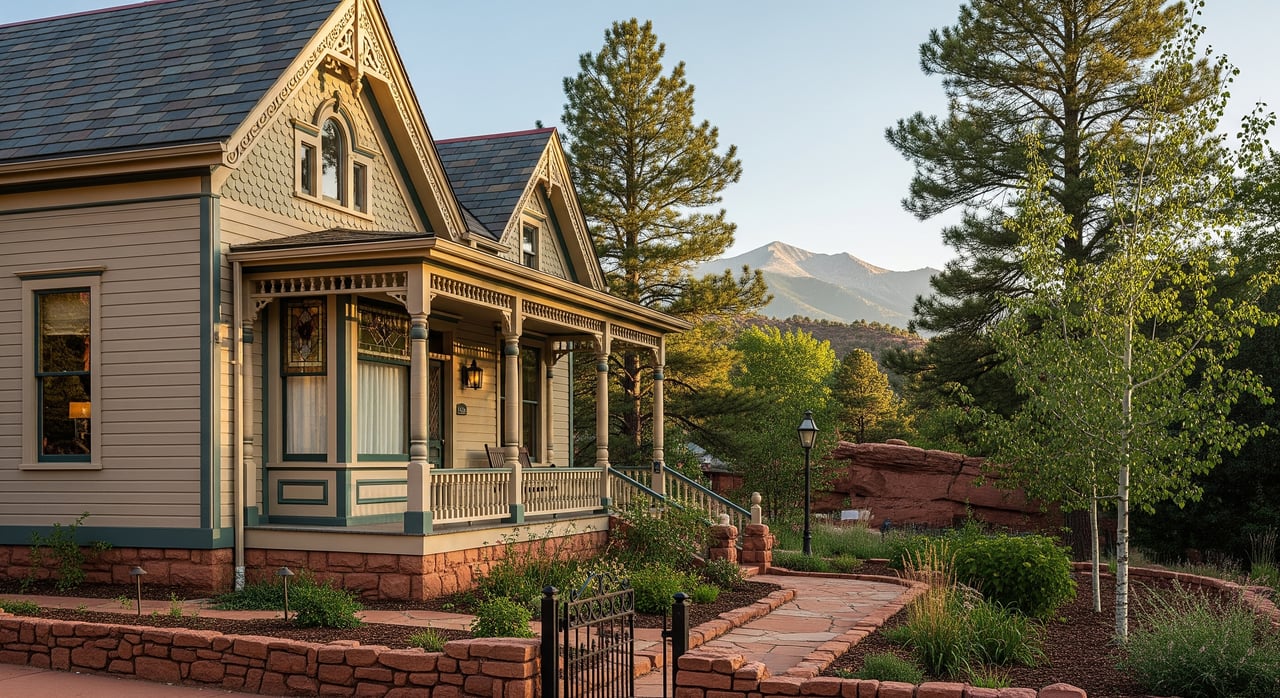
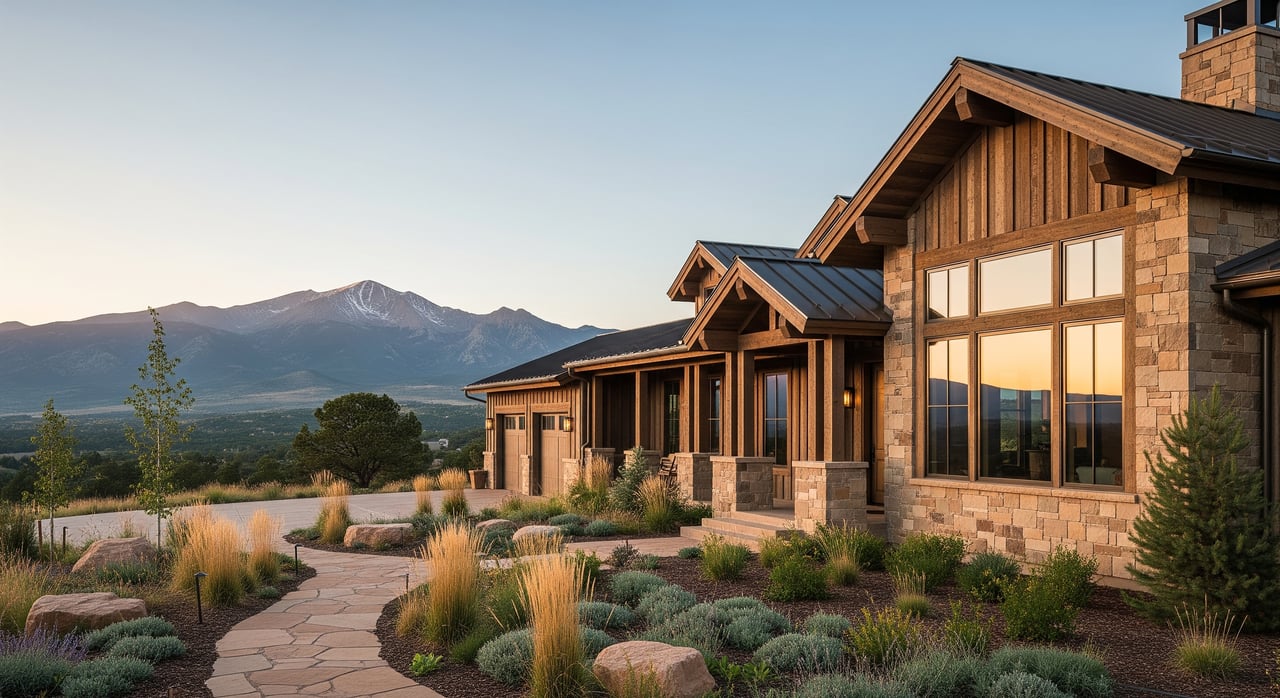
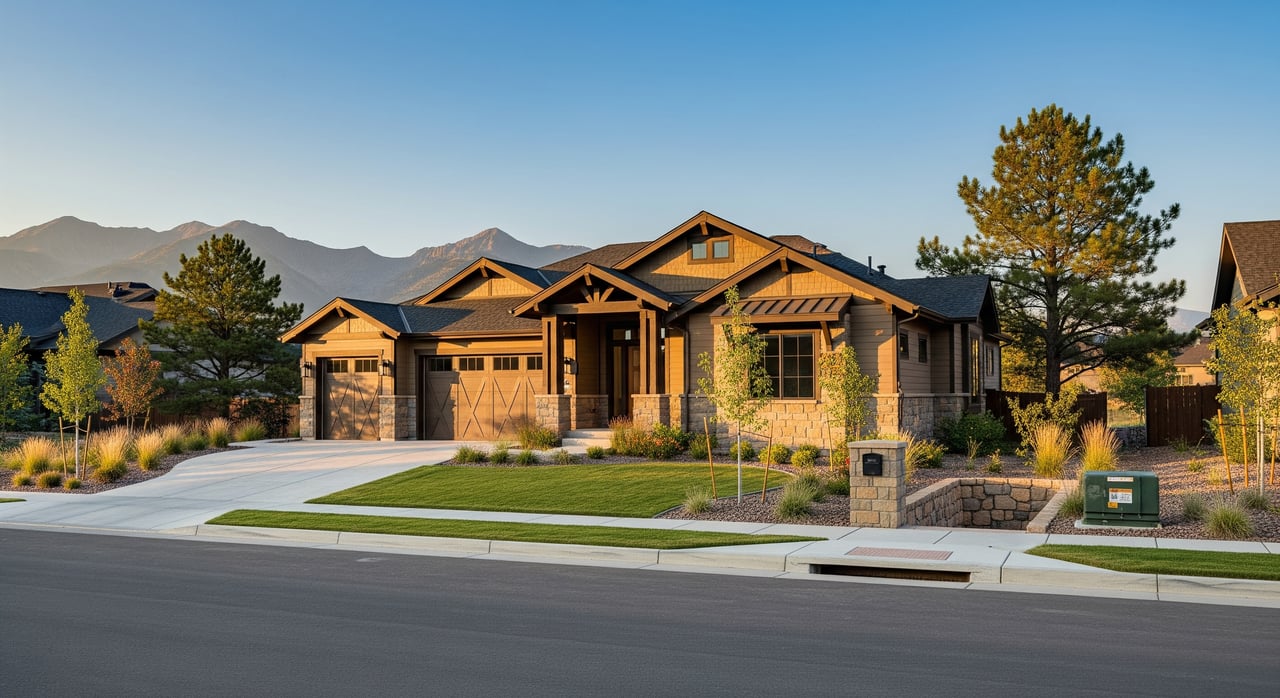
You’ll find classic cabins, log or wood-sided homes, ranch layouts, and updated contemporary mountain styles. Many older cabins began as seasonal getaways and were improved over time. Look for steep-pitch roofs for snow shedding, generous eaves, and decks that take advantage of views.
Wood stoves and fireplaces are common as supplemental heat. Older homes can have limited insulation or smaller electrical panels. Always verify high-elevation performance for HVAC and check whether improvements were permitted and inspected.
Lots and site conditions
- In-town small lots: Easy walkability to restaurants and the lake. Expansion potential may be limited by setbacks and topography.
- Forested/wooded lots: Private and scenic but come with wildfire and tree maintenance considerations.
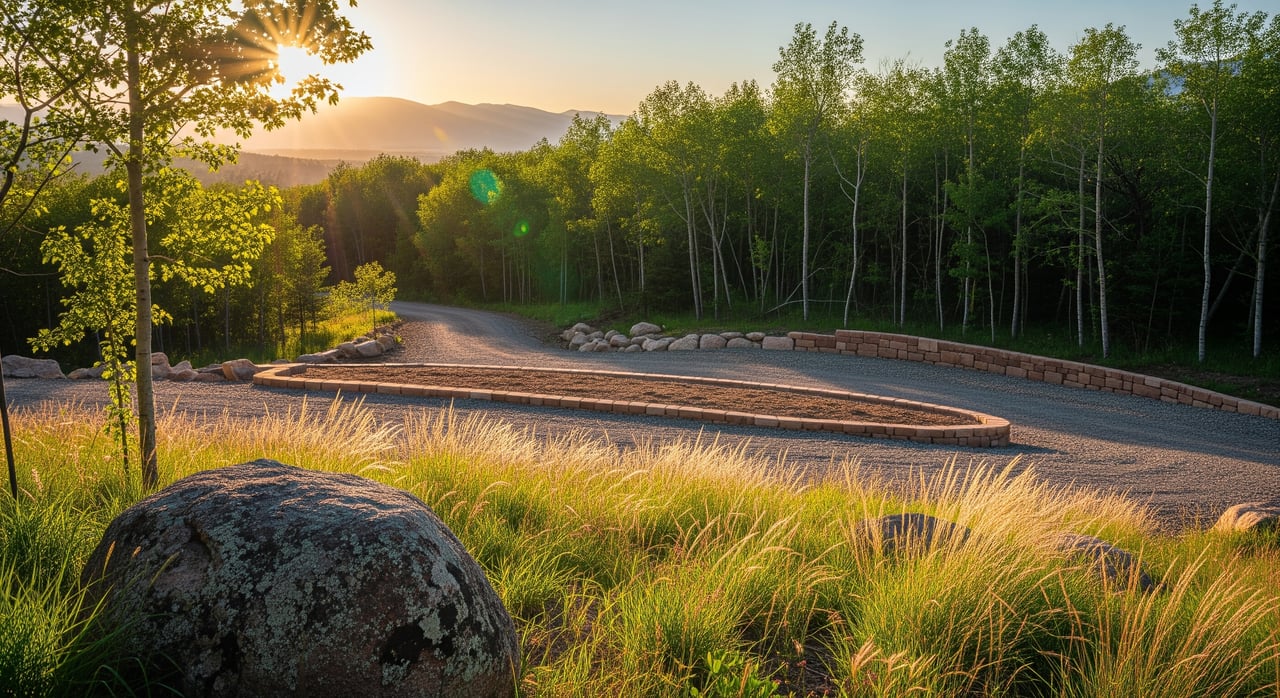
- Sloped or hillside sites: Expect raised foundations, retaining walls, and careful driveway design. Snow removal and vehicle access are key.
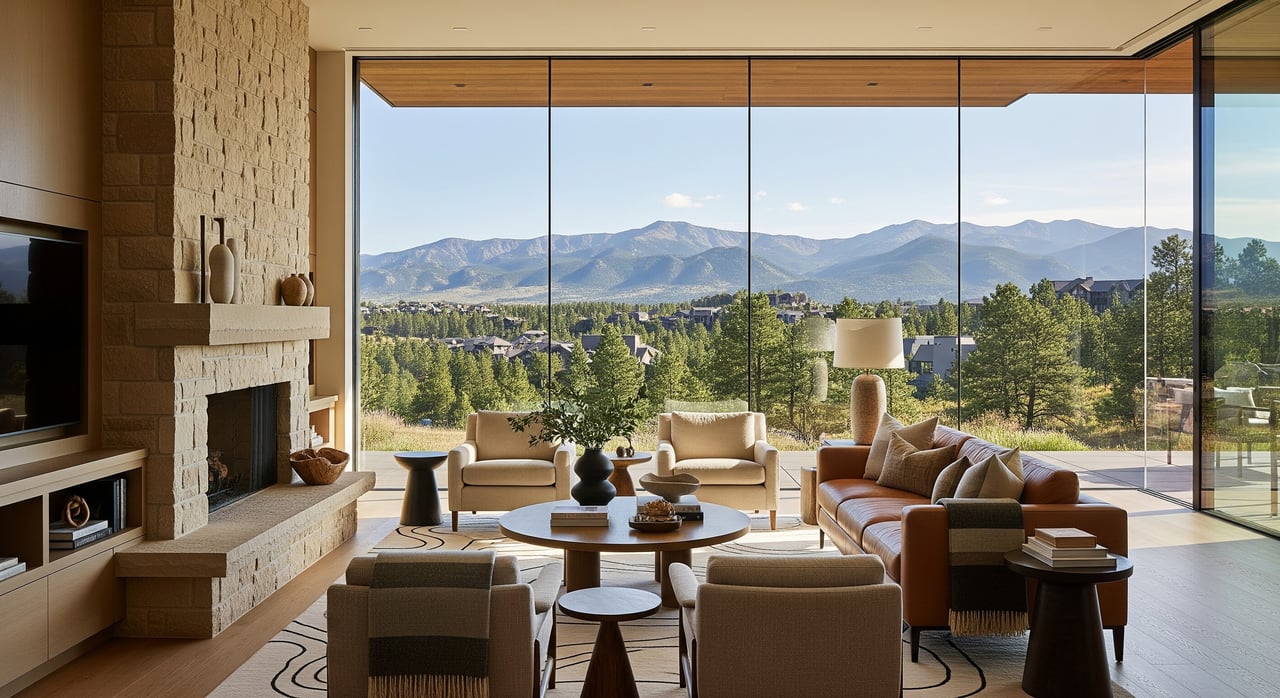
- Meadows and ridgelines: More sun and views with wind exposure that can affect comfort and heating.
- Near water features: If you’re close to the reservoir or stream corridors, review riparian setbacks and flood mapping before you commit.
Utilities to confirm
- Water: Some homes are on municipal water; others use private wells. If there is a well, verify the permit, well log, water quality, and yield to be sure it supports daily needs.
- Sewer/septic: In-town homes may connect to sewer, while many foothill parcels use septic systems. Ask for the septic permit, age, pump records, and drainfield location.
- Gas and heating: Natural gas availability varies. Many cabins rely on propane, electricity, or wood heat. Confirm fuel type, tank ownership, and operating costs.
- Electric and internet: Electric service is common, but older cabins may have limited panel capacity. Internet options vary by street, from cable or fiber in pockets to fixed wireless, DSL, or satellite. If you work from home, confirm speeds with providers during due diligence.
- Road care and snow removal: In-town streets are typically maintained by the town, but private roads and driveways are often the owner’s responsibility. Ask who plows what, and how quickly after a storm.
HOAs and covenants
Many in-town parcels have no HOA, while some nearby neighborhoods do. If you’re considering an HOA property, read the CC&Rs, budgets, and meeting minutes. Look for architectural rules, exterior material requirements, and any short-term rental restrictions that could affect your plans.
Year-round living tips
Roads and winter access
Plan for winter driving and snow storage. Steep or narrow driveways may require regular plowing, sanding, and a turnaround for safety. Confirm that emergency vehicles can reach the property in all seasons, and factor snow management into your budget.
If you plan to be away for stretches, ask about winterization procedures and whether the property has heat-tape, insulated pipes, or smart thermostats that can alert you to freezing risks.
Weather and maintenance
Higher elevation brings stronger sun, more freeze–thaw cycles, and snow loads. Prioritize roofing, flashing, insulation, and ventilation to prevent ice dams. Expect to refinish wood exteriors more often and schedule routine deck inspections.
Wind exposure is common on ridgelines, which can drive up heating costs and stress exterior details. After heavy winter weather, check roofs, fasteners, and gutters, and clear snow thoughtfully to avoid damaging materials.
Seasonal or full-time use
Many Palmer Lake homes are comfortable year-round, but some older cabins were built for seasonal use. Confirm heating capacity, insulation levels, water and sewer reliability, and winter access. If a property was used seasonally, ask how plumbing and systems were managed during cold periods.
Wildlife is part of the charm. Plan secure trash storage, safe firewood placement away from structures, and pest prevention to protect your home.
Risks, rules, and insurance
Natural hazards to review
- Wildfire: Forested parcels in the wildland–urban interface require defensible space and ongoing tree management. Slope and prevailing winds influence risk.
- Erosion and slopes: Steep terrain and rock outcrops can affect stability. If you see heavy grading or retaining walls, consider a specialized evaluation.
- Flooding: Parcels along the reservoir, creeks, or steep drainages warrant flood map checks and local drainage review.
- Snow and ice: Temporary closures or slowdowns can occur on local grades and I‑25. Build flexibility into winter plans.
Permits and who to call
Depending on location, you may work with the Town of Palmer Lake or El Paso County for building and planning matters. Expect permits for additions, decks, major remodels, driveway approaches, grading, vegetation removal on sensitive slopes, septic systems, and new wells.
Water wells are regulated at the state level. Septic permitting and records are typically managed through county public health. Local fire districts can advise on defensible space and ignition-resistant construction.
Insurance basics
Insurance pricing and availability reflect wildfire exposure, distance to a fire station, hydrant access or available water supply, and home type. Some carriers offer credits for mitigation steps like defensible space. For log or wood-sided homes, confirm replacement-cost coverage and any additional wildfire endorsements your carrier recommends.
If you are uncertain about insurability, start that conversation early in your due diligence so coverage or cost surprises do not derail your timeline.
Smart buyer checklist
Inspections to prioritize
- General home inspection by someone experienced with foothills properties
- Roof inspection for snow shedding, flashing, and potential ice dams
- Chimney and wood-stove evaluation, with cleaning records
- Foundation and slope assessment, especially with retaining walls or steep lots
- Well test and inspection, including yield and water quality if applicable
- Septic inspection, pump-out, and permit verification
- Electrical panel capacity and grounding check, particularly in older cabins
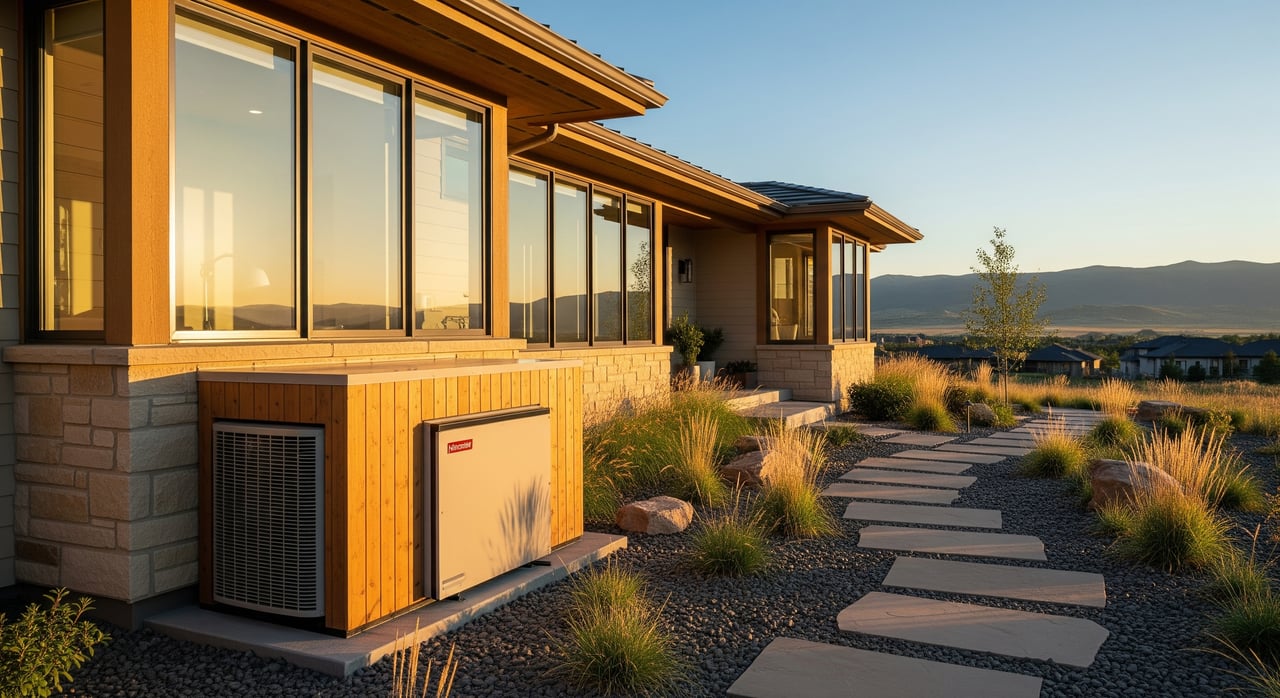
- Insulation and HVAC evaluation for high-elevation heating demands
- Pest inspection for rodents and wood-damaging insects
Financing and appraisals
Some lenders apply extra conditions to log homes, older cabins, or unconventional construction. Choose a lender familiar with rural and mountain properties. Appraisals can be challenging when comparables are limited, so allow time for valuation and consider lenders that use appraisers who know the Tri-Lakes market.
Conventional, FHA, and VA loans are generally available, but property condition and occupancy requirements matter. Plan for slightly longer contingency windows to complete well, septic, and specialized evaluations.
Key questions to ask
- What is the water source, and do you have the well log and recent water tests if on a well?
- Is the home on sewer or septic, and what is the system’s age and service record?
- How old are the roof, HVAC, chimney, and any septic or well components?
- Who plows the driveway and local roads, and how soon after a storm?
- What wildfire mitigation has been done, and are there ongoing obligations?
- Are there HOAs, CC&Rs, special assessments, or rental rules to know?
- Have there been any insurance claims related to fire, flood, or wind?
- Which utility and internet providers serve the property, and how reliable are they?
Resale factors
Year-round access, manageable winter maintenance, and reliable utilities help resale. Strong well yield and a healthy septic system are major value drivers. Parcels with extreme slopes or complex access often have a narrower buyer pool, while proximity to trails, the reservoir, and downtown can boost appeal.
Make your next move
Buying a mountain home is exciting, but the details matter. With the right due diligence, you can enjoy the Palmer Lake lifestyle without surprises. If you want experienced guidance, vendor referrals for well and septic pros, and a search tailored to the foothills, connect with the local team that treats you like family. Start with Brent & Jen Patterson to plan your next step with confidence.
FAQs
Is a Palmer Lake cabin livable year-round?
- Many are, but confirm heating capacity, insulation, water and sewer reliability, and winter road access before you buy.
How long is the commute to Colorado Springs or Denver?
- Plan about 20 to 30 minutes to northern Colorado Springs and roughly 45 to 75 minutes to Denver depending on traffic and destination.
What should I check if the home has a well and septic?
- Verify the well permit, yield, and water quality, and confirm the septic permit, age, pump history, and drainfield location and condition.
Will wildfire risk affect my insurance?
- It can. Pricing and availability vary with vegetation, slope, and distance to a fire station, though many carriers credit documented mitigation.
Are utilities and internet reliable in Palmer Lake?
- Service varies by street and provider. Confirm electric panel capacity and internet speeds with vendors during due diligence.
Do I need special inspections for a mountain home?
- Yes. Prioritize roof, chimney, foundation and slope, insulation and HVAC, plus well and septic evaluations when applicable.
Are HOAs common in Palmer Lake?
- Many in-town parcels do not have HOAs, but some nearby neighborhoods do. Always review CC&Rs and budgets if applicable.
What maintenance is unique to mountain homes?
- Seasonal roof and deck checks, chimney cleaning, tree and defensible space work, snow management, and regular well or septic service if present.