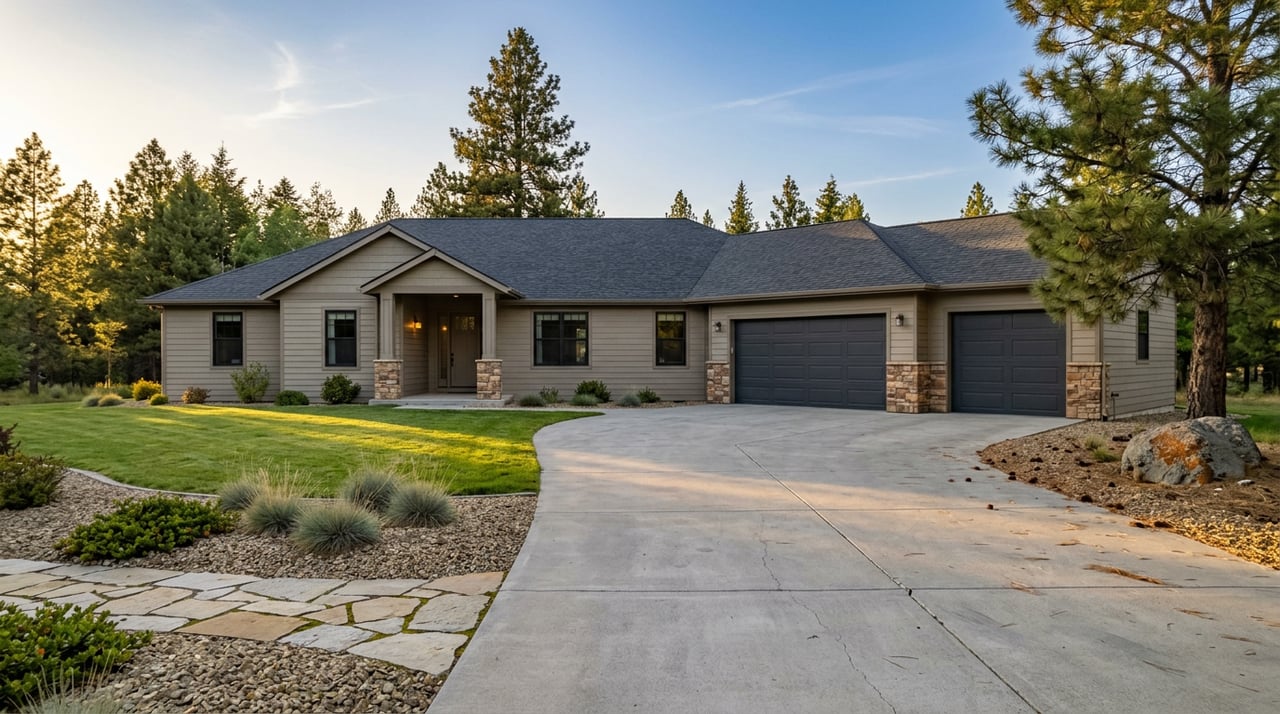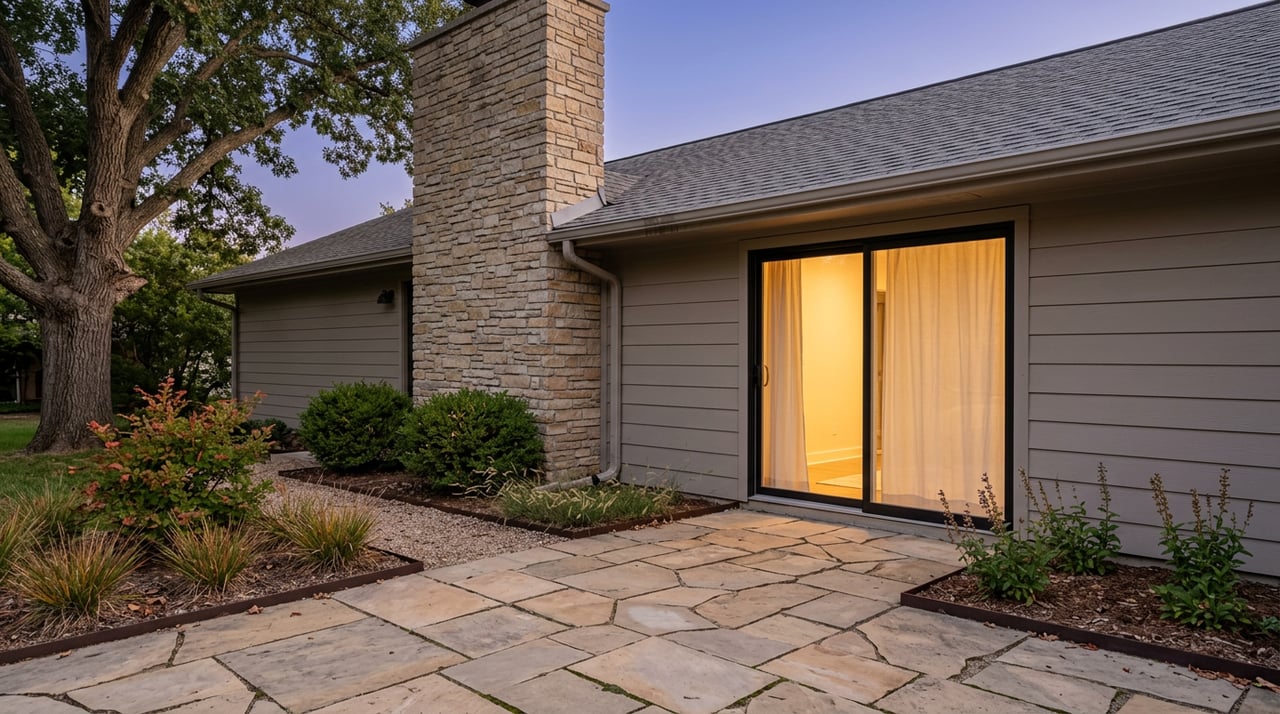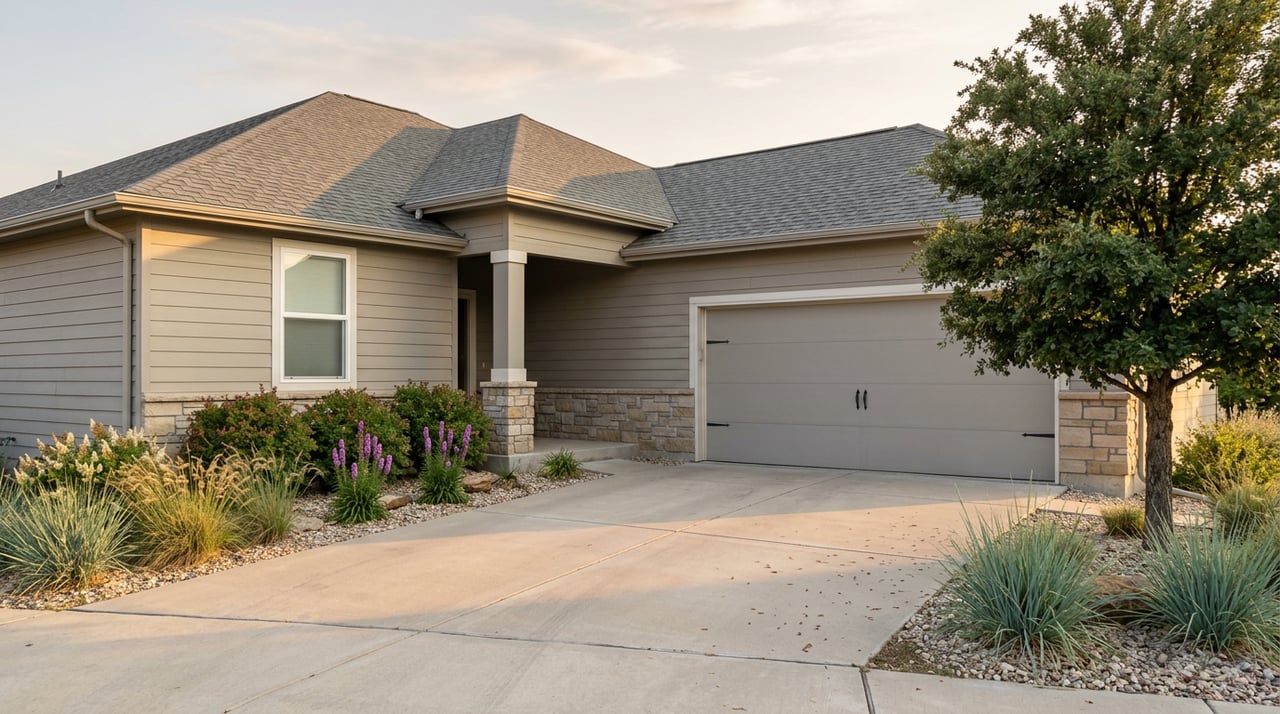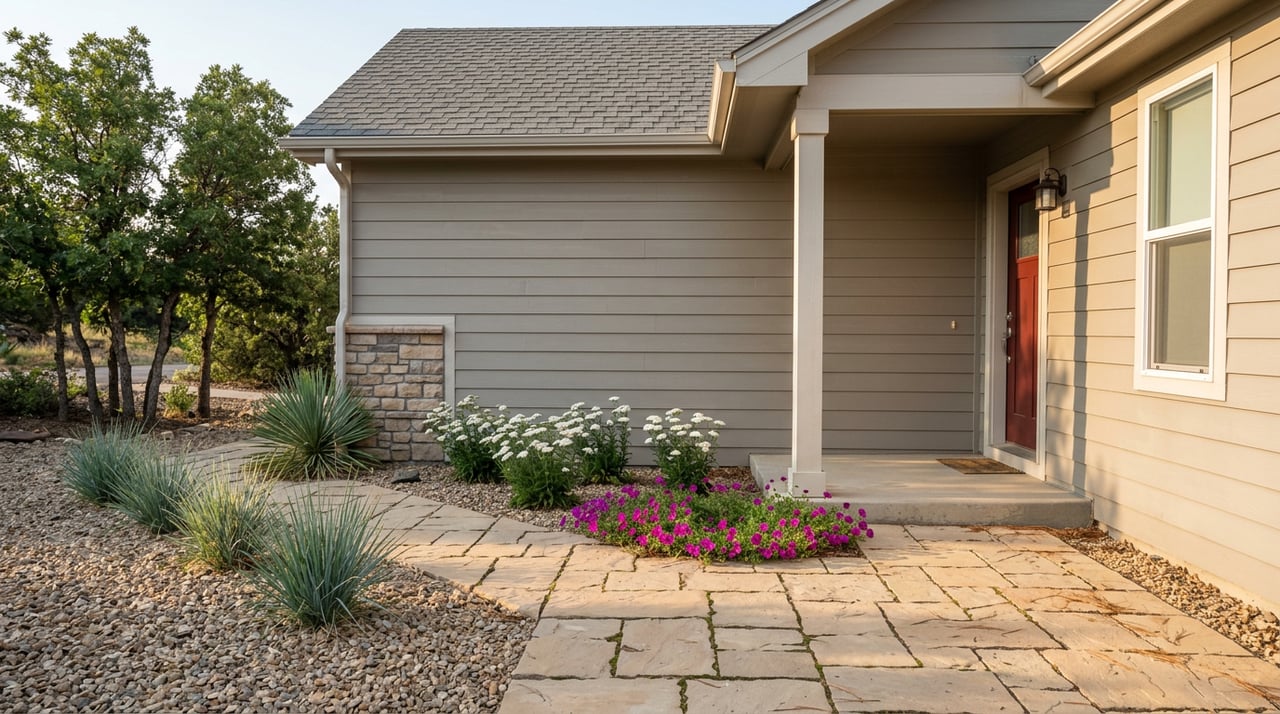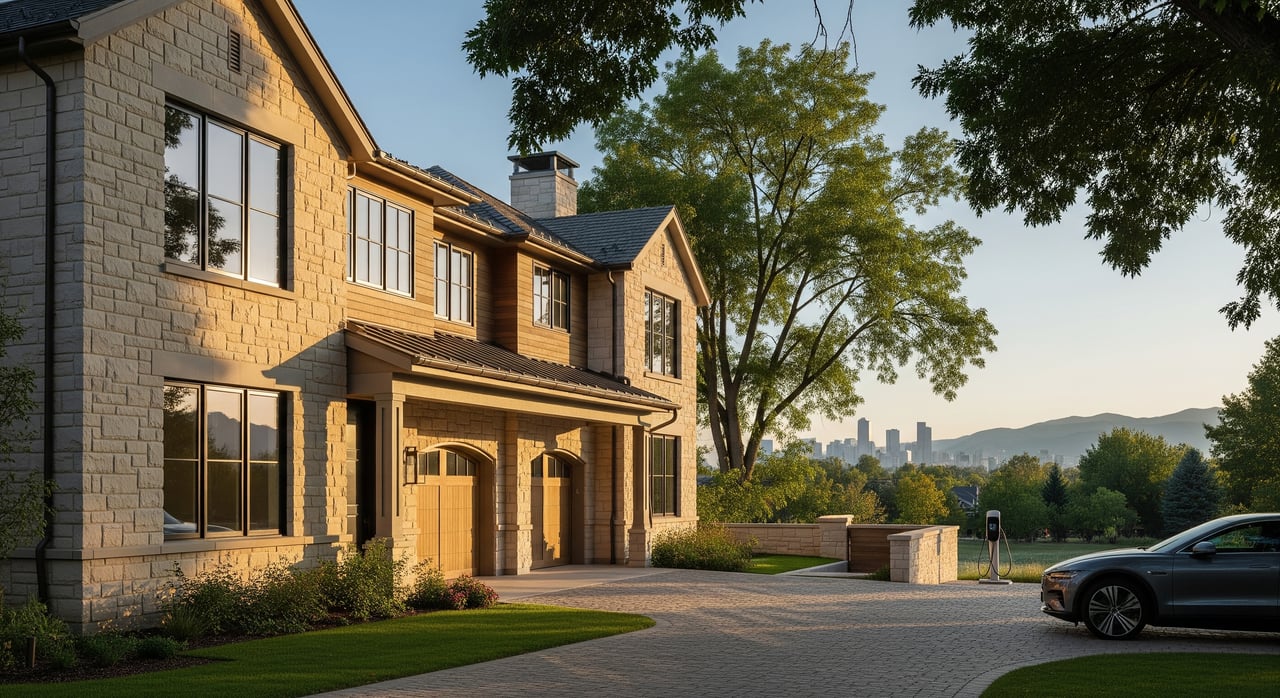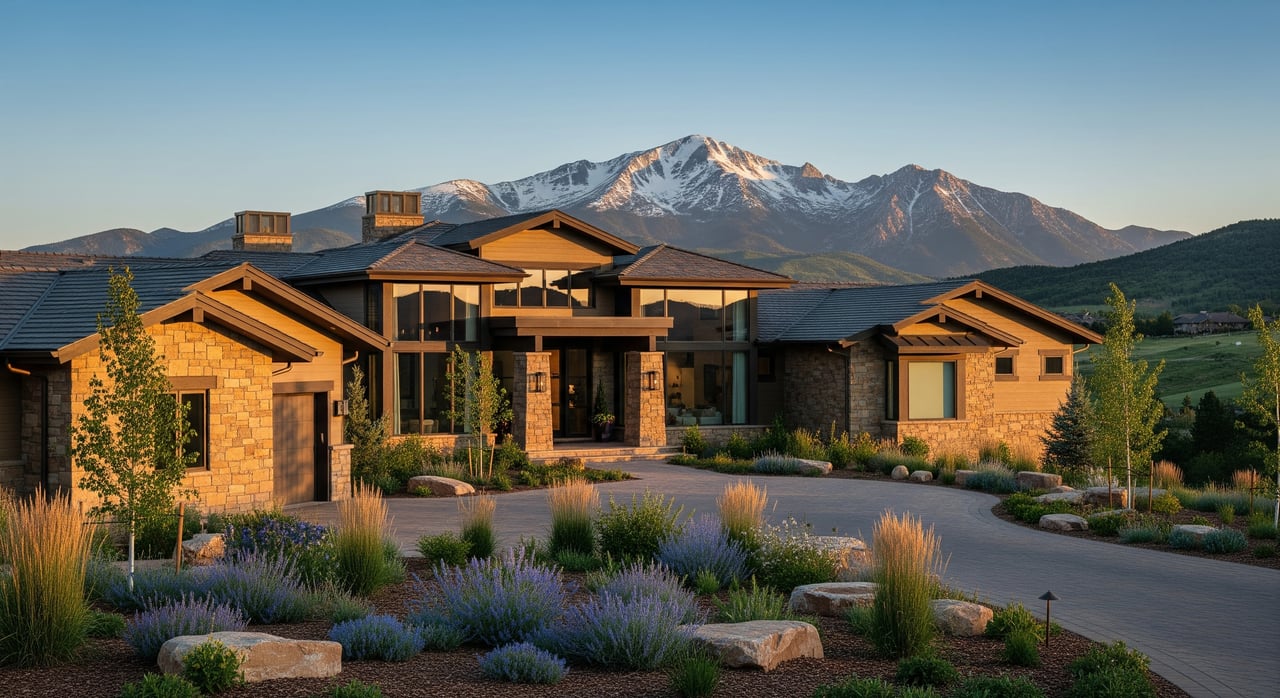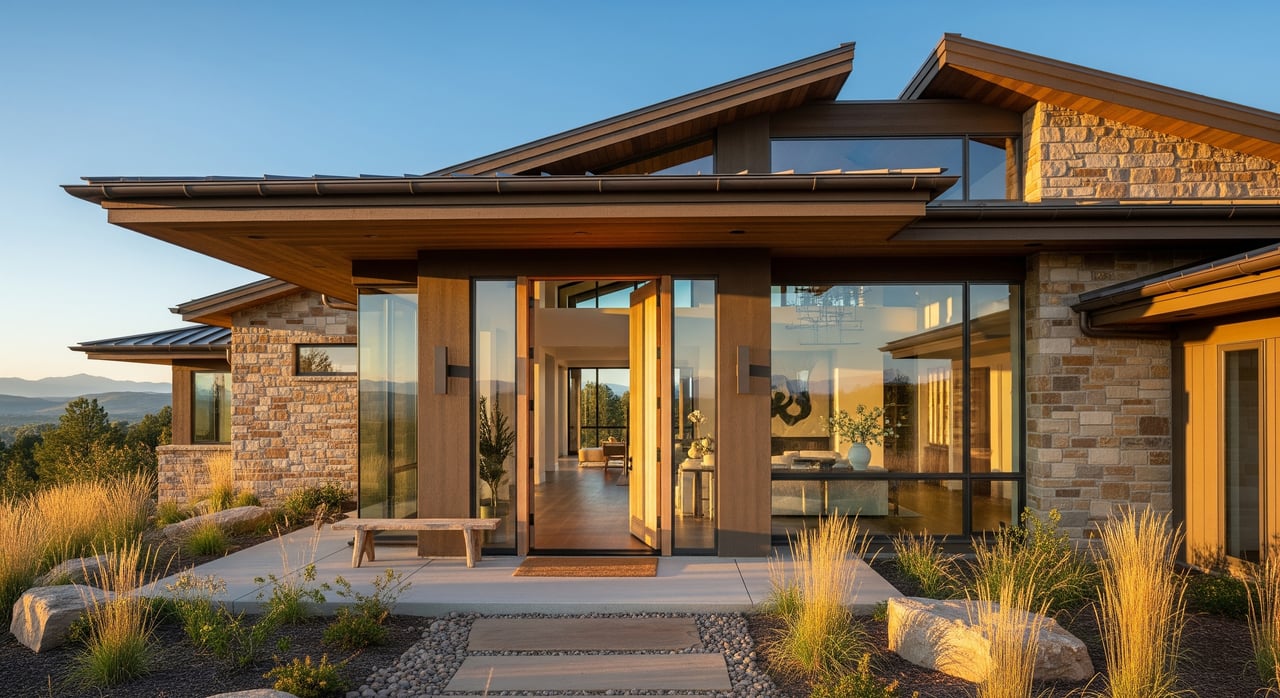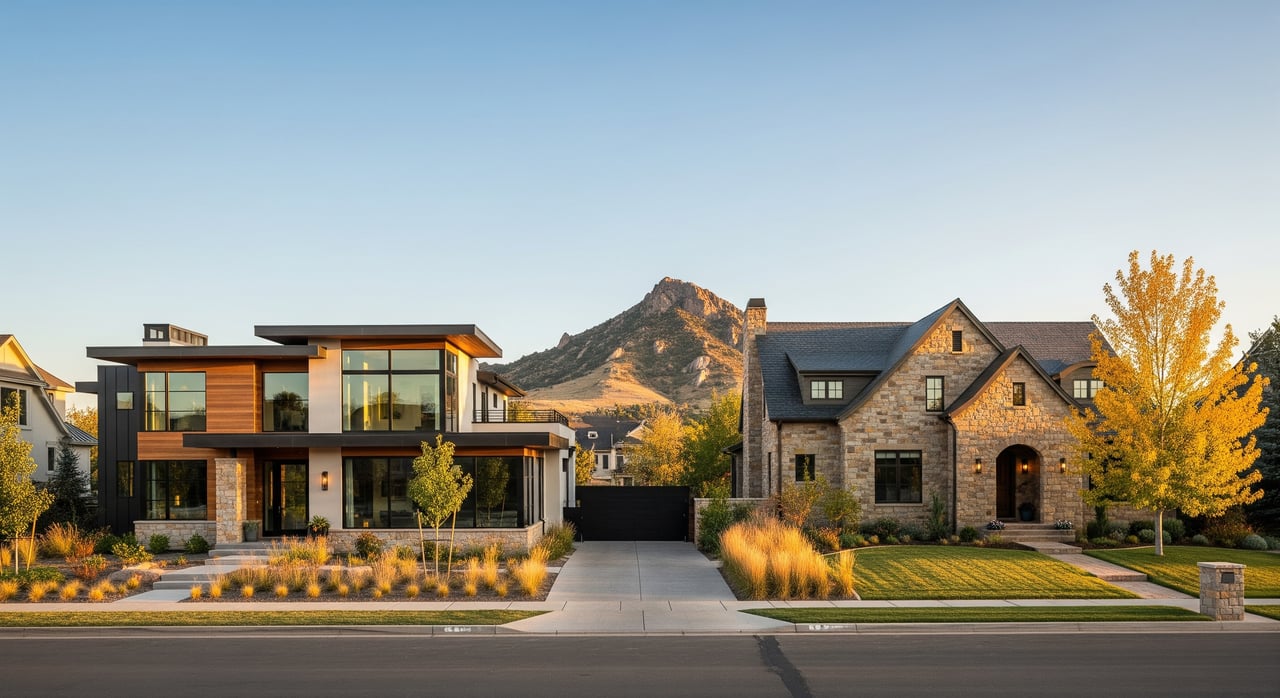
Dreaming of a turreted Victorian or a cozy Craftsman cottage beneath Pikes Peak? You’re not alone. Historic homes in Manitou Springs offer the kind of character you just can’t build today, but they also come with unique care, rules, and costs to plan for. In this guide, you’ll get a clear picture of what you’ll see on the market, how historic review works, the inspections and financing to consider, and upgrades that protect both comfort and originality. Let’s dive in.
Why Manitou Springs historic homes stand out
Manitou Springs grew as a resort and mineral-springs destination, and many homes reflect that late 19th and early 20th-century story. You’ll notice distinctive details, walkable streets near downtown, and craftsmanship that has lasted for generations.
Architectural styles you’ll see
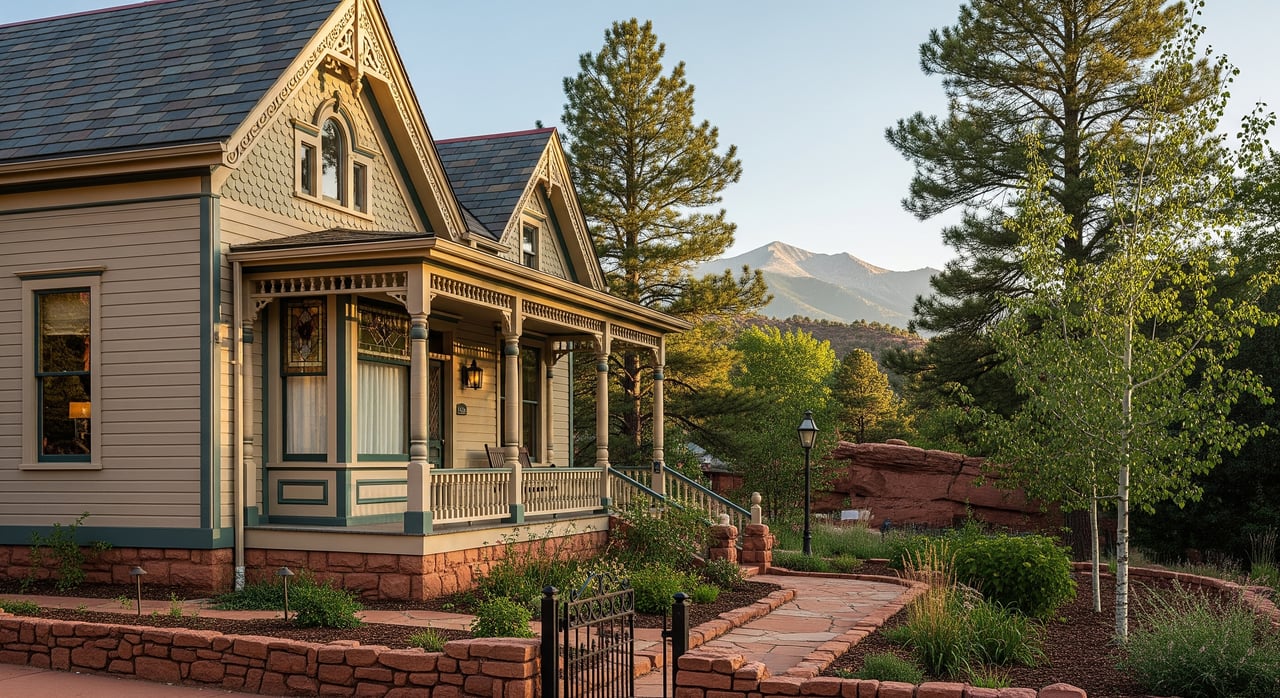
- Victorian-era homes like Queen Anne or Folk Victorian with asymmetrical footprints, ornate trim, stained glass, and wraparound porches.
- Queen Anne and Shingle influences with turrets, mixed siding patterns, and complex rooflines.
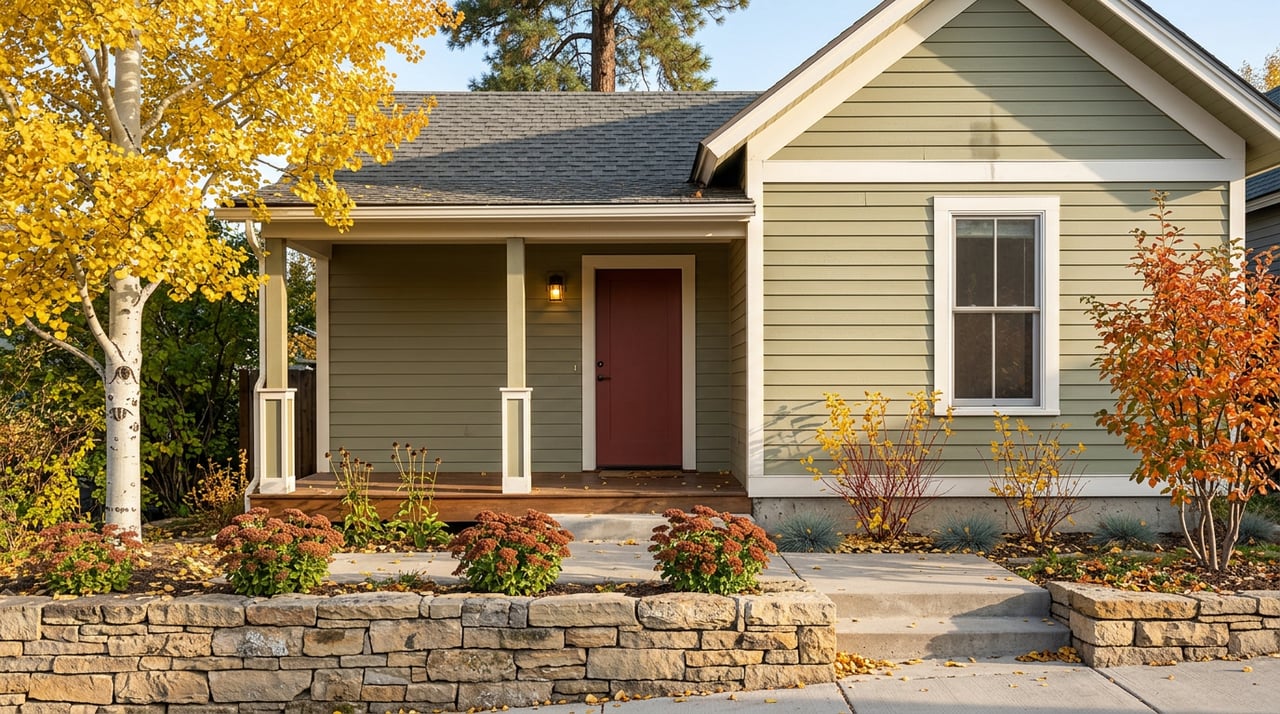
- Early cottages and bungalows that lean Craftsman, featuring exposed rafter tails and tapered porch columns.
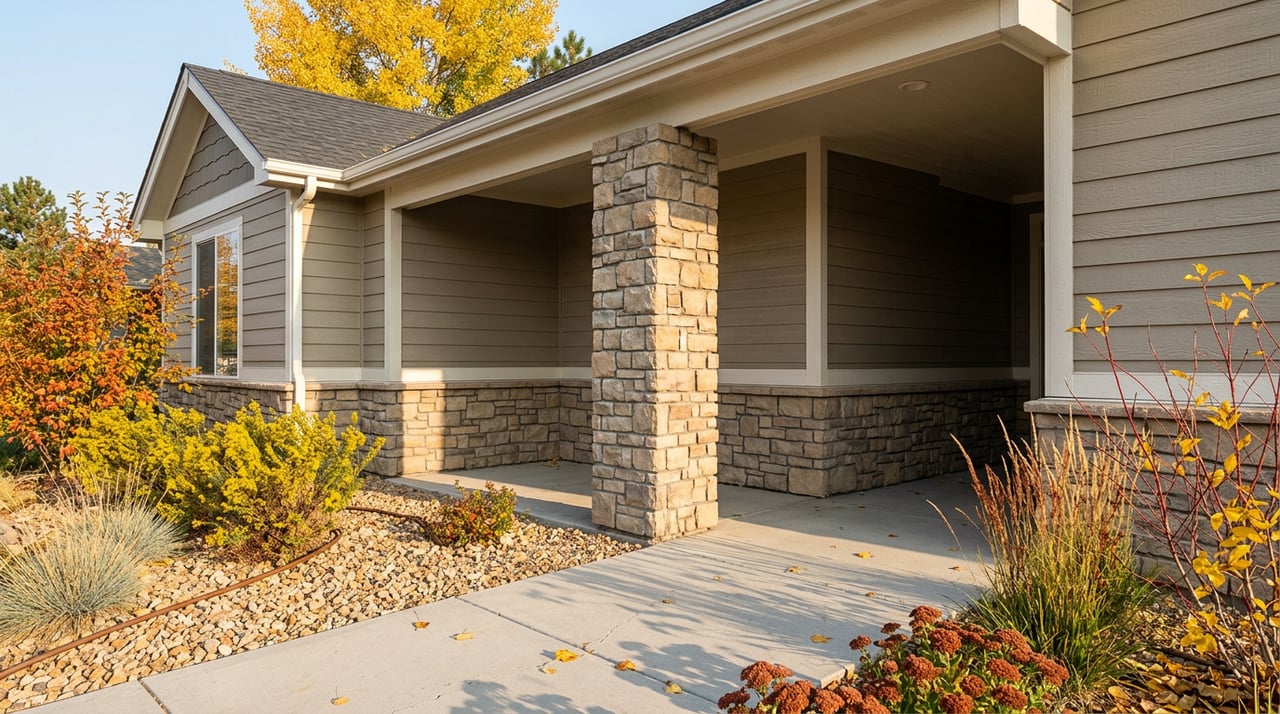
- Local sandstone and masonry, stone retaining walls, wood siding, original wood windows, and prominent porches.
These homes were built with local materials and hand-finished details, which is part of their charm and part of why repairs require experienced trades.
Materials and craftsmanship
Expect stone foundations and walls, original wood windows that can often be repaired, and millwork that defines the look of each facade. Repairing rather than replacing these features usually preserves value and character while keeping your home aligned with preservation guidance.
What to expect during ownership
Historic homes age differently. Many are solid and well-cared-for, but older systems and materials often need attention. Planning ahead reduces surprises and protects your investment.
Systems and safety to evaluate
- Electrical: Older homes may have ungrounded outlets or vintage wiring. Lenders and insurers sometimes require evaluation or upgrades for safety. A licensed electrician experienced with older systems is essential.
- Plumbing: Galvanized pipes and older cast-iron sewer lines can corrode or restrict flow. A sewer scope and plumbing review help you forecast repairs.
- Heating and cooling: Many homes started with boilers or hydronic heat and may not have central air. You might plan for HVAC upgrades focused on comfort and efficiency.
- Energy performance: Single-pane windows, limited insulation, and drafty doors are common. Attic insulation, air sealing, and targeted weatherization can make a big difference.
Structure, moisture, and masonry
- Foundations and floors: Stone or masonry foundations can settle over time, leading to uneven floors or minor cracks. A structural engineer can help you separate normal aging from bigger issues.
- Moisture: Hillside lots and older drainage setups can lead to water intrusion or mildew. Evaluate site drainage, retaining walls, basements, and crawlspaces.
- Masonry: Freeze-thaw cycles and age can deteriorate mortar. Repointing with compatible mortar is key to protect stone and brick.
Lead, asbestos, and safe practices
Homes built before 1978 may contain lead-based paint, and some older materials can contain asbestos. Testing and following lead-safe and asbestos protocols reduces risk and keeps projects on track.
Site and natural hazards to check
Manitou Springs includes sloped sites and areas influenced by drainage corridors. Review wildfire defensible space, floodplain status, rockfall potential, and retaining wall conditions as part of due diligence.
Rules, permits, and reviews in Manitou Springs
Parts of Manitou Springs include designated historic areas and properties. If you’re planning exterior changes, you may need historic review before permits are issued.
Historic designation and oversight
The City’s Historic Preservation Commission oversees exterior changes in local historic districts and for designated properties. Many exterior alterations, additions, and demolitions require review and approval, often through a Certificate of Appropriateness. Always verify current procedures and whether a specific property is covered on the City’s historic preservation pages.
What needs a permit or review
- Exterior work like roofing, siding, windows, porch repairs, additions, and demolition typically requires a building permit and, in designated areas, historic review before issuance.
- Interior work often has fewer preservation restrictions, though building codes still apply. If an easement or covenant exists, additional approvals may be required.
Easements and covenants
Some properties carry preservation easements or deed restrictions held by preservation organizations. These can limit alterations even for private owners. Confirm restrictions during title review before you finalize plans.
Buying and financing a historic home
With the right preparation, you can buy with confidence and enjoy the process. It starts with focused inspections and the right financing plan.
Pre-purchase due diligence checklist
- Verify the property’s historic status and any easements or deed restrictions.
- Schedule a standard home inspection plus specialists as needed: electrician, plumber, structural engineer, masonry professional, and roof or porch specialist.
- Request hazard testing for lead-based paint in pre-1978 homes, and test for asbestos if suspect materials are present. Consider a moisture assessment if there’s a history of water intrusion.
- Check local permit and historic-review requirements for any planned exterior work.
- Talk with lenders early about renovation financing options and potential lender-required repairs.
- Contact your insurance carrier early for coverage expectations and any conditions related to older systems or site hazards.
- Review flood maps and local records to understand site risks and zoning.
Financing and renovation loans
Older homes are financeable with conventional, FHA, or VA loans, but a lender may require repairs for safety or structural concerns as a condition of approval. If you plan to renovate, look into renovation mortgages that bundle improvements into your loan. Two common options are HUD’s FHA 203(k) and Fannie Mae’s HomeStyle Renovation programs. These loans have specific requirements, so work with a lender experienced in renovation financing.
Insurance considerations
Insurance carriers may have questions about vintage wiring, very old roofs, or heating systems. Wildfire exposure and floodplain status can also influence coverage and cost. Get quotes early so you know what, if anything, needs to be addressed before closing.
Planning renovations that respect history
The best upgrades protect comfort and efficiency without erasing original character. That approach also helps you navigate historic review more smoothly.
Preservation-minded upgrades
- Follow established preservation standards focused on repair over replacement and using compatible materials. These principles help you maintain character while solving modern needs.
- Windows: In many cases, repairing historic wood windows and adding storm windows balances energy performance with authenticity.
- Energy improvements: Start with air sealing and attic or basement insulation. Then consider HVAC upgrades and reversible interior measures that avoid damaging historic materials.
- Exterior planning: Build in lead time for design review and permits before you schedule contractors.
Budgeting and timelines
Historic renovations can cost more per square foot than standard remodels because of specialized trades and detail work. Hidden conditions are common once walls or floors are opened. Include a contingency in your budget and plan for extra time to accommodate approvals and careful craftsmanship.
Trusted local resources
Use these resources to verify historic status, plan work, and find programs that may help with your project:
- Explore current procedures and the Historic Preservation Commission on the City of Manitou Springs historic preservation page.
- Learn about potential state incentives and guidance through History Colorado, Colorado’s State Historic Preservation Office.
- Review the Secretary of the Interior’s Standards for Rehabilitation through the National Park Service for project planning fundamentals.
- Understand lead-safe work practices via the EPA’s Renovation, Repair, and Painting (RRP) Rule.
- See how FHA 203(k) renovation mortgages work through HUD.
- Review Fannie Mae’s HomeStyle Renovation program for conventional financing options.
- Check flood status using the FEMA Map Service Center.
- Look up local records and property information on El Paso County’s official site.
The bottom line
Manitou Springs historic homes deliver incredible character, craftsmanship, and connection to the town’s resort-era roots. With smart inspections, a clear permit path, and the right renovation plan, you can preserve what makes your home special while improving comfort and efficiency. If you want a partner who knows the west side and can connect you with trusted inspectors, lenders, and preservation-minded contractors, we’re here to help.
Ready to explore historic homes with a thoughtful plan? Connect with Brent & Jen Patterson for local guidance, curated vendor referrals, and a smooth path from search to closing.
FAQs
What makes Manitou Springs homes “historic”?
- Many homes date from the late 1800s and early 1900s, featuring Victorian, Shingle, and Craftsman-era details tied to the town’s resort and mineral-springs history.
Do I need approval to change windows or siding?
- Exterior work in local historic districts or on designated properties often needs review and approval before permits are issued; verify current procedures with the City’s Historic Preservation Commission.
Are older electrical and plumbing systems a deal-breaker?
- Not usually, but plan for evaluation and potential upgrades; lenders or insurers may require safety-related fixes before closing.
Can I use a renovation loan to update a historic home?
- Yes; programs like FHA 203(k) and Fannie Mae HomeStyle can finance repairs and upgrades within your mortgage, subject to program rules and lender requirements.
How can I make an older home more energy efficient?
- Start with air sealing and insulation, then consider HVAC updates and window repair plus storm windows to improve comfort while retaining character.
What inspections should I order before I buy?
- In addition to a general inspection, consider specialists for electrical, plumbing, structure, masonry, and roof/porches, plus testing for lead, asbestos, and moisture where applicable.
Where can I confirm flood risk or site hazards?
- Review FEMA flood maps and local county records, and consider a geotechnical or structural review for steep or retaining-wall sites.