Is the Littleton-to-Denver commute worth it for you? If you are weighing more space and neighborhood charm in Littleton against the daily drive or train ride into Denver, you are not alone. Choosing a home is about more than a floor plan. It is about how your day flows and how long it takes to get where you need to be. This guide gives you the routes, modes, timing, and cost tools to make a smart decision, plus a simple plan to test your commute before you buy. Let’s dive in.
Where Littleton sits and how far it is
Littleton’s Arapahoe County portion sits on the south and southwest edge of the Denver metro. Depending on your exact start in Littleton and your destination in Denver, you are usually looking at roughly 10 to 20 miles. That can feel very different at 7:45 a.m. compared with 10:30 a.m. Route choice and departure time drive most of the variability.
County lines in and around Littleton can affect services and school assignment. When you evaluate properties, confirm which county you are in and how that aligns with your daily routines.
Your route options into Denver
Driving routes to know
- I-25: Often the most direct path into central Denver. It sees frequent congestion during peak times, especially inbound in the morning and outbound in the afternoon.
- C-470: Useful if you need to reach areas west or southwest of Denver or if you want to skirt central bottlenecks. It can add mileage, so balance time versus distance.
- Surface arterials: Corridors like Santa Fe, U.S. 285, and key east-west connectors such as Belleview and West Bowles can help you avoid freeway slowdowns. They are signal dependent and usually slower, but can be more predictable on certain days.
Managed or express lanes operate on some metro corridors. If you plan to use them, review current locations and toll policies before you commit. Peak patterns are stable: morning inbound traffic toward downtown and afternoon outbound toward the suburbs are the busiest windows.
Parking at your destination
If your job is downtown or in a dense job center, plan for paid parking. Options range from daily rates to monthly permits and vary by neighborhood and garage. Factor this into both budget and convenience, and confirm on-site parking rules if your office has special arrangements.
RTD light rail and bus
Many Littleton commuters pair a short drive or local bus with light rail for the main leg into Denver. Advantages include less stress, the ability to read or work during the ride, and no downtown parking. Trade-offs include schedules, potential transfers, and the first and last mile between your home, the station, and your office. Station parking availability and transit schedules change, so check current details before you set a routine.
Carpool and vanpool options
Carpools and vanpools can reduce costs and add reliability. Some employers offer pretax commuter benefits or parking subsidies that improve the math. Where high-occupancy facilities are available, shared rides can also provide time savings. Ask your employer what programs are in place.
Biking and micromobility
If you are comfortable on two wheels, e-bikes make 8 to 15 mile commutes more realistic. The regional trail network, including paths along the South Platte River, can connect you toward Denver with fewer stoplights. Winter conditions and snow clearing matter, so have a backup plan. You can also combine biking with transit by using station bike racks or bringing a bike where permitted.
How long will it really take?
The short answer is that it depends on origin, destination, corridor, and time of day. For many Littleton-to-Denver trips, you might see 20 to 30 minutes in lighter traffic, and 45 to 60 minutes or more during peaks. Midday and weekends are usually faster. Your best move is to time your exact trip at the times you expect to travel.
Reliability can shift with weather, special events, crashes, and construction. Winter storms slow everything down, and summer construction season can add lane closures. Before you set expectations, check current transportation agency alerts for projects and travel-time trends.
What will it cost to commute?
Driving cost quick math
Use this simple approach to build your budget:
- Fuel: Round-trip miles ÷ your vehicle’s mpg × current gas price.
- Vehicle wear: Add a per-mile operating cost to reflect maintenance, tires, and depreciation. Many people use a standard per-mile rate from national sources as a stand-in.
- Parking: Daily or monthly fees near your office or campus.
- Tolls: Add expected express-lane or toll costs, if you plan to use them.
Add those items for a daily total, then multiply by your weekly commute days and by four for a monthly estimate.
Transit cost basics
Transit budgets hinge on regular fares or monthly passes. Check if your employer offers a transit subsidy or pretax benefit, which can lower the out-of-pocket cost. If you drive to a station, confirm parking rules and any time limits.
Put a value on your time
Estimate your time investment like this:
- Round-trip minutes × commute days per week = weekly minutes
- Weekly minutes × 4 = monthly minutes
Ask yourself what that time is worth and how it compares to the housing features you gain in Littleton.
Littleton areas and features for commuters
Your best fit depends on where in Denver you work and which mode you prefer.
- Downtown or old town Littleton: Compact, walkable, and convenient to local amenities. This can work well if you want quick access to nearby services before and after work.
- Near major highways or arterials: Faster access to drive routes like I-25 or Santa Fe can save minutes, with a possible trade-off of more traffic noise.
- West and southwest neighborhoods toward the foothills: Often quieter with larger lots, but you may add distance to Denver job centers. Decide whether lifestyle benefits offset a longer trip.
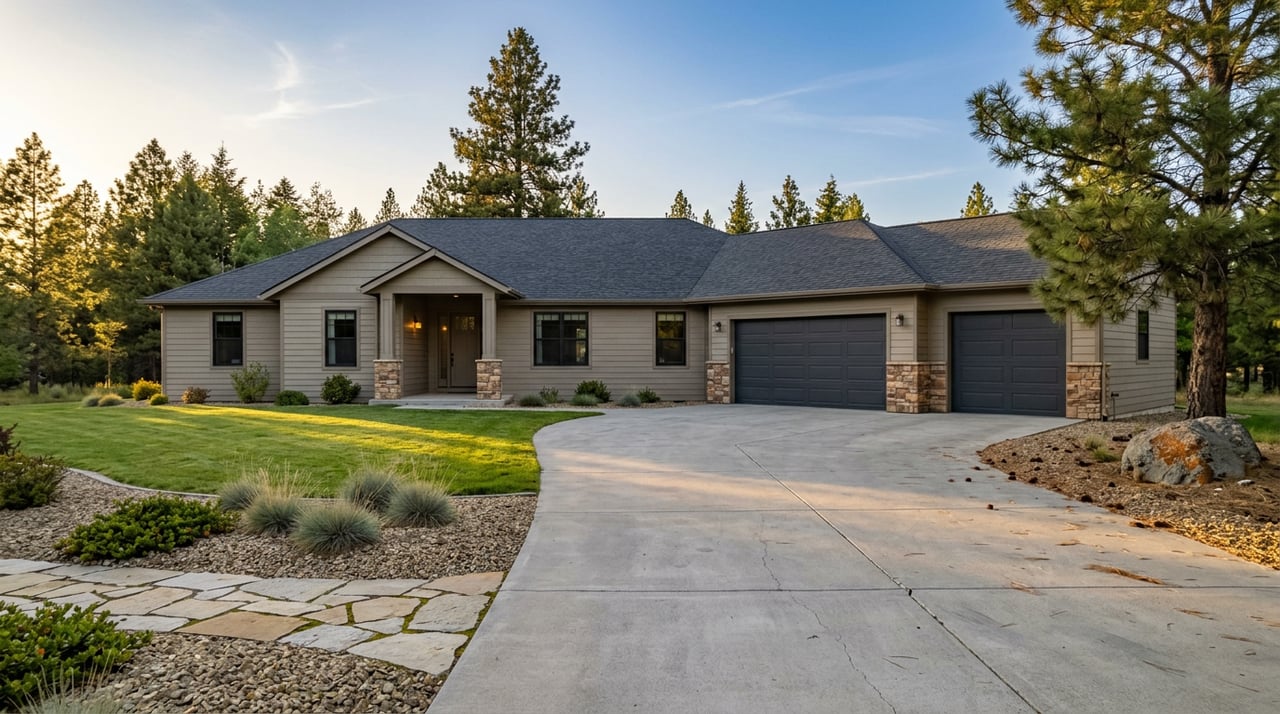
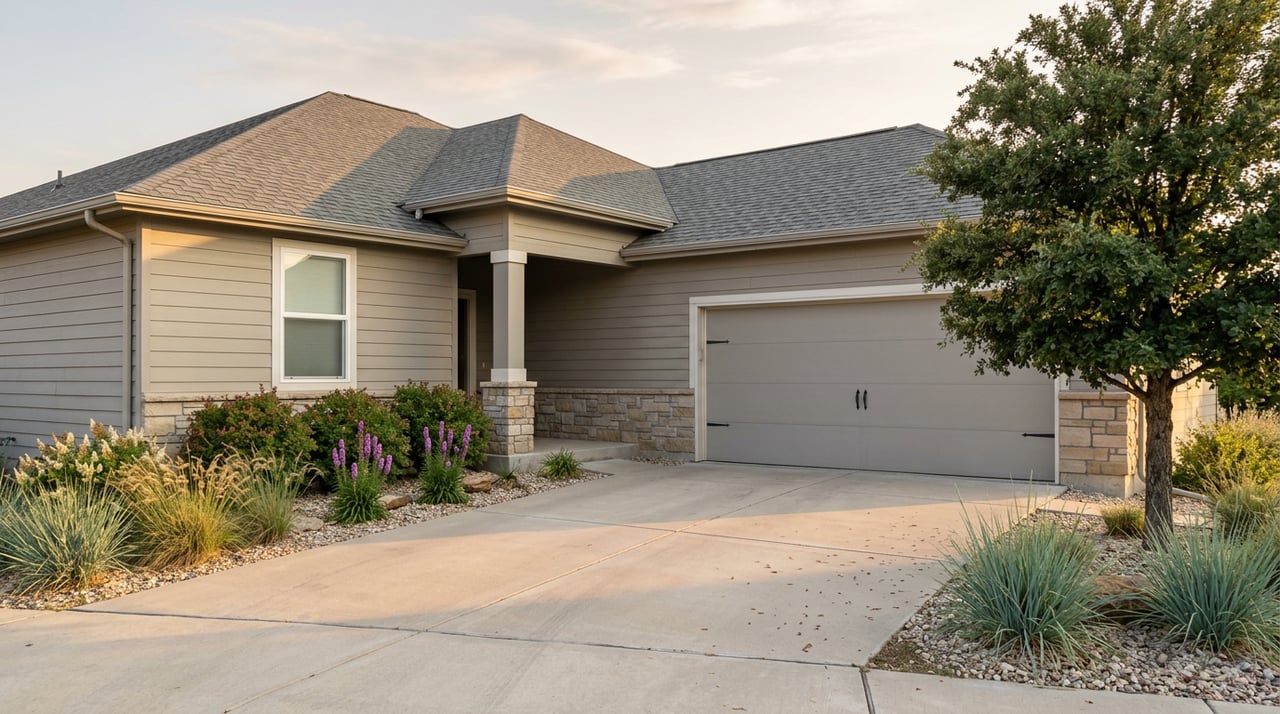
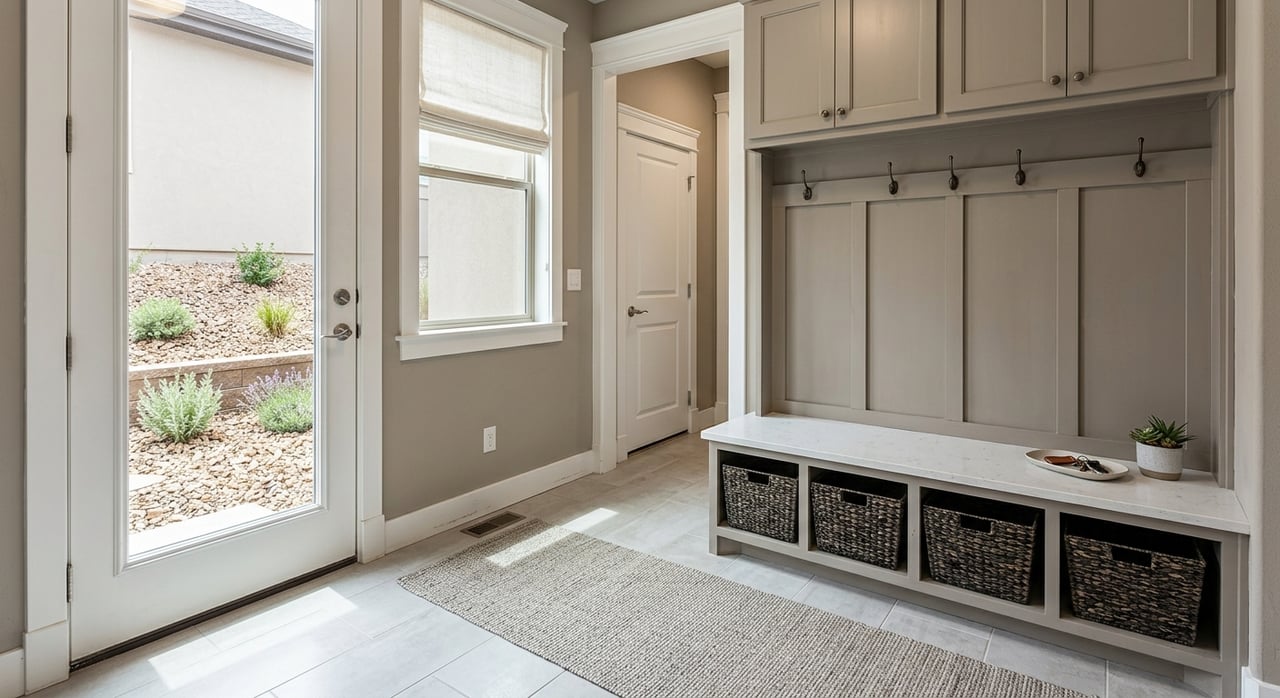
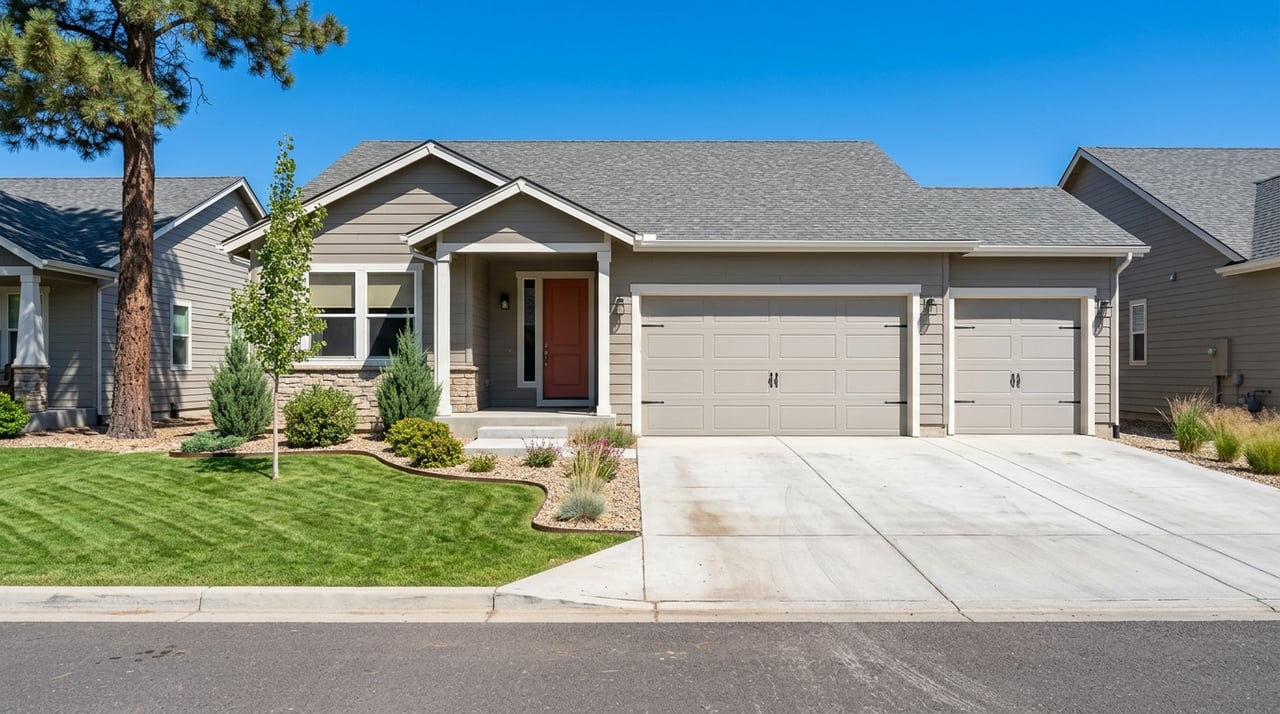
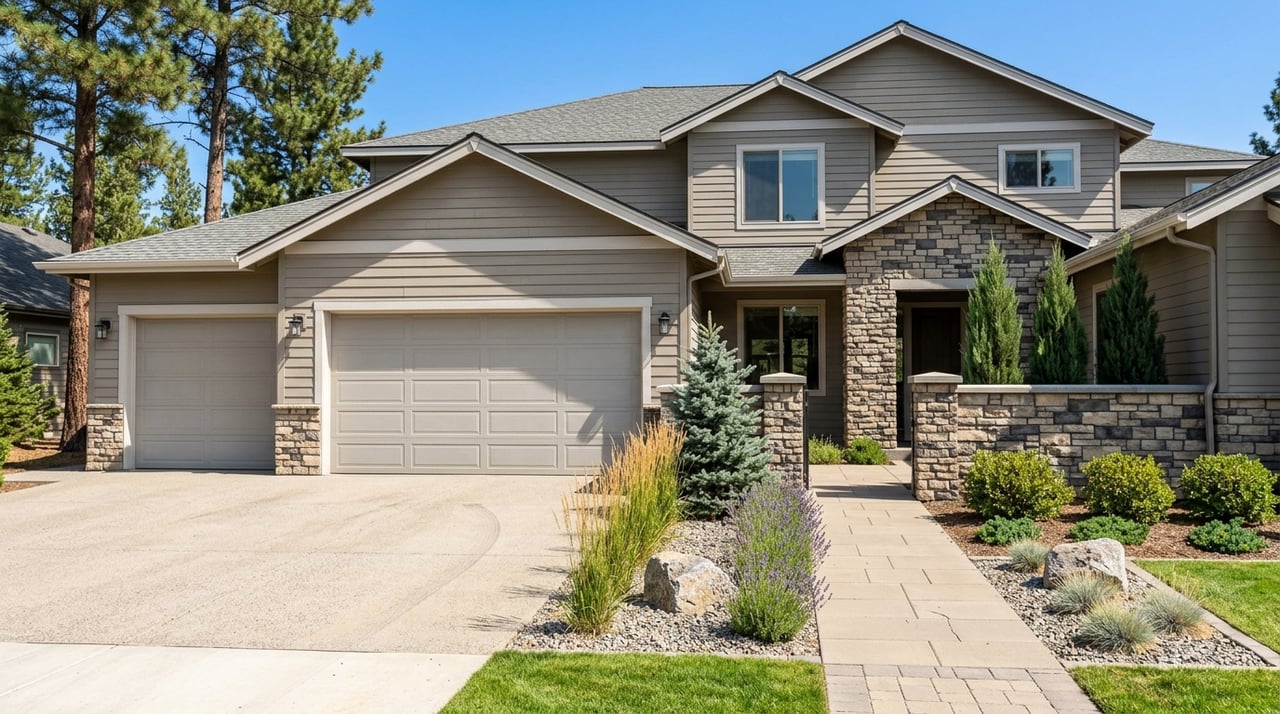
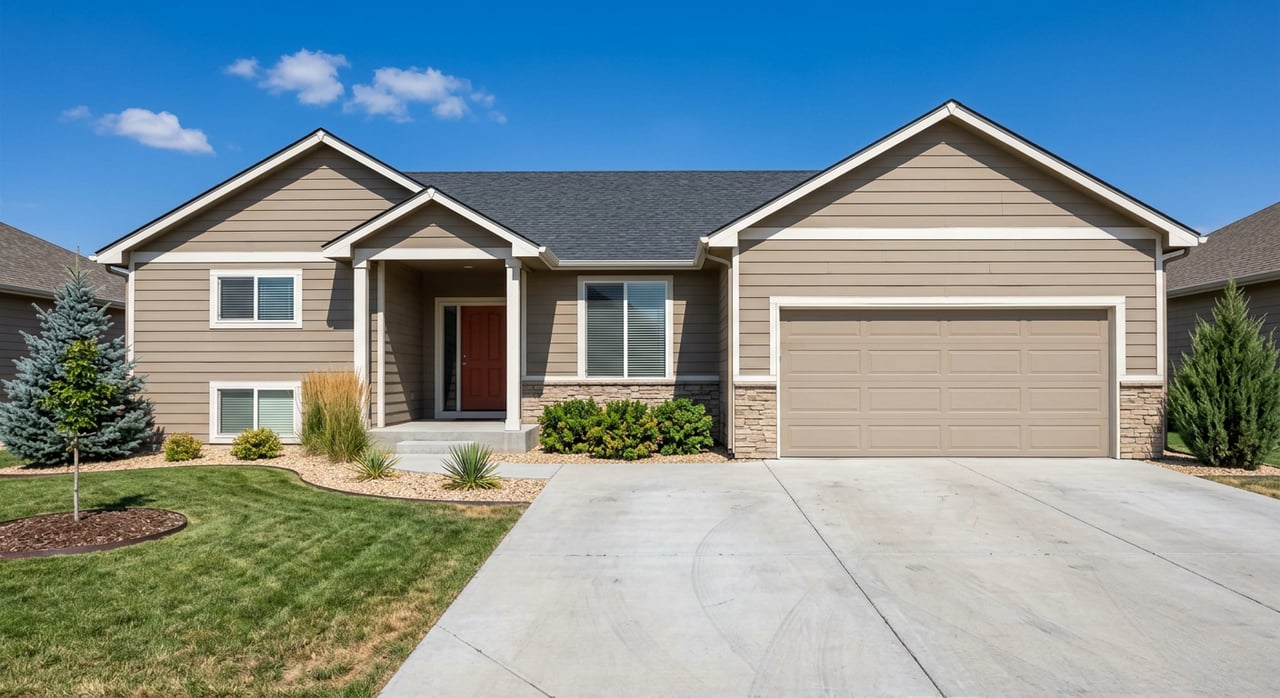
Property features that help commuters include a garage or covered parking for winter mornings, space to store bikes or gear, and proximity to your preferred route or a transit station. Walkability to daycare, coffee, and grocery can also make commute days smoother.
A step-by-step commute game plan
Use this checklist before you write an offer:
- Do a timed drive test from the property to your actual workplace, at true peak hours for both morning and evening. Try at least two different routes.
- Test your intended mode for a full week. If you plan to use light rail, do the drive or bus to the station, park, and ride in at your expected times.
- Confirm parking at both ends: your home (including HOA rules) and your workplace. Identify backup options.
- Check current transit schedules and station parking capacity if you plan to ride.
- Ask your employer about flexible hours, remote days, and commuter benefits.
- Plan for winter: snow tires, extra time buffers, and a safe alternate route if conditions change.
- Build a monthly commute budget and compare it with the price difference between short-list homes.
- If schools or daycare are part of your daily routine, confirm locations and travel time during peak periods.
Sample commute cost and time worksheet
Copy this into a notes app or spreadsheet and fill in your numbers:
- Home-to-office one-way miles: ______
- Round-trip miles per day: ______
- Commute days per week: ______
- Vehicle mpg: ______
- Gas price per gallon: ______
- Per-mile operating cost: ______
- Daily parking cost: ______
- Daily tolls (if any): ______
- Transit fare or monthly pass cost (if using transit): ______
Calculations:
- Fuel cost per day = (Round-trip miles ÷ mpg) × gas price
- Vehicle wear per day = Round-trip miles × per-mile operating cost
- Driving total per day = Fuel + Vehicle wear + Parking + Tolls
- Driving total per month = Driving total per day × Commute days per week × 4
- Transit total per month = Monthly pass or average fares
- Time per week = Round-trip minutes × commute days
- Time per month = Time per week × 4
Compare the monthly totals and time with the lifestyle benefits you get from each home on your list.
Safety, weather, and winter readiness
Speed limits and enforcement vary by corridor, so plan your timing with that in mind. If you plan to bike, confirm where bike lanes and multiuse paths exist on your route. In winter, major highways and arterials are plowed first, and residential streets often follow later, so give yourself extra time after storms.
Making the move with confidence
Littleton can be a smart home base for Denver commuters when you match the location and mode to your routine. The key is to test your exact trip, run the costs, and choose a home that supports your weekday rhythm. If you want help aligning neighborhoods, commute options, and your must-haves, reach out to Brent & Jen Patterson for a personal plan and a smooth, end-to-end home search.
FAQs
How far is it from Littleton to downtown Denver?
- Many trips fall in the 10 to 20 mile range, but the exact distance depends on your starting point in Littleton and your specific destination in Denver.
Is light rail a reliable option from Littleton to Denver?
- It can be a dependable choice that avoids traffic and parking, but schedules, transfers, and station parking vary, so check current details and do a test run at your usual times.
What is the best driving route from Littleton to Denver during rush hour?
- There is no single best route; I-25 is often most direct but congested, while Santa Fe, U.S. 285, and other arterials can help depending on your origin and destination, so test two or three options at peak times.
How do winter storms affect the commute from Littleton?
- Snow and ice slow travel, increase variability, and can add significant time; major roads are plowed first, so plan for a longer buffer and have an alternate route ready.
Which Littleton areas work well for Denver commuters?
- Areas closer to I-25 or a nearby transit station often reduce travel time, downtown or old town offers convenience to amenities, and west or southwest neighborhoods trade a quieter setting for added distance to Denver job centers.