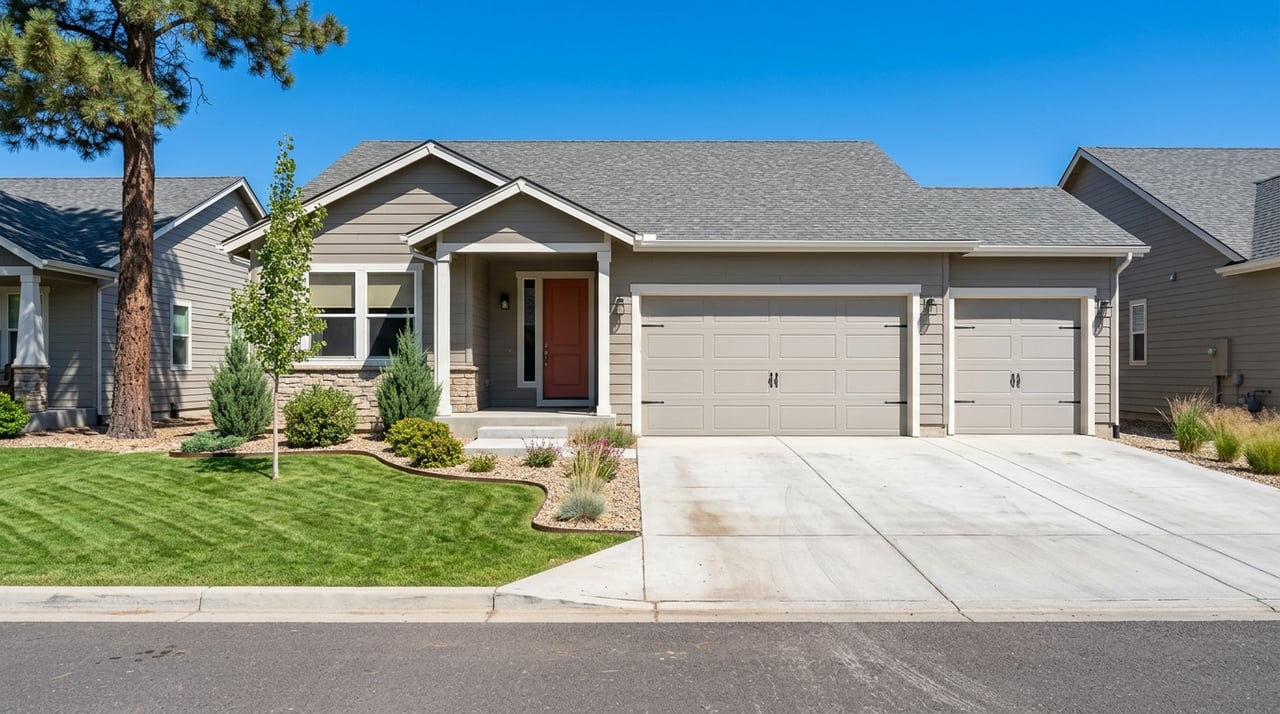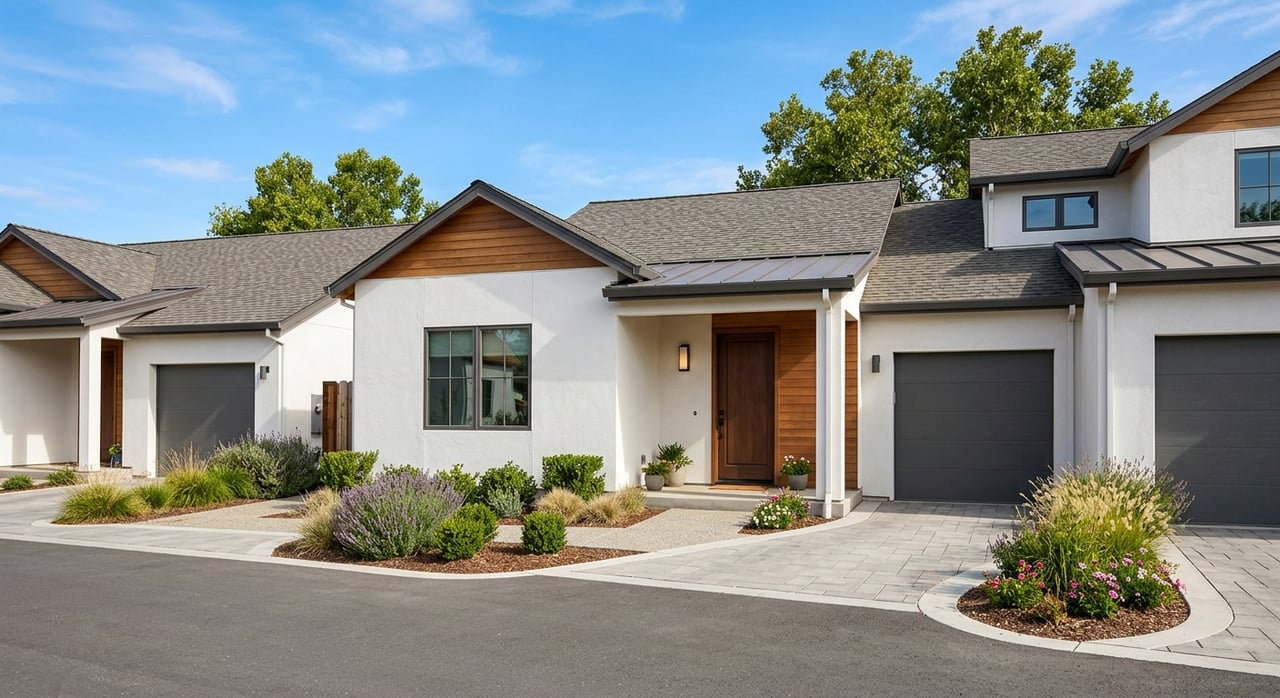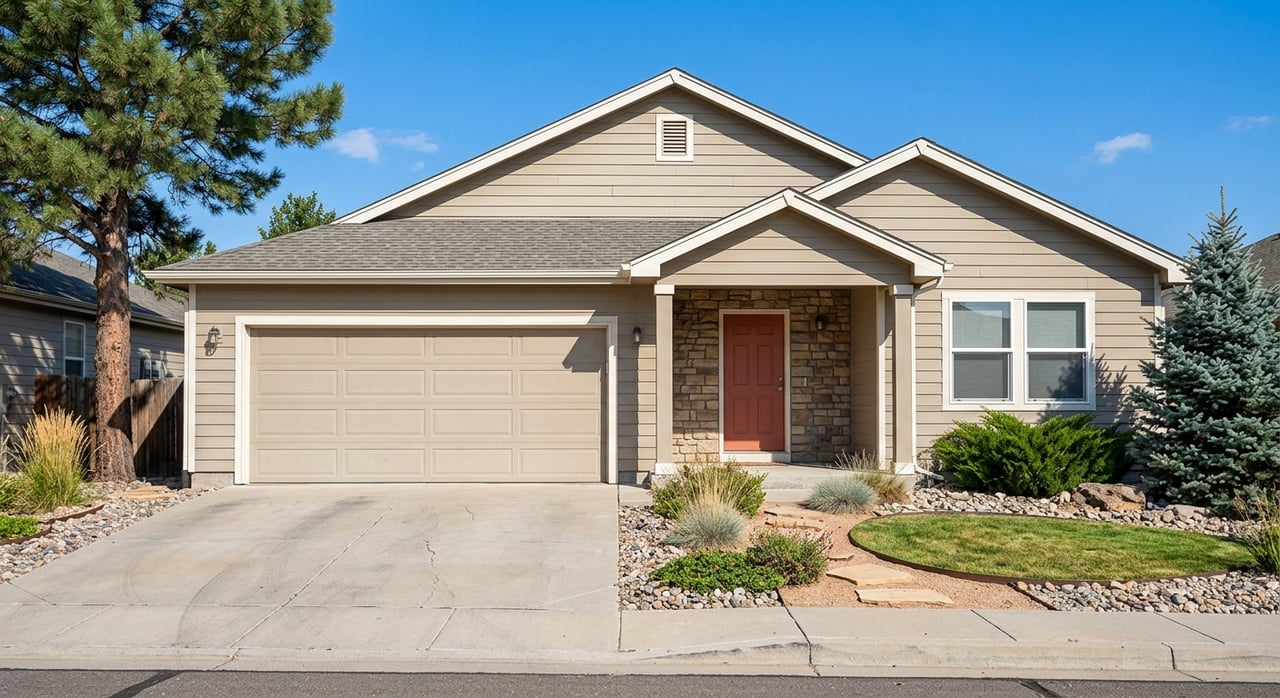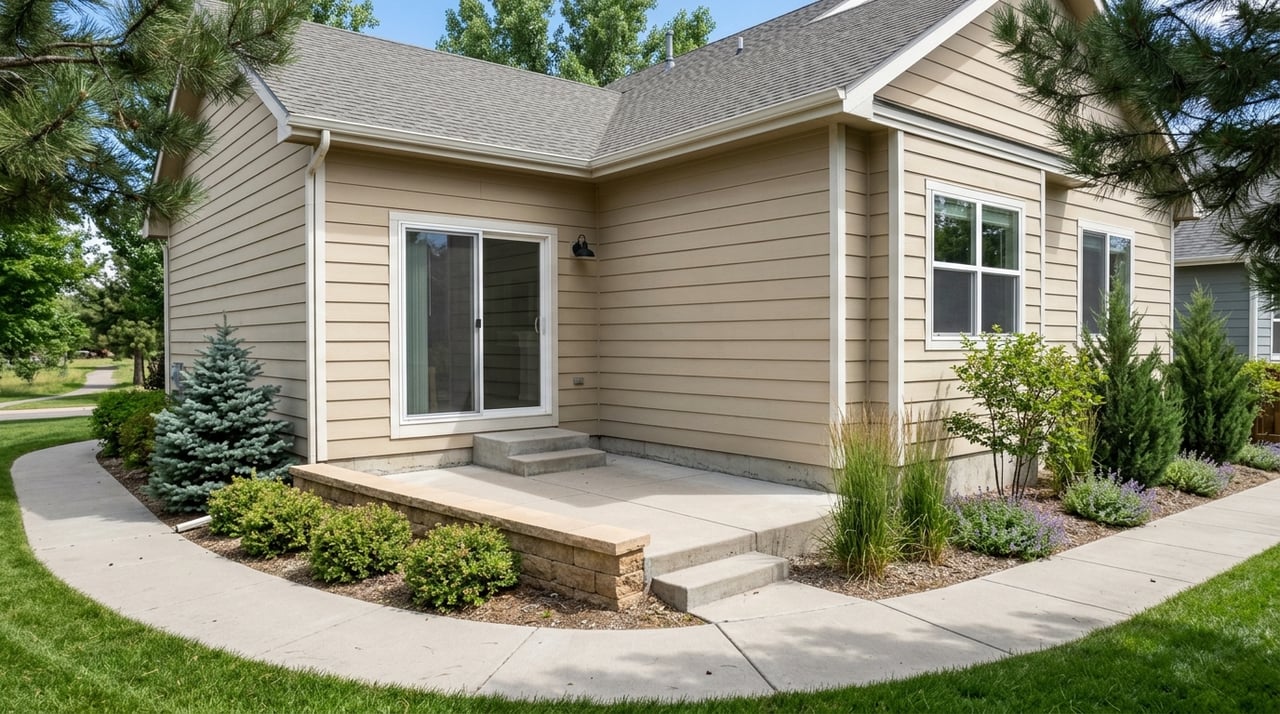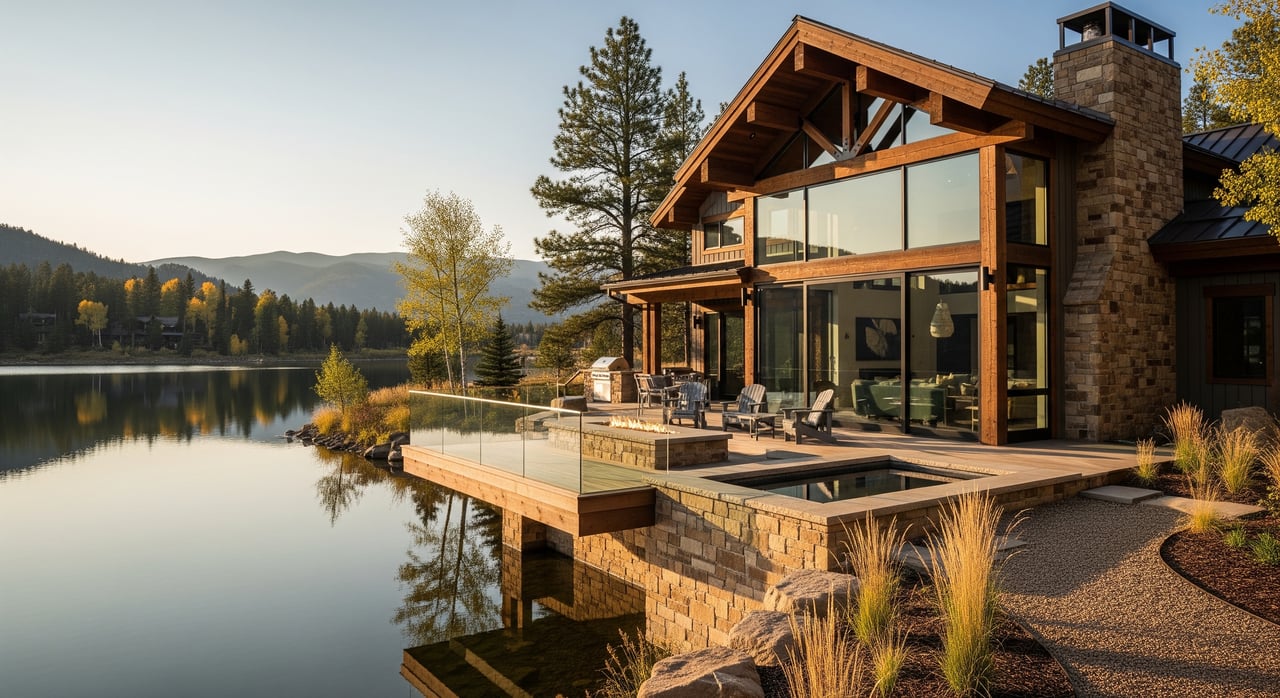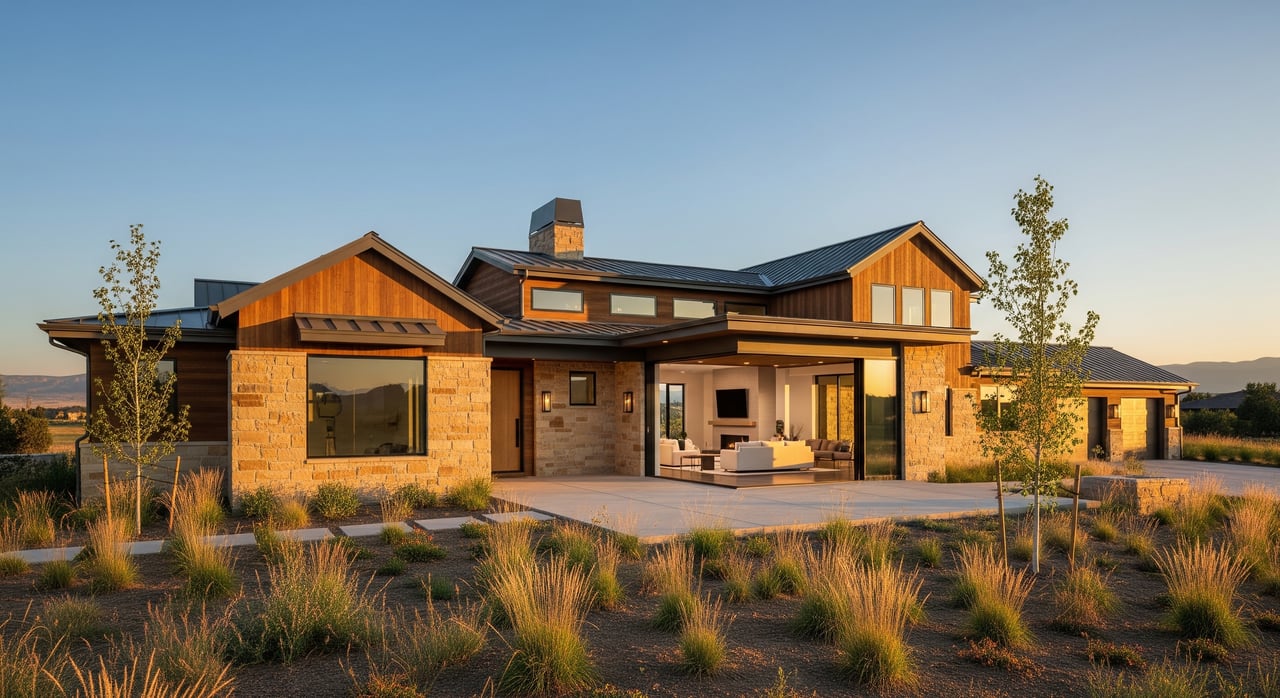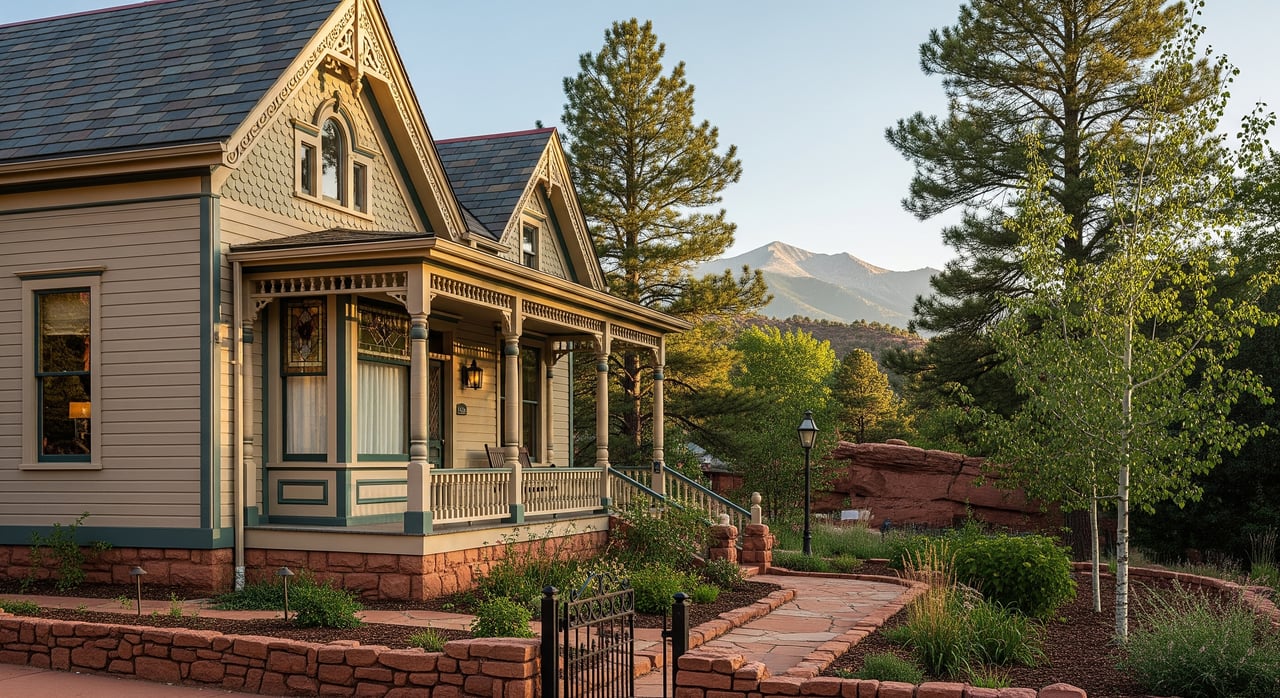
Love the look of low rooflines, picture windows, and warm wood tones from the 1950s and 60s? If you are drawn to mid‑century style, Littleton quietly offers some of the Denver area’s best pockets to find it. You want character, but you also want to buy with eyes wide open about inspections, permits, and smart updates. In this guide, you will learn where to look, how to recognize true period details, what to inspect, and which renovations bring the most value. Let’s dive in.
What “mid‑century” means in Littleton
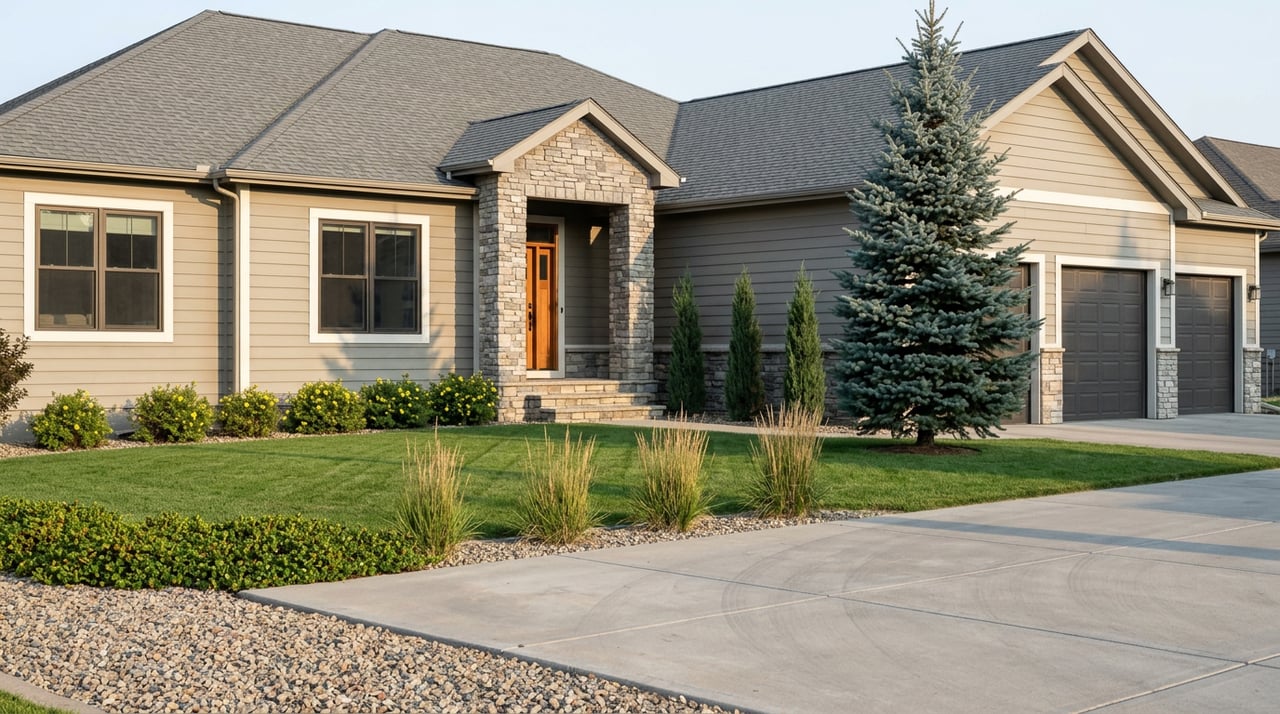
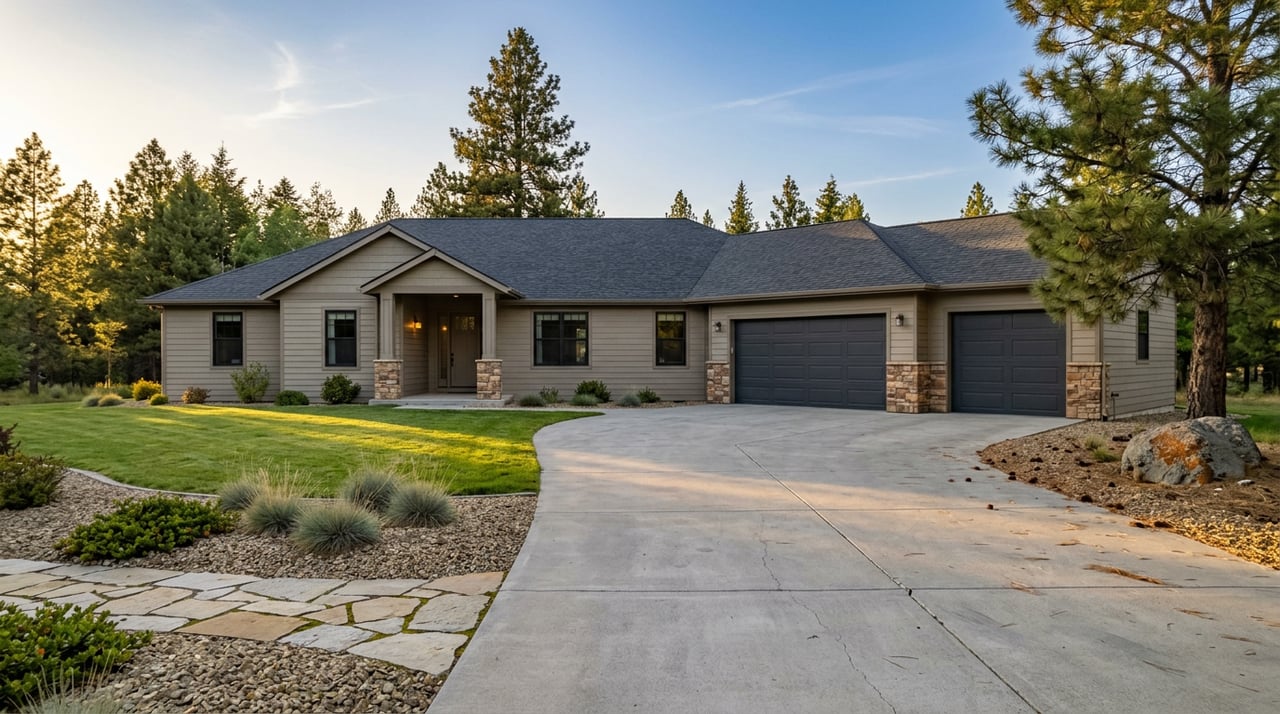
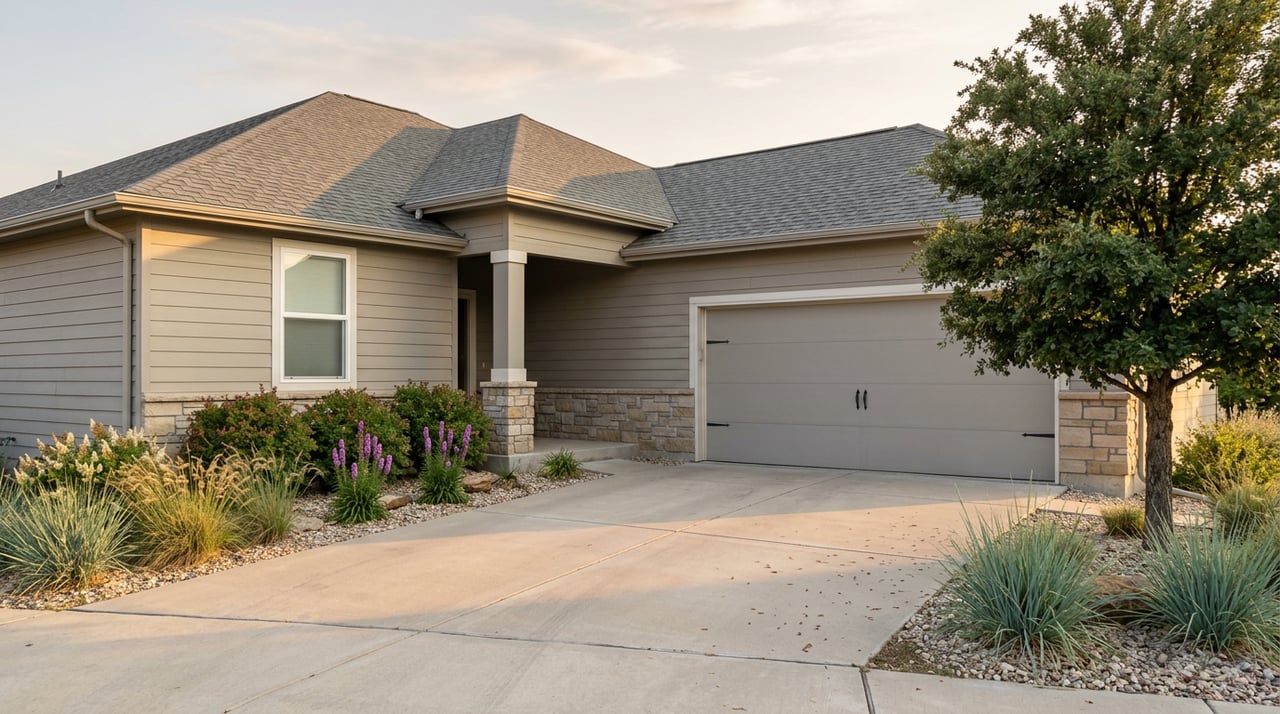
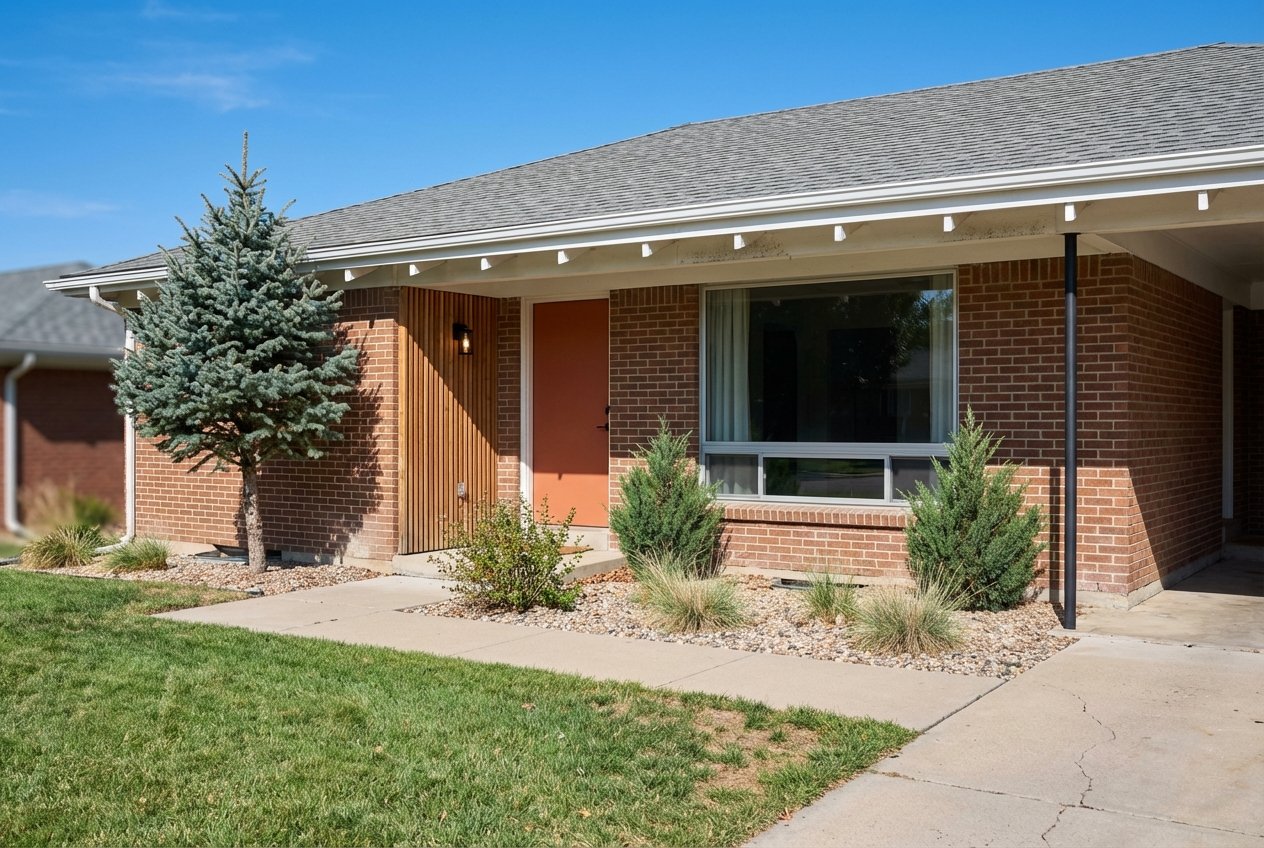
In Littleton, most mid‑century homes were built from the mid‑1950s through the early 1970s. You will find single‑story ranches with basements, split‑levels that maximize compact lots, and true mid‑century modern designs with post‑and‑beam framing and glass walls. Many streets feature mature trees and established lots that appeal to buyers who want space and a calmer neighborhood feel.
One standout is Arapaho Hills, a compact, design‑forward enclave with late 1950s to early 1960s homes. The neighborhood is listed on the National Register and is well known for preserving Usonian and International Style traits. If you want a deeper sense of its design heritage and community priorities, visit the Arapaho Hills neighborhood site.
Where to find them in Littleton
You will see mid‑century and post‑war stock throughout the city. Here are areas that commonly feature it, along with what you can expect to find.
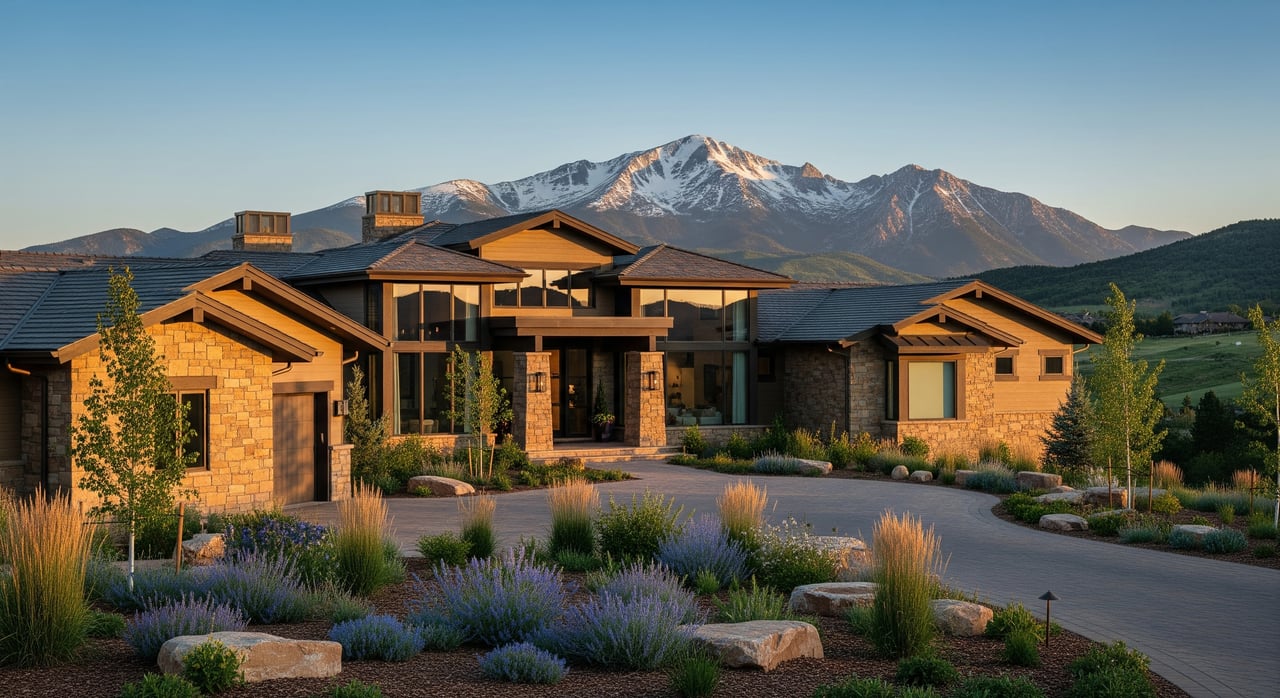
- Arapaho Hills. Architect‑designed mid‑century modern homes, many with clerestory windows, stone accents, and integrated indoor‑outdoor flow. Owners often emphasize thoughtful preservation. Learn more from the Arapaho Hills neighborhood resources.
- Normandy and Normandy Estates. Southwest Littleton pockets with 1950s to 1970s ranches and split‑levels on larger lots.
- Broadway Estates. Primarily mid‑century ranches with practical floor plans and room to expand.
- Columbine Knolls and nearby streets. Larger tracts with 60s and 70s ranch and split‑level homes, many ready for modernization.
- Around Progress Park, Sterne Park, and parts of Historic Downtown Littleton. Scattered 1950s to 1970s homes with period touches, proximity to parks, and a connected neighborhood grid.
Nearby Bow Mar and Columbine Valley also influence the market for mid‑century homes. While they are separate jurisdictions, they can serve as helpful comparison points when you price and evaluate options in Littleton.
Hallmark features to spot
Understanding the visual vocabulary helps you identify value and avoid over‑spending on changes that fight the architecture.
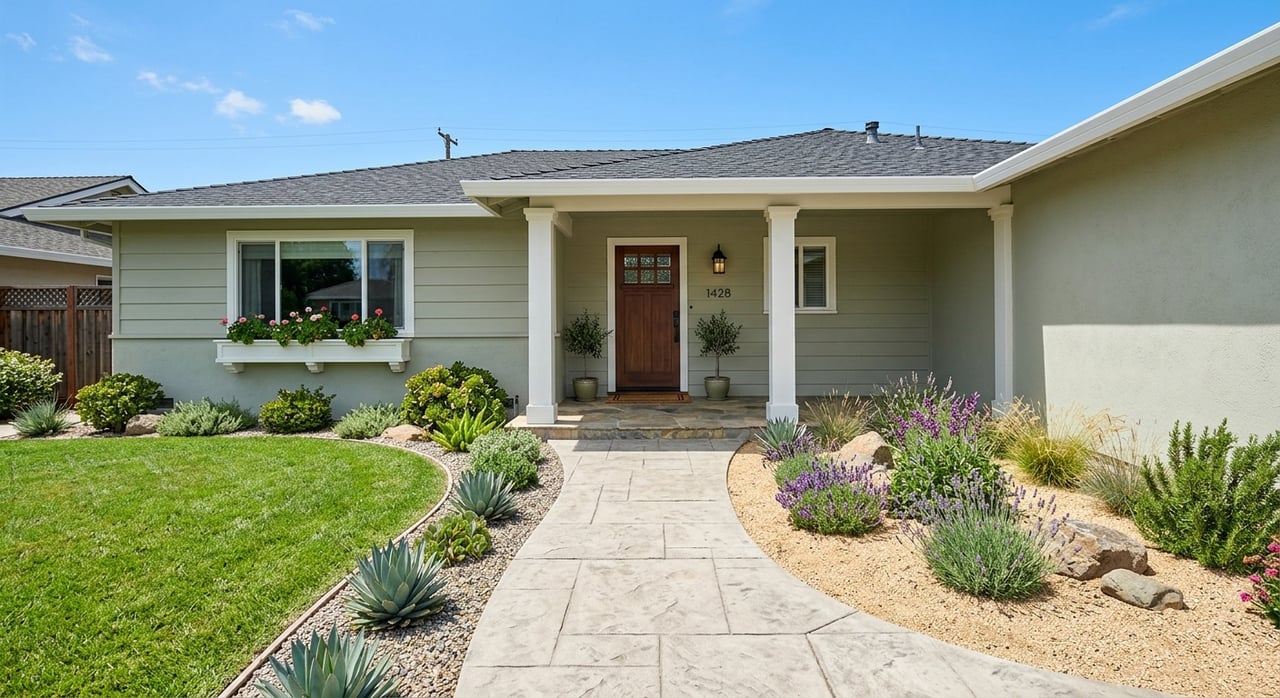
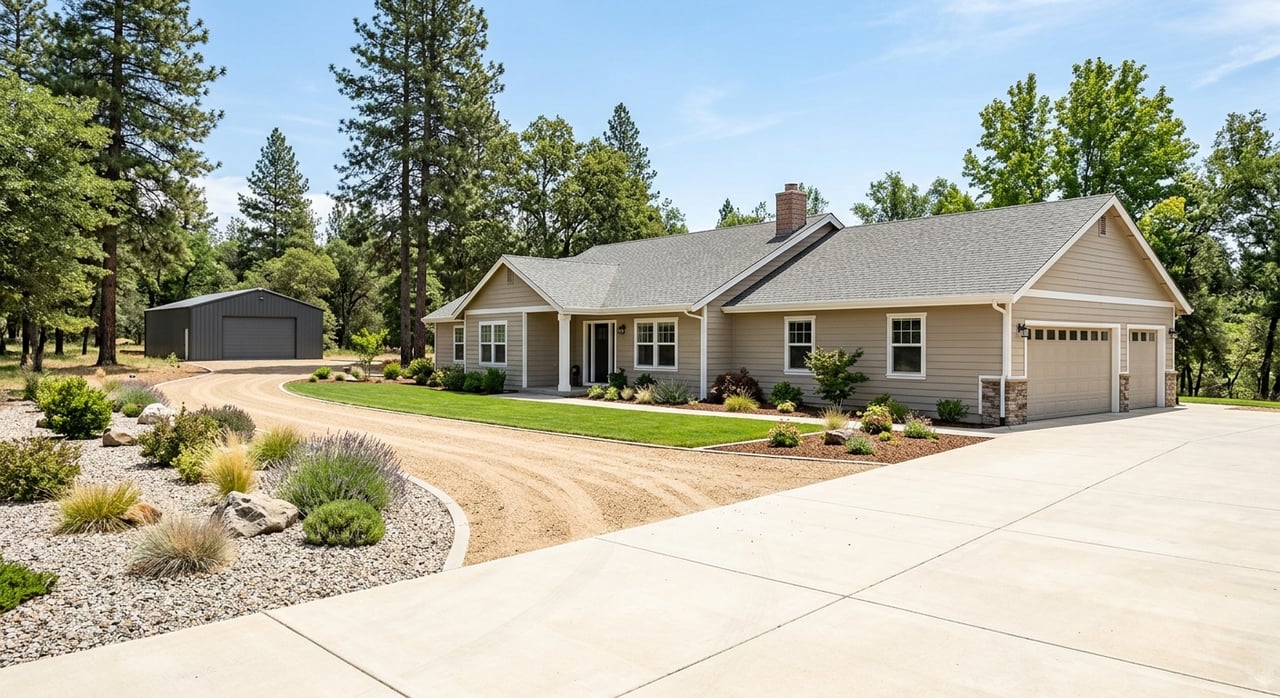
- Ranch and rambler plans. Single‑story living with a basement or walk‑out on sloped lots. Expect long, horizontal profiles and combined living‑dining areas. See common forms described in this historic context overview of mid‑century types.
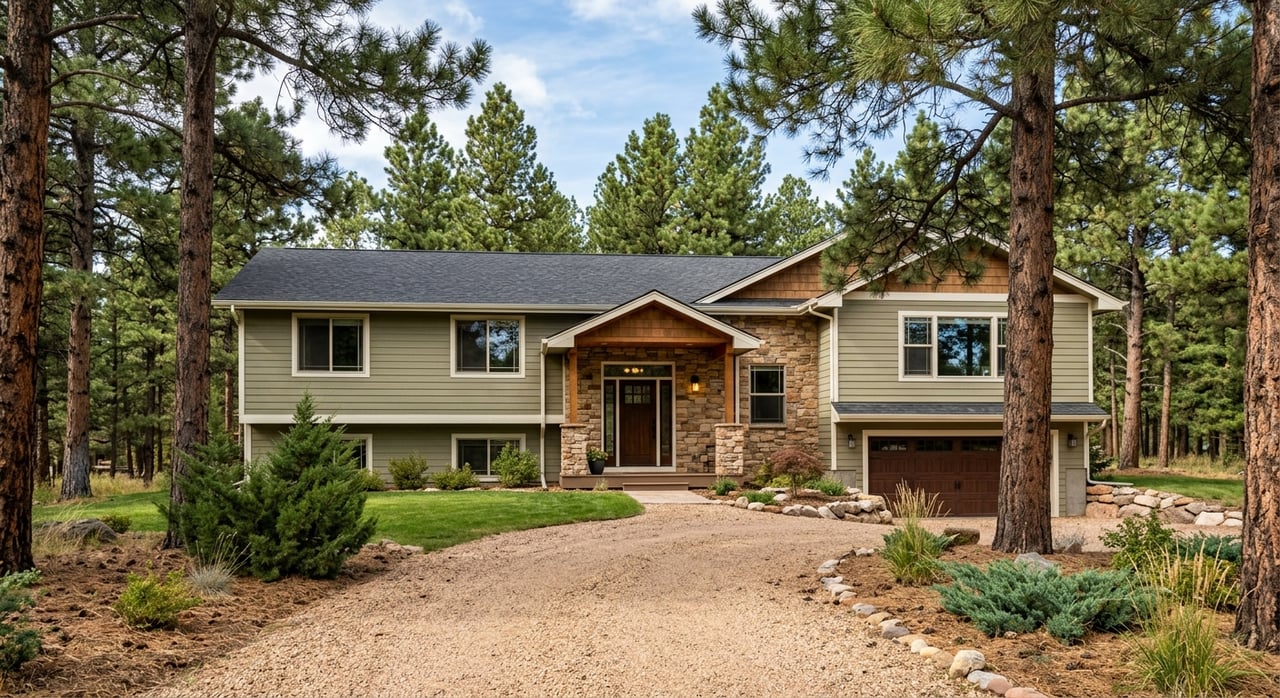
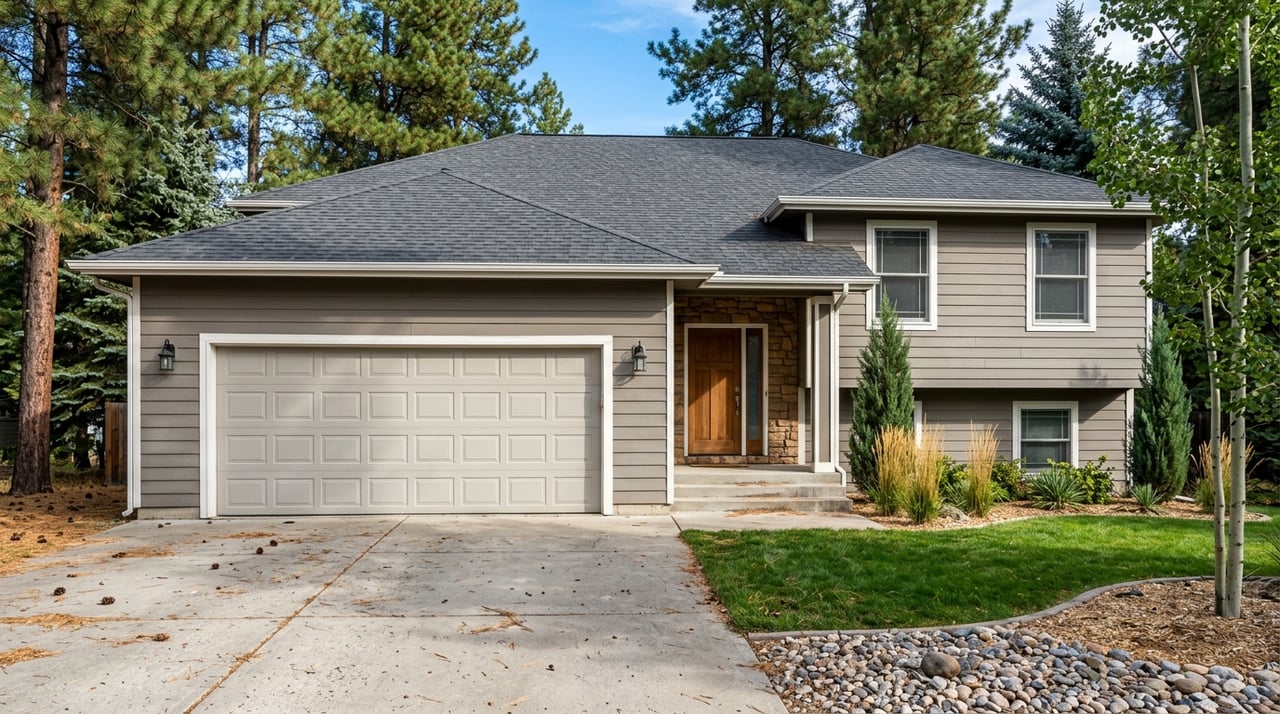
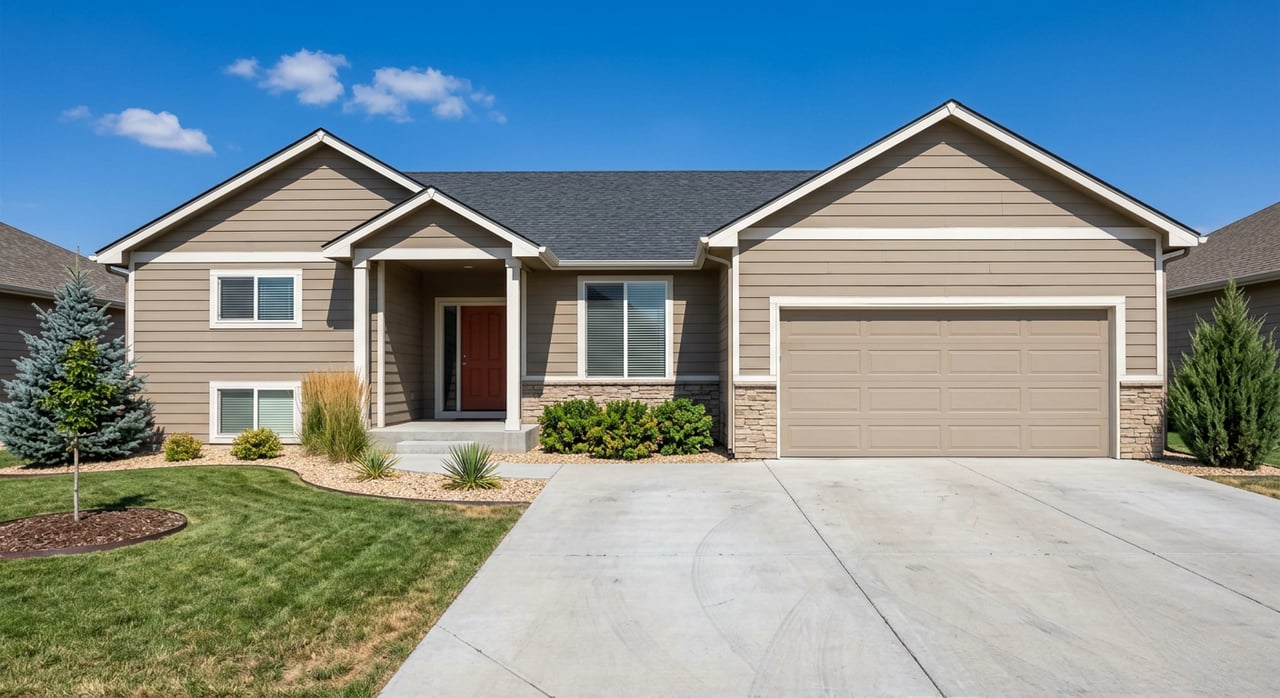
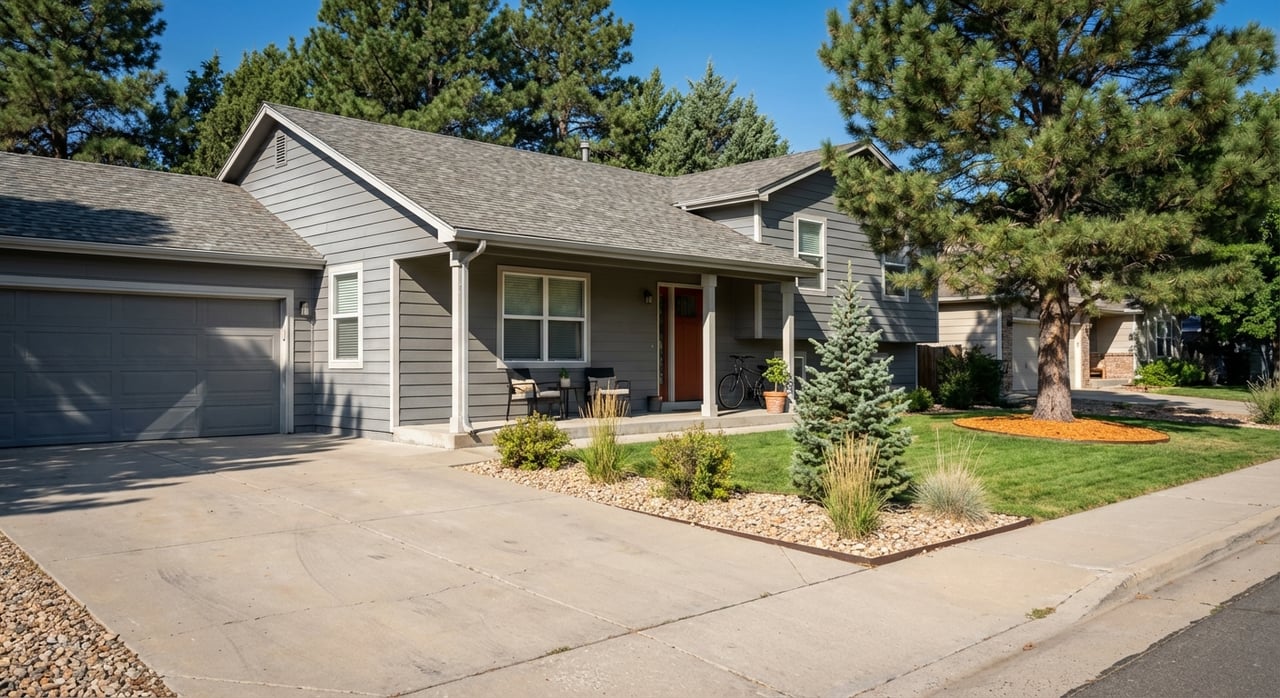
- Split‑level and tri‑level layouts. A mid‑century answer to compact lots and sloped sites. Garages and utility at the lowest level, main living a half‑flight up, and bedrooms above. This format shows up across Littleton’s post‑war neighborhoods and provides clear zones for daily life.
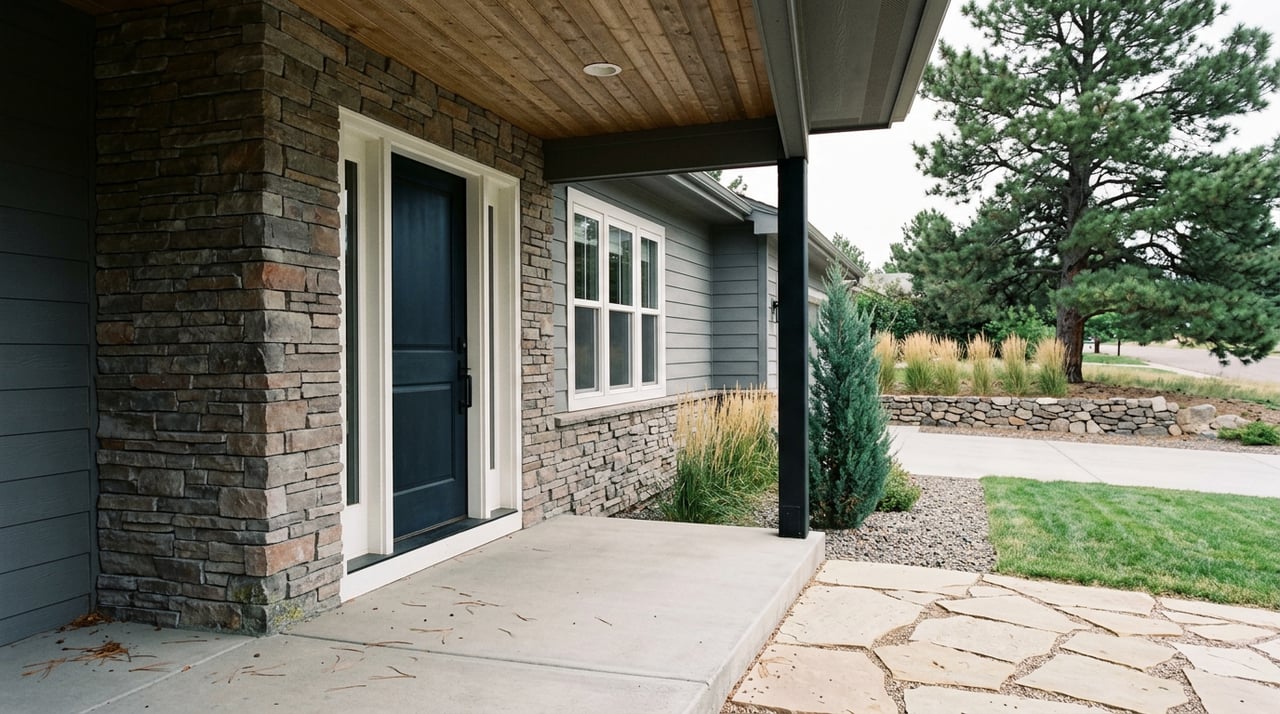
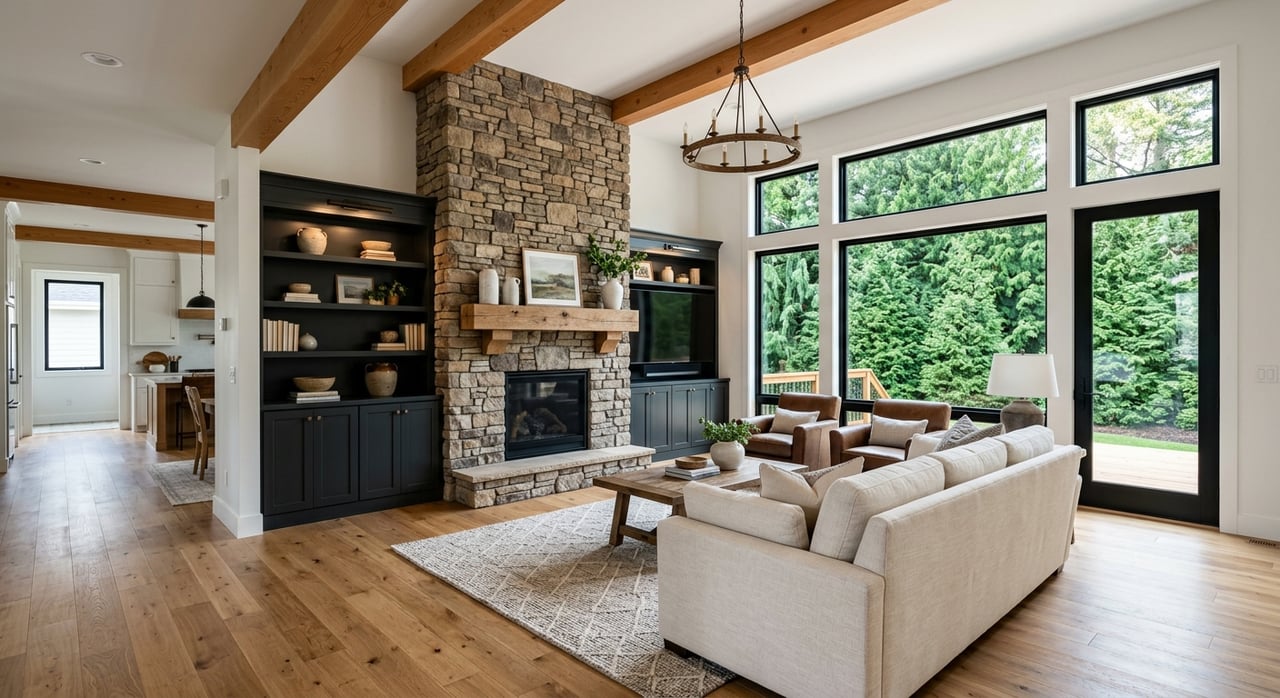
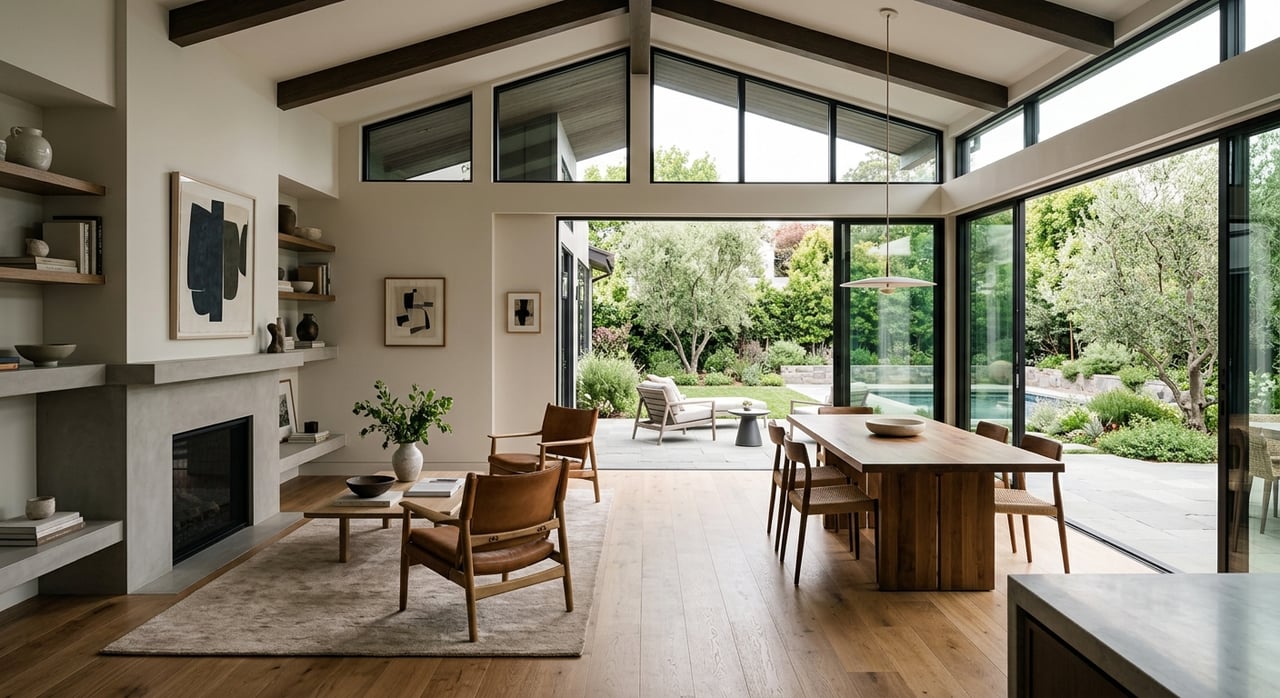
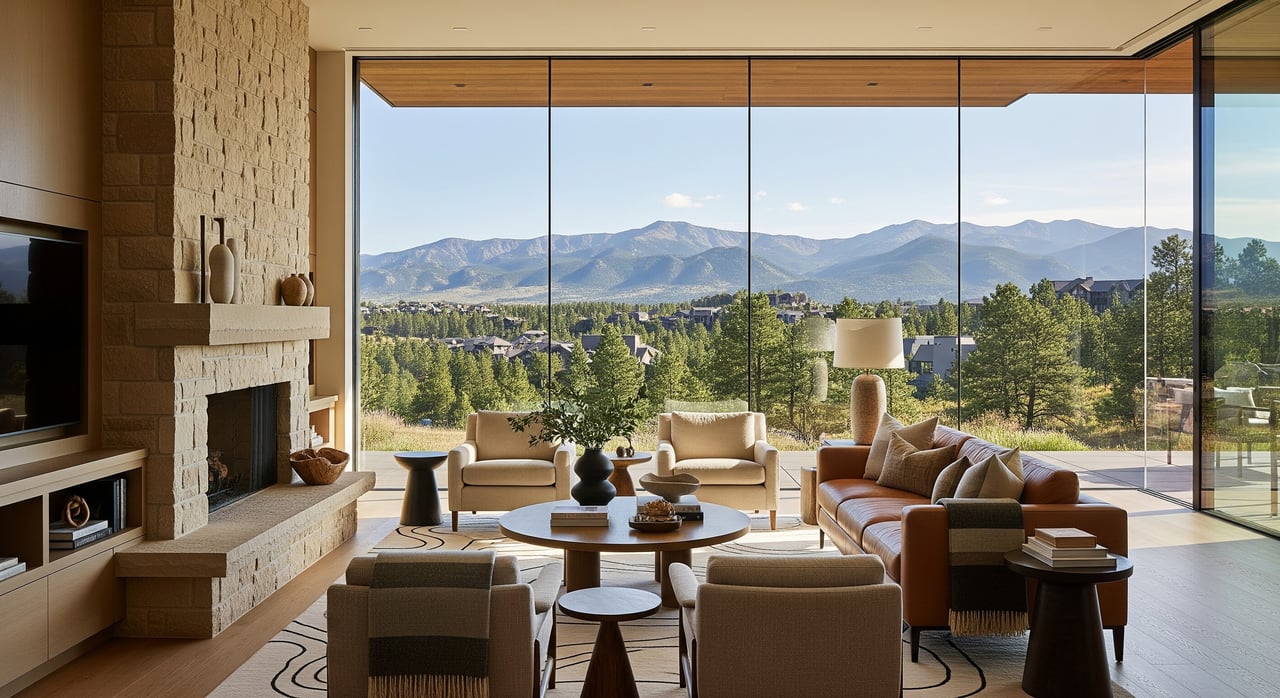
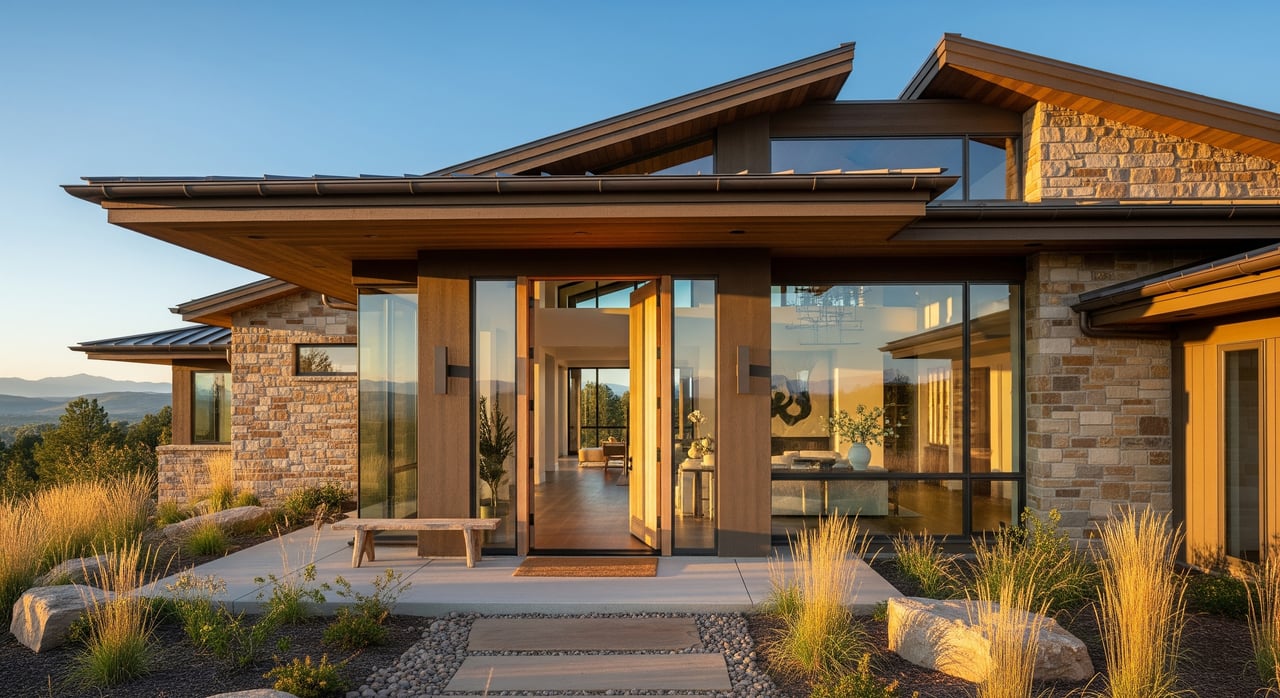
- Post‑and‑beam details. Look for exposed beams, tongue‑and‑groove wood ceilings, clerestory windows, and picture walls of glass. These character‑defining features are common in Littleton’s more architect‑driven pockets. Arapaho Hills examples often include them, along with locally sourced stone accents noted by the Arapaho Hills neighborhood resources.
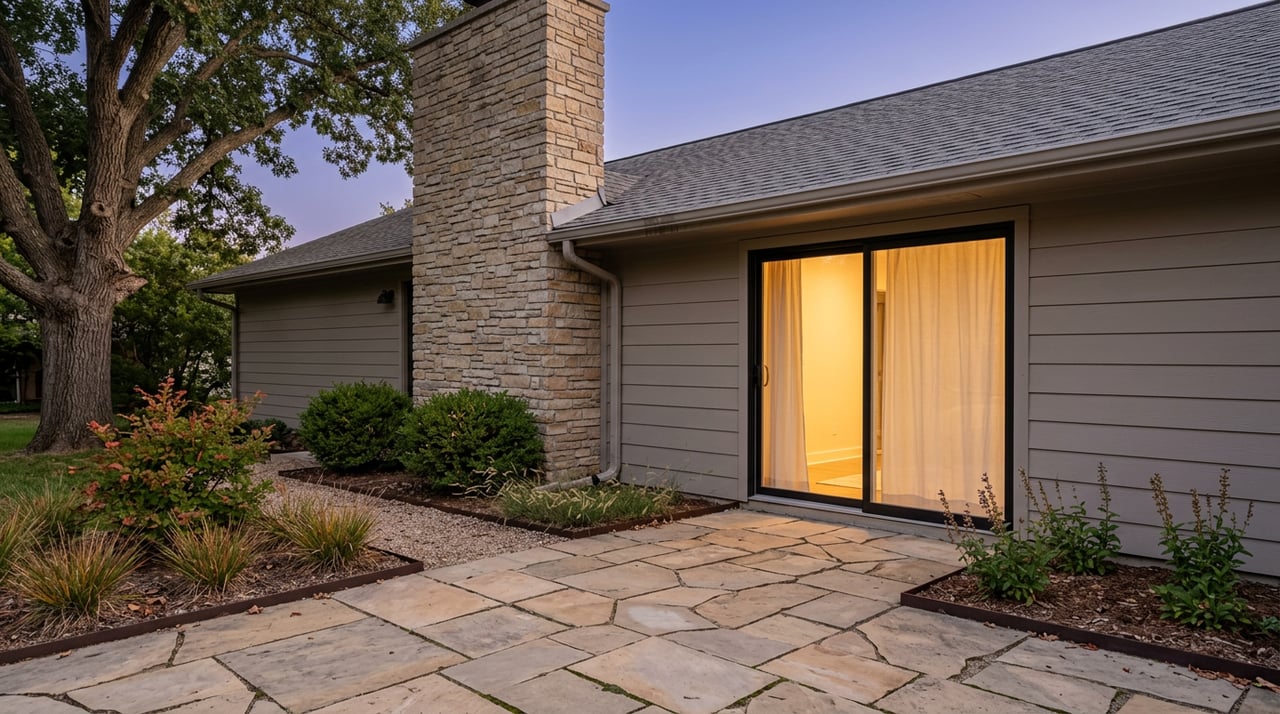
- Exterior materials. Rhyolite or other stone veneer used as focal walls, wood siding, and original built‑ins. Single‑pane windows and sliding doors are common. Upgrading windows improves comfort and energy performance, but it is best to preserve original proportions so the facade still reads mid‑century.
Inspection checklist for older homes
Mid‑century homes can be comfortable and durable, but you should plan a careful inspection process. Use these steps to protect your budget and safety.
General home inspection
Schedule a full buyer’s inspection with a licensed professional who reviews structure, roof, electrical, plumbing, HVAC, and drainage. If you see significant foundation cracks or signs of movement, bring in a licensed structural engineer to evaluate. Local inspector guides outline common red flags you should not ignore, such as failing laterals, dated panels, and moisture issues, as explained in this inspection red flags overview.
Radon testing and disclosure
Radon is common along Colorado’s Front Range. The state strongly recommends testing, and Colorado’s SB23‑206 requires radon disclosure in residential sales and leases. Plan for a short‑term test during your inspection period and understand mitigation options. For guidance on testing and action levels, review CDPHE’s radon page. You can also read the legislative text of SB23‑206.
Lead‑based paint
Homes built before 1978 may contain lead paint. Federal rules require that buyers receive the EPA pamphlet and a 10‑day window to test for lead in a typical sales contract. If your renovation will disturb old paint, hire EPA‑RRP‑certified contractors or require lead‑safe work practices. See the EPA’s guide, Protect Your Family from Lead in Your Home.
Asbestos screening
Some textured ceilings, floor tiles, pipe insulation, and older siding or roofing can contain asbestos. If you plan to remove or disturb suspect materials, arrange testing and follow all rules for handling and disposal. Learn more in the EPA’s asbestos guidance for residential materials.
Sewer scope
Older neighborhoods often use cast‑iron or clay sewer laterals that can corrode or allow root intrusion. A video sewer scope helps you avoid surprise repairs that can cost several thousand dollars. This simple add‑on can be one of the best returns during due diligence, as noted in inspection red flags commentary.
Electrical system review
Ask your inspector to evaluate service size, grounding, panel brand, breakers, and visible wiring. Undersized service, ungrounded two‑prong circuits, and certain legacy panel brands are common in mid‑century homes and may need upgrades to support modern loads safely. The inspection red flags overview provides helpful context.
Roof and drainage
Many mid‑century homes use low‑slope or shallow‑pitch roofs and broad overhangs. These systems age differently than steep asphalt roofs. Have an inspector check membranes, flashing, gutters, downspouts, and site grading to make sure water moves away from the house. A historic context reference outlines how these roof types behave in practice in this mid‑century forms overview.
Foundation and moisture
Front Range soils and freeze‑thaw cycles can cause movement. Watch for stair‑step or horizontal cracks, heaving, signs of past patching, or musty odors in basements. If concerns appear, bring in a structural or foundation specialist before your objection deadline. The inspection red flags overview lists common symptoms to consider.
HVAC and insulation
Expect aging furnaces or limited ductwork in some 1950s homes. Single‑pane windows and modest insulation are typical. Budget for energy upgrades that improve comfort and reduce operating costs over time. Your general inspection should include system age and condition, venting, and filter access.
Negotiation tip
Order radon testing and a sewer scope up front. Use inspection findings to request repairs, a seller credit, or a price adjustment. For major structural issues, ask for contractor or engineer documentation to support the remedy.
Renovation priorities and ballpark costs
The best renovations respect the home’s clean lines and indoor‑outdoor flow while upgrading comfort and function. Always obtain 2 to 3 local written bids, since costs vary by scope and site conditions.
- Radon mitigation. Typical professional systems in the Denver area often range from about $800 to $2,500. Complex layouts or crawlspaces tend to cost more. See regional ranges in this Angi cost guide for Denver.
- Windows. Replacing single‑pane units with double‑pane windows can significantly improve comfort. Preserve original sightlines and proportions where possible to keep the facade authentic. Per‑window pricing varies widely by size, spec, and install complexity.
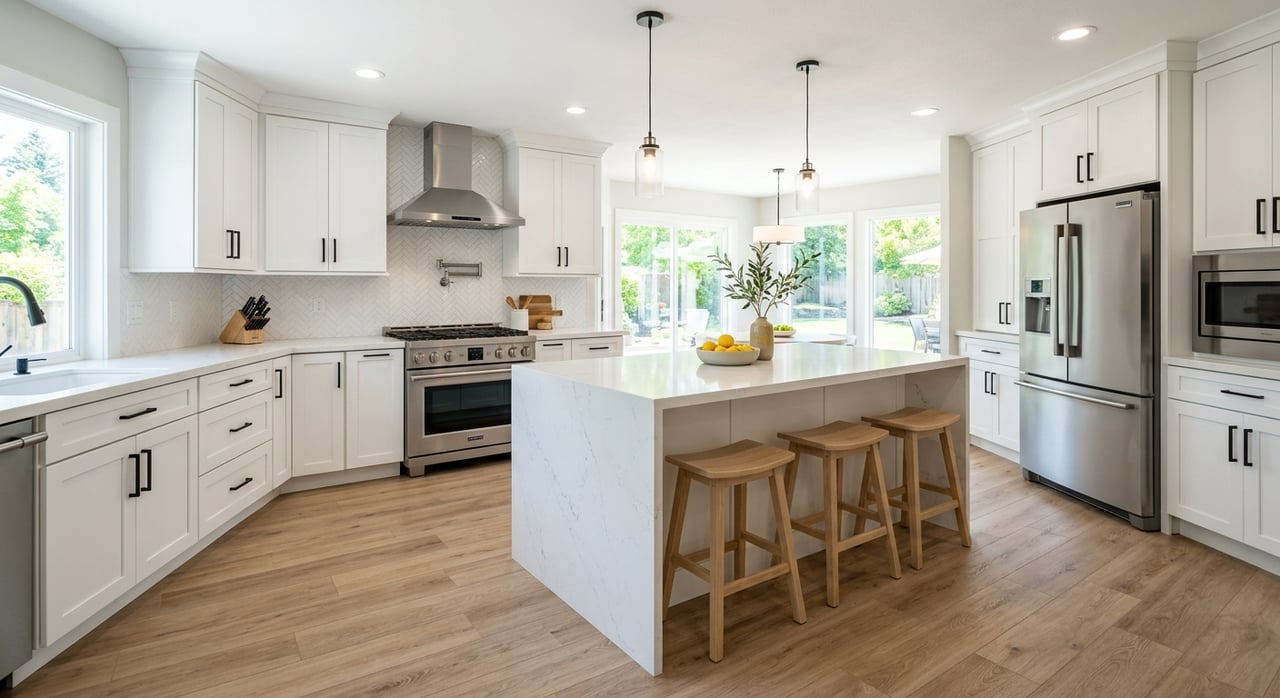
- Kitchen modernization. Many buyers add an island and open the kitchen to the living area without removing key structural elements. Budgets can start in the mid‑$20,000s and rise with custom cabinetry, high‑end appliances, and layout changes.
- Bathrooms. Expect to add storage, enlarge showers, and update tile and fixtures. Scope ranges from modest refreshes to full reconfigurations with new plumbing.
- HVAC and insulation. A high‑efficiency furnace, added air conditioning, air sealing, and insulation upgrades offer noticeable comfort gains in older envelopes.
- Roof work. Replacing a low‑slope membrane or an aging asphalt roof depends on size, pitch, and details. Expect a wide cost range that tracks with materials and complexity.
- Foundation or structural repairs. Minor fixes may cost thousands. Heavier engineered solutions can reach into the tens of thousands. The inspection red flags overview explains why an engineer’s scope is essential before you commit.
Permits, historic context, and design fit
Plan to pull permits for structural, electrical, plumbing, and many exterior changes. The City of Littleton details submittals and review steps on its Permits, Review Guides, and Requirements page. If a property sits in or near a designated historic area, review the city’s Historic Landmarks and Districts resources before you start design.
If you are shopping in Arapaho Hills, remember that many owners value preservation and period‑appropriate updates. The Arapaho Hills neighborhood site shares background on the district’s National Register listing and the features that define its character.
Mid‑century vs new builds
Price varies by location, condition, and architectural significance. An intact mid‑century modern in an established Littleton pocket can command a premium. A classic ranch that needs updates can be more affordable than some new construction. Check current local comps and remember that both inventory and demand can shift quickly.
Lifestyle is where mid‑century homes often shine. You typically gain larger, mature lots and a stronger connection to neighborhood amenities. You also get distinctive character that many buyers prize, such as stone accent walls, warm wood ceilings, clerestories, and built‑ins. In return, you should plan for some mechanical and efficiency upgrades that most new builds already include.
How we help you buy in Littleton
Buying a mid‑century home calls for a steady plan. Here is how we guide you from search to closing.
- Neighborhood targeting. We help you focus on streets and pockets that fit your taste, commute, and budget.
- Smart due diligence. We connect you with trusted inspectors and specialists for radon, sewer scopes, and structural or environmental questions, then help you prioritize next steps.
- Renovation road map. We talk through projects that add comfort and value without fighting the home’s design.
- Negotiation and timing. We use findings to shape offers and concessions, keeping your interests front and center.
Ready to explore Littleton’s mid‑century homes with a team that combines boutique service and modern tools? Connect with Brent & Jen Patterson to start your search.
FAQs
What Littleton neighborhoods have mid‑century homes?
- Look in Arapaho Hills for architect‑driven mid‑century moderns and in areas like Normandy, Broadway Estates, Columbine Knolls, and around Progress and Sterne Parks for 1950s to 1970s ranches and split‑levels.
Are mid‑century homes energy efficient in Colorado winters?
- Many have single‑pane windows and modest insulation, so plan for window upgrades, air sealing, insulation, and HVAC improvements to boost comfort and reduce utility costs.
What inspections should I order for a 1960s Littleton home?
- Schedule a general home inspection, radon test, sewer scope, electrical review, and screening for lead paint and asbestos if you plan to disturb old materials.
Do I need permits to remodel a mid‑century ranch in Littleton?
- Yes for most structural, electrical, plumbing, and many exterior projects; confirm requirements on the city’s permit guidance page.
How much does radon mitigation cost near Denver?
- Basic systems often range about $800 to $2,500 depending on the home’s layout and foundation type, according to this Denver‑area cost guide.