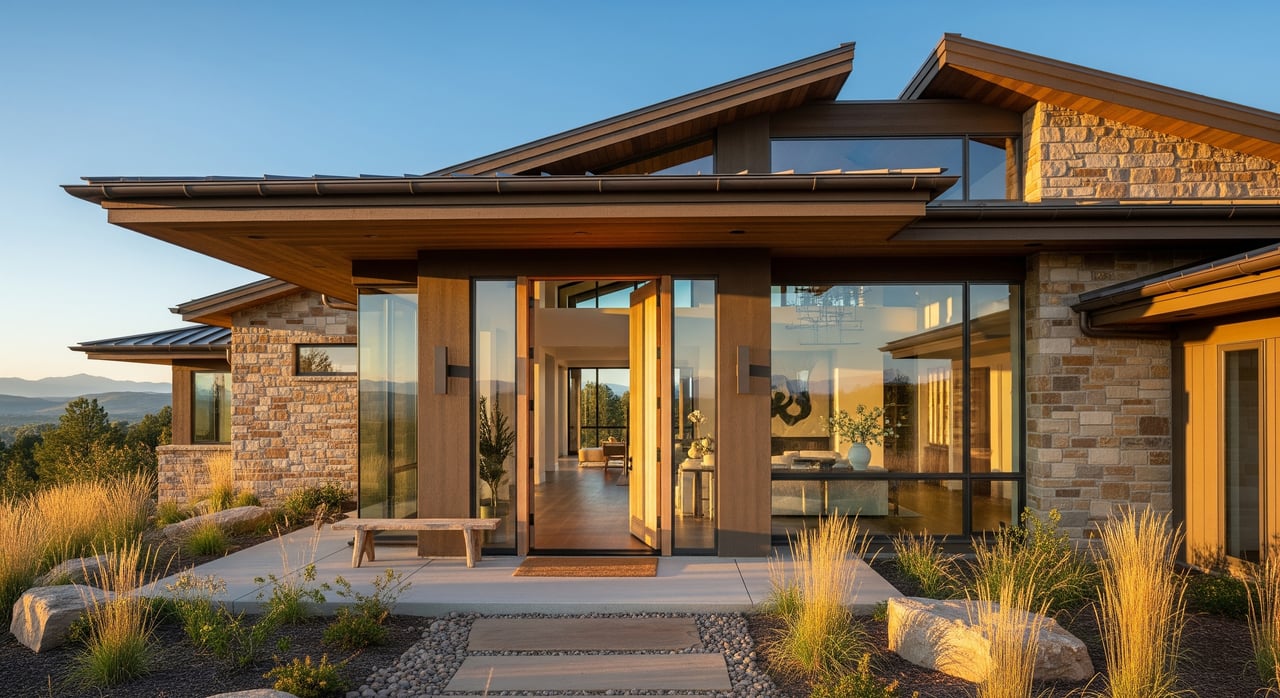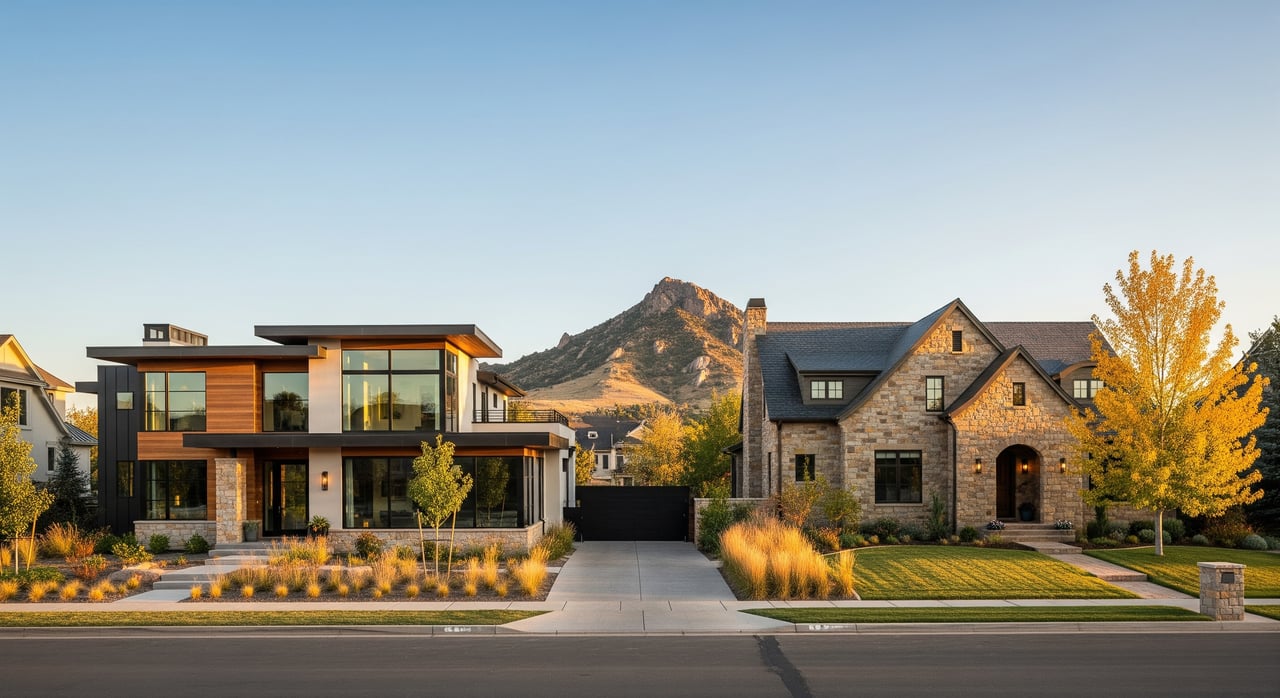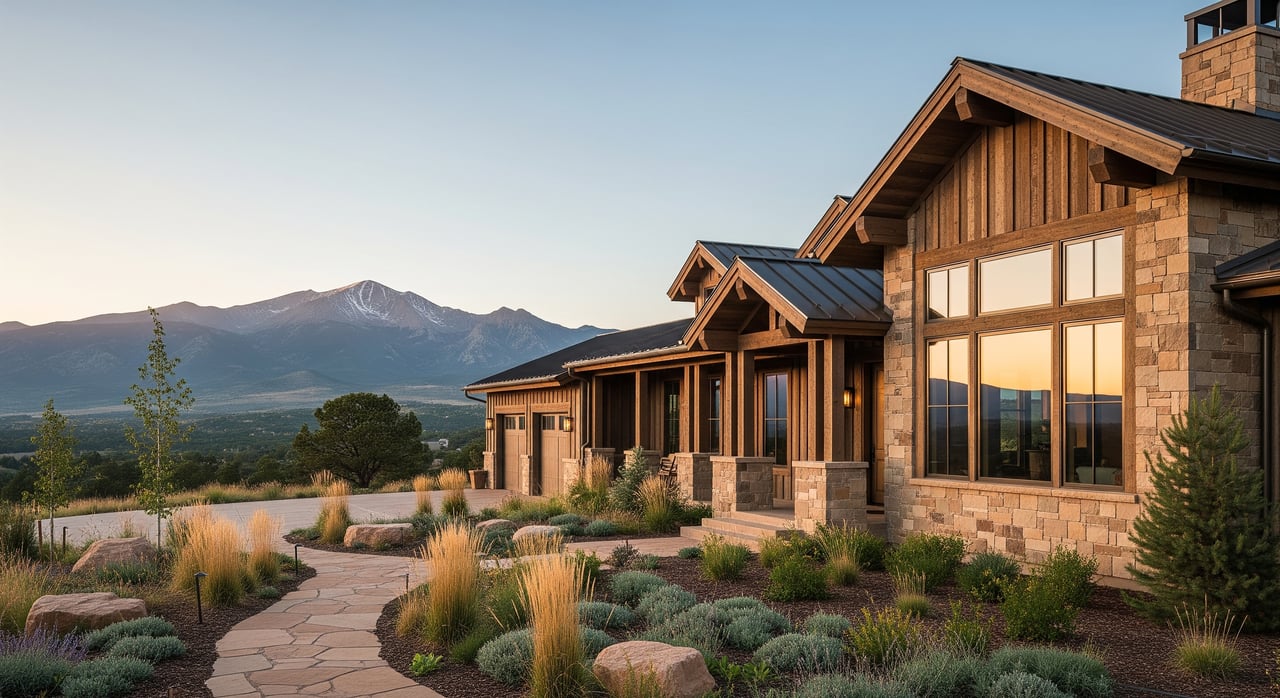
Wondering if life on acreage in Falcon means wide-open freedom, or just a longer to-do list? The truth is, it can be both. If you are drawn to more space, room for animals, or a property that feels a little less packed in, Falcon offers real opportunities, but it also comes with responsibilities that are easy to underestimate. This guide will help you understand what acreage living in Falcon can actually look like, what tradeoffs come with it, and how to evaluate whether it fits your goals. Let’s dive in.
Why Falcon appeals to acreage buyers
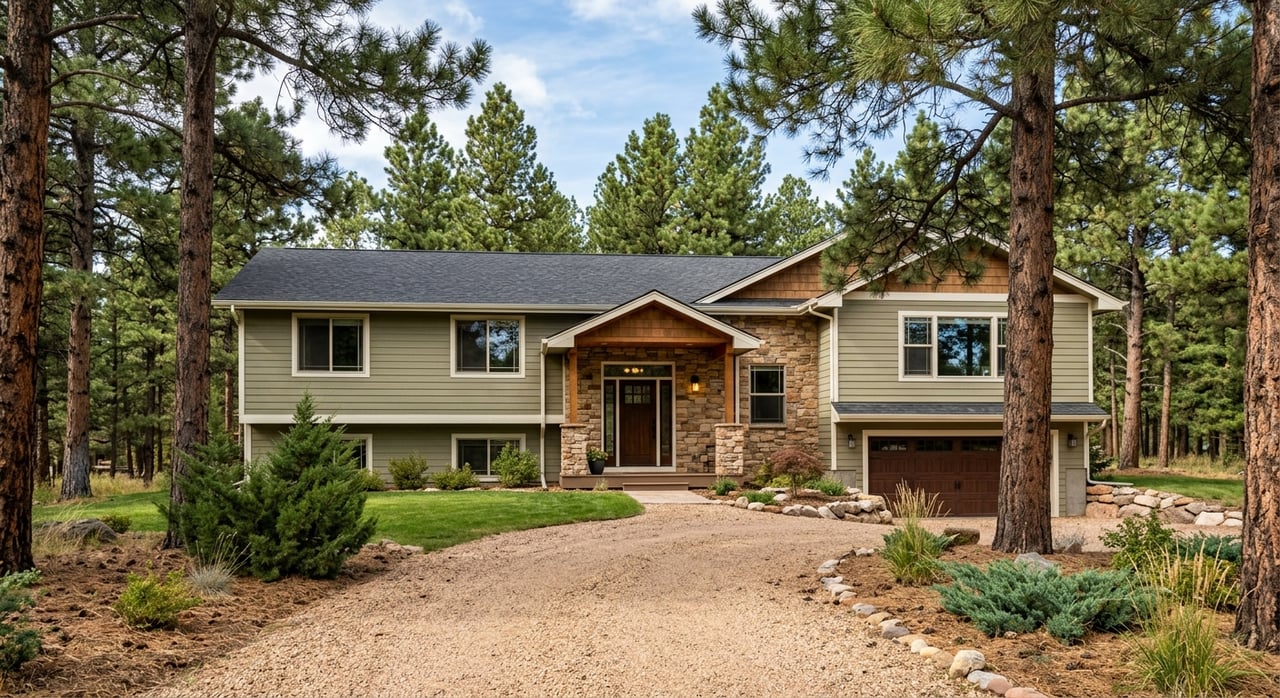
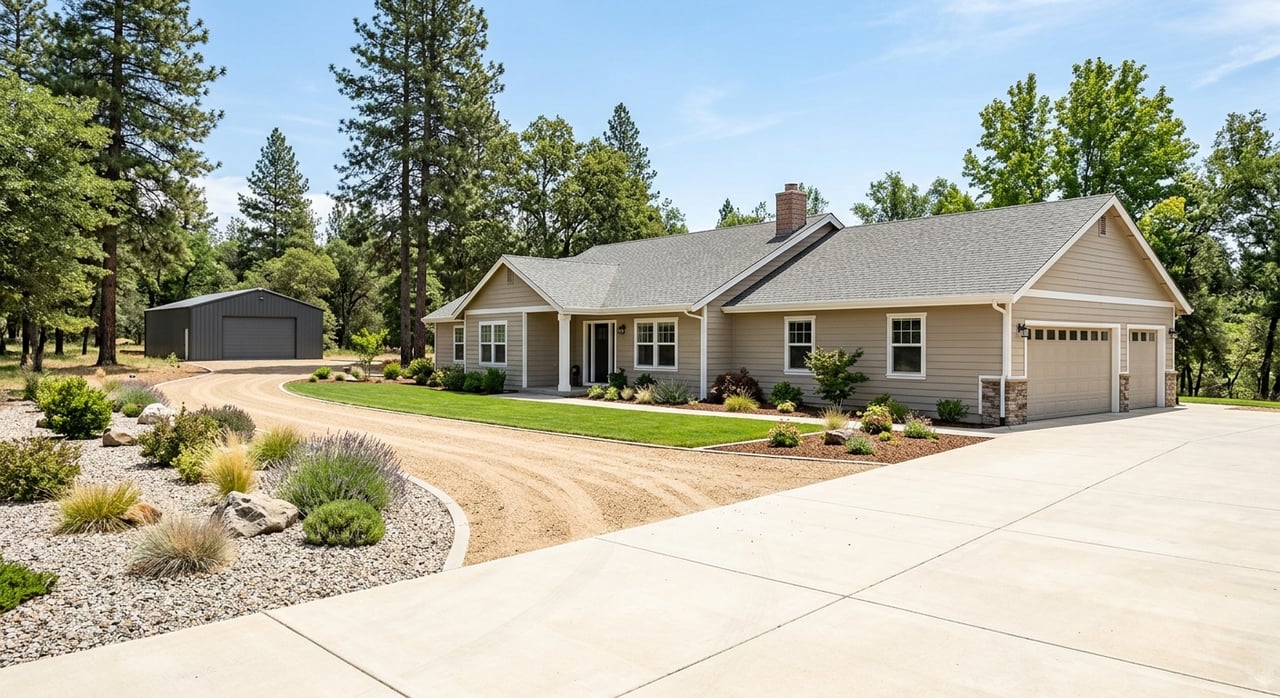
Falcon holds a unique place in El Paso County. County planning materials describe it as the most-established regional center in unincorporated El Paso County, which gives you a mix of rural land patterns and everyday convenience that many buyers are looking for. At the same time, the area still reflects the county’s rural residential framework, where lots often range from 2.5 to 10 acres and may rely on individual wells, septic systems, and sometimes unpaved roads, according to El Paso County planning materials.
That setup can create a lifestyle that feels more open and flexible than a typical subdivision. You may have more privacy, more room between homes, and more space for hobbies that are hard to accommodate on a smaller lot. But Falcon acreage is not one single product, and the day-to-day experience can vary a lot from one property to the next.
What more land can give you
For many buyers, the biggest draw is simple: space. More land can mean room for a large garden, detached outbuildings, extra parking, or a property layout that gives you breathing room. If you have been looking for a home where the lot itself is part of the lifestyle, acreage may offer that in a way a standard neighborhood lot cannot.
County code also allows some uses that appeal to buyers seeking a more flexible setup. El Paso County defines a hobby farm as land where livestock, animals, birds, or crops are raised incidentally to the residential use, and it allows rural home occupations on parcels of 5 acres or more, subject to county standards and, in some cases, special-use review, as outlined in the El Paso County Land Use Code.
That does not mean every acreage property will work for every plan. It does mean Falcon can offer options for buyers who want a little more flexibility in how they use their property, as long as they verify what is actually allowed before they buy.
Horse and hobby-farm considerations
If your dream includes horses, corrals, barns, or a small-scale hobby farm setup, Falcon can be appealing. El Paso County’s code is generally favorable for horse-oriented properties, but it is still structured by rules. The county treats horses as part of private or commercial stable uses, and corrals and barns must meet standards for setbacks, cleanliness, and manure management under the county development code.
The county also notes there is no specific horse-count limit in zoning districts that allow private stables and corrals. Even so, buyers should not assume that means unlimited use. Site layout, code requirements, drainage, and covenant restrictions can all affect what is practical on a given parcel.
Animal rules also change on smaller residential lots. In residential districts under 2.5 acres, the county allows only a reasonable number of hens, does not permit roosters, and treats more than four dogs or cats on the same property as a kennel under the same animal-use standards.
Daily life on acreage in Falcon
Acreage living often sounds peaceful, and for many owners it is. But daily routines can look different than they do in a more connected neighborhood. County planning staff note that Falcon-area residents often drive for routine goods and services because public transportation is limited, based on the county’s Falcon area planning materials.
That matters more than many buyers expect. If you are moving from a neighborhood where services are close by, acreage life may require more planning for errands, commutes, deliveries, and winter travel. Some buyers love that tradeoff because the extra space is worth it, while others prefer a property with fewer moving parts.
Recreation is still close by
Living on more land does not mean giving up access to public open space. Falcon Regional Park offers 215 acres of county recreation, and the Rock Island Regional Trail connects the Falcon and Peyton area. If outdoor access is part of what draws you east, these nearby amenities can complement the acreage lifestyle.
This can be especially helpful if you want both private outdoor space and public trails or recreation nearby. In other words, you may be able to enjoy your own land without relying on it for every outdoor activity.
Utilities can be a major tradeoff
One of the biggest differences between acreage properties and more typical neighborhood homes is infrastructure. If a home is not connected to district sewer, ownership may include an on-site wastewater treatment system. El Paso County Public Health regulates OWTS for residential and commercial properties that are not serviced by a municipal wastewater system.
Water can be different too. The state notes that private wells typically serve one home, are maintained by the homeowner, and should be tested regularly, according to the same county public health resource. That means utility responsibility can shift more directly to you than it would in a district-served neighborhood.
El Paso County also continues to emphasize long-term water planning in unincorporated areas. In 2025, the county said new developments in unincorporated areas must demonstrate a reliable water supply for 300 years under its water reliability rule, according to the county’s water reliability announcement.
Roads and winter access matter
Road conditions are another practical part of acreage ownership. El Paso County maintains more than 2,000 centerline miles of roads, and about half are gravel. The county provides regular grading, dust abatement, and snow-plowing priorities, but it also notes that Priority 3 residential roads are plowed only when time, funds, and equipment permit, based on the county’s gravel road and road maintenance information.
That does not mean acreage roads are a problem. It means you should understand road type, maintenance responsibility, and winter access before you commit. A home that looks ideal in July may feel different after a snowstorm if road service is limited.
District-served neighborhoods vs. larger-lot acreage
Not every Falcon property works the same way. Some newer neighborhoods rely on metro district infrastructure rather than self-managed wells and septic. For example, Falcon Highlands Metropolitan District says it provides water, sanitary sewer, drainage, landscaping, street improvements, traffic and safety controls, parks, and recreation-related services within its service area in unincorporated Falcon, according to its annual report.
That kind of setup can simplify some ownership tasks, but it can also come with added costs and rules. Falcon Highlands’ covenants require district water and sewer service and landscaping approval, and its budget includes mill levies and water or sewer fees. The same report also notes that Falcon soils can contribute to high groundwater and sump-pump or underdrain conditions in some homes.
By contrast, larger-lot RR-5 or RR-2.5 properties may offer more space and more flexibility, but they can also require more owner involvement. Buyers should verify well and septic feasibility, road responsibility, drainage conditions, and permitted animal uses rather than assuming a rural parcel is unrestricted.
Zoning and covenants both matter
Falcon acreage buyers should look at two layers of rules: zoning and covenants. El Paso County’s zoning conversion table maps RR-5 and RR-2.5 to Residential Rural and A-35 to Agricultural, and the county defines rural development as parcels or lots 2.5 acres or larger with dispersed residential development, agricultural uses, or vacant land in the Land Use Code.
A local example is The Meadows in Falcon, which describes itself as a covenant-protected acreage community with RR-5 zoning and five-acre lots. That is a good reminder that zoning may allow certain uses, while recorded covenants can still impose additional restrictions.
The county’s HOA definition also shows that recorded CC&Rs can create membership, expense-sharing, and lien obligations. So if you are buying acreage in Falcon, it is important to read both the zoning rules and the neighborhood covenants before you make assumptions about animals, outbuildings, fencing, or property use.
Comparing common acreage options
Here is a simple way to think about the main property types you may see in Falcon:
| Property type | What it may offer | What to verify |
|---|---|---|
| Newer district-served neighborhood | Water, sewer, drainage, and some neighborhood services through a district | Mill levies, service fees, design approvals, drainage conditions |
| RR-5 or RR-2.5 larger-lot home | More space, privacy, and potentially more flexible use | Well, septic, road access, animal permissions, covenants |
| Hobby-farm or horse-oriented acreage | Room for animals, barns, corrals, and rural-use goals | Code compliance, site planning, setbacks, manure management, drainage |
The best fit depends on how hands-on you want to be. Some buyers want freedom and are comfortable managing more moving parts. Others want land but still prefer more built-in infrastructure and fewer ownership variables.
How to decide if Falcon acreage fits you
If you are considering acreage in Falcon, start by getting clear on your daily priorities. Do you want privacy, room for animals, or space for projects? Are you comfortable with well and septic systems, more road considerations, and more property upkeep?
It also helps to ask practical questions early:
- Is the home on a private well, district water, or another system?
- Is there an OWTS or district sewer service?
- Is the road paved or gravel, and who maintains it?
- What does the zoning allow?
- Are there CC&Rs or HOA obligations?
- If you want animals or outbuildings, what is specifically permitted?
- Are there any drainage, underdrain, or groundwater concerns?
The right acreage property can be a great long-term fit, but the details matter. A careful review upfront can help you avoid surprises and focus on properties that truly match your goals.
If you are weighing acreage options in Falcon or comparing them with other property types in the Pikes Peak region, Brent & Jen Patterson can help you sort through the details, narrow your search, and move forward with confidence.
FAQs
What does acreage living in Falcon usually mean?
- In Falcon, acreage living often means larger rural residential lots, commonly in the 2.5 to 10 acre range, with more space but sometimes fewer urban-style services like municipal sewer or paved road access.
What utilities should you check on a Falcon acreage property?
- You should confirm whether the property uses a private well, district water, an on-site wastewater treatment system, or district sewer, and ask about maintenance responsibilities for each.
What should horse buyers know about Falcon acreage homes?
- Falcon-area horse properties can work well for private stable use, but you should verify setbacks, corral and barn standards, manure-management requirements, and any covenant restrictions before buying.
What is the difference between Falcon acreage and a district-served neighborhood?
- Falcon acreage may offer more space and flexibility, while district-served neighborhoods may provide water, sewer, and other services through a metro district but often come with fees, levies, and added rules.
What rules should you review before buying acreage in Falcon?
- You should review both El Paso County zoning and any recorded CC&Rs or HOA documents, because zoning and covenants can each affect how you use the property.
What road issues can affect Falcon acreage homes?
- Some properties may be on gravel or lower-priority residential roads, so it is important to ask about road maintenance, snow-plowing priorities, and winter access before you buy.