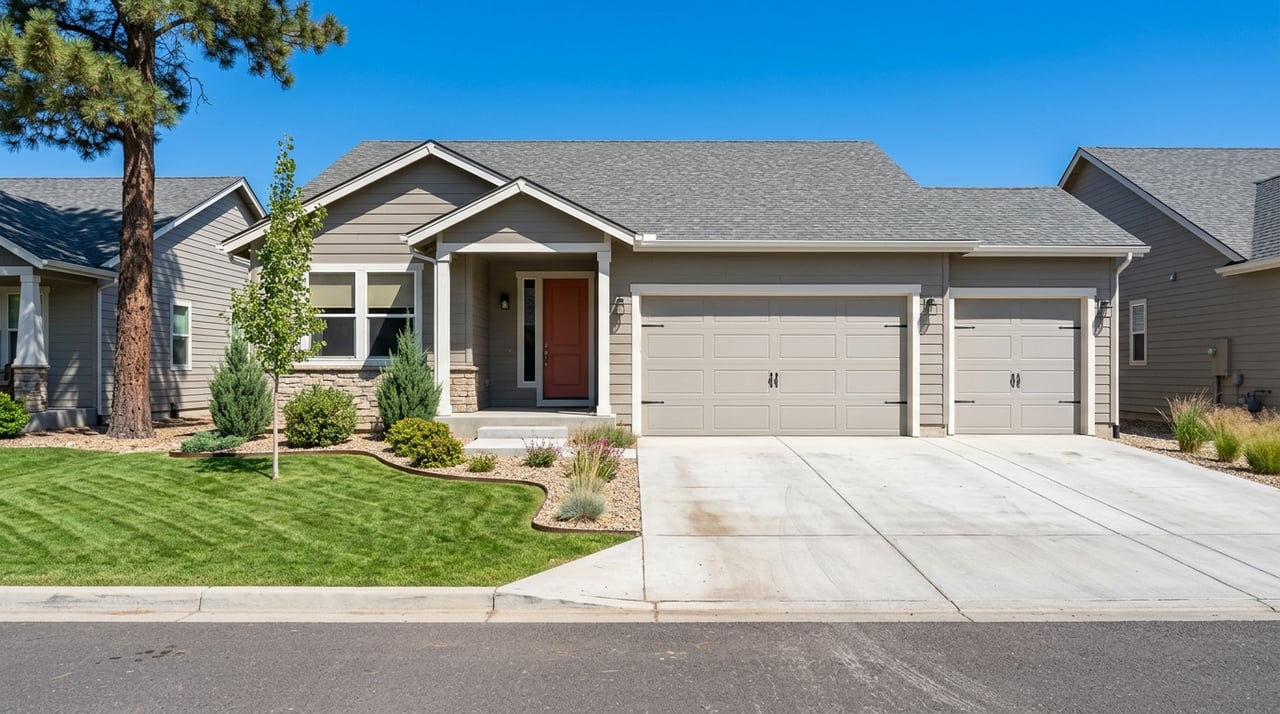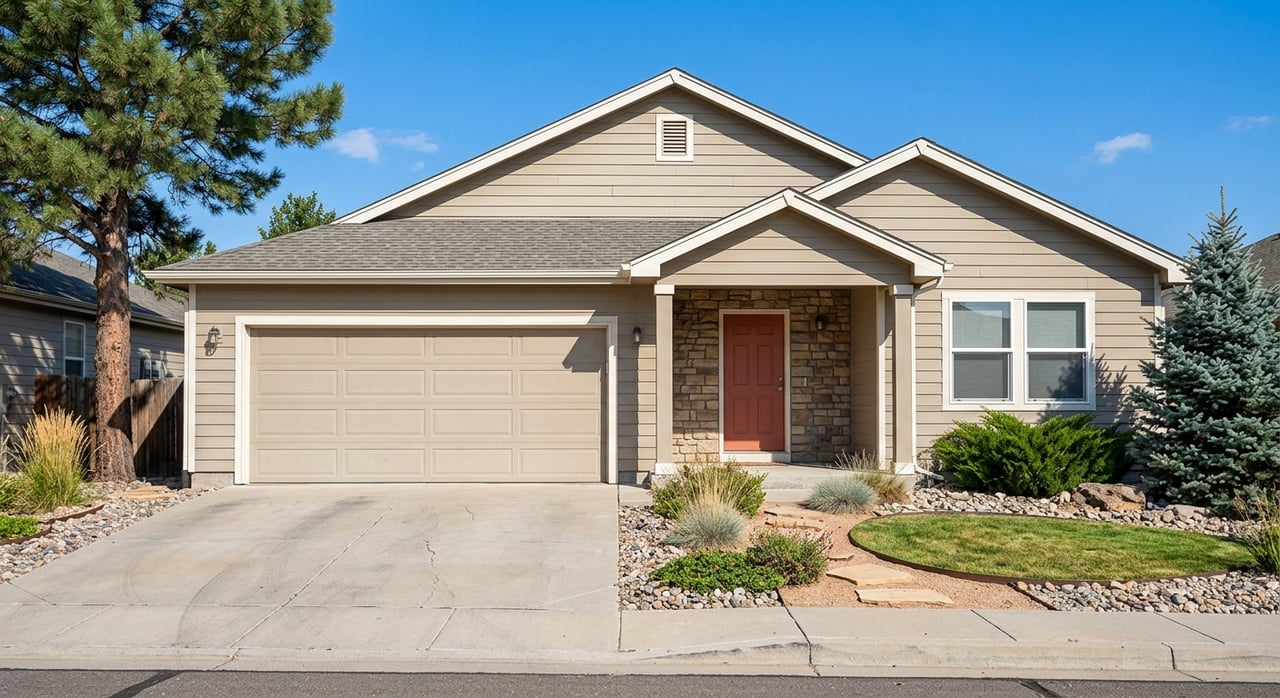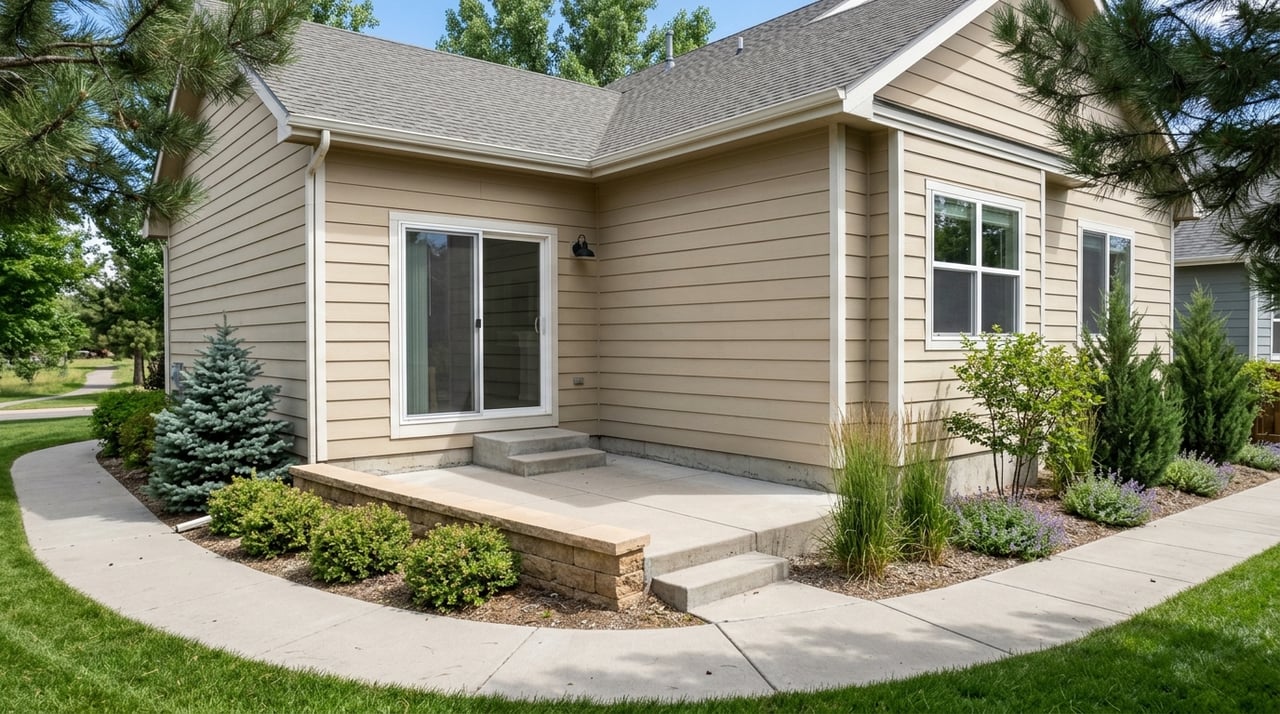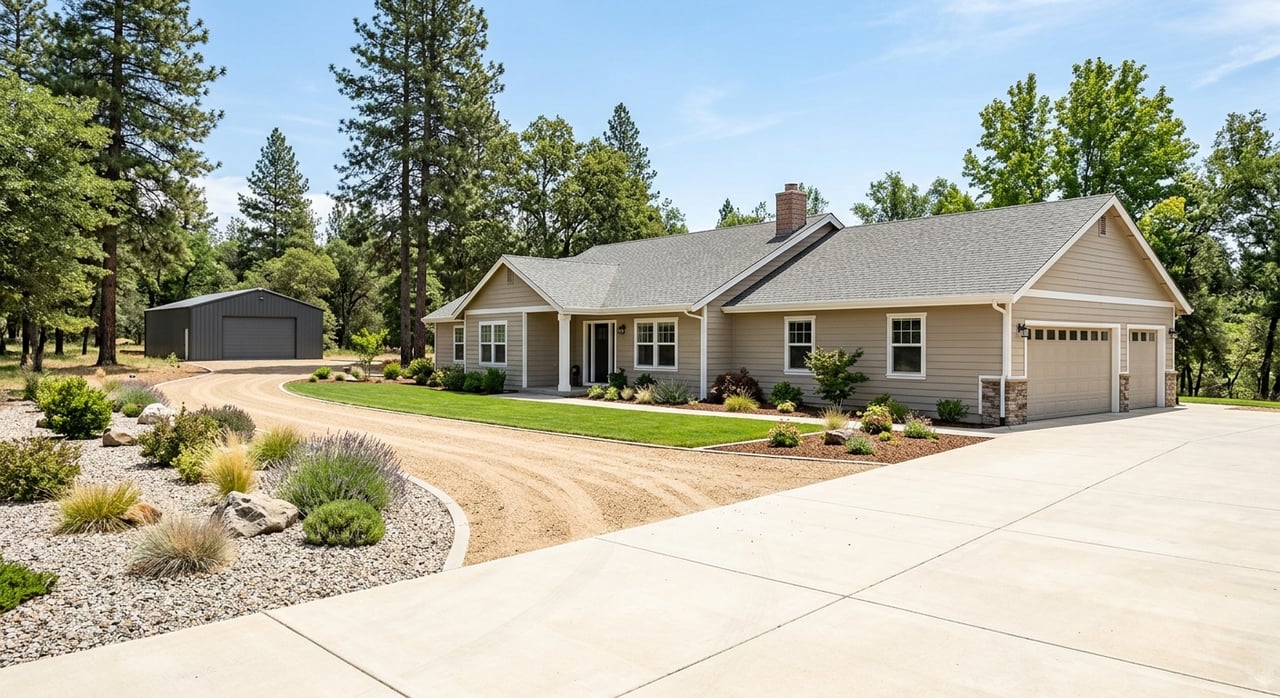
Staring at listings and wondering whether a condo or a townhome will fit your life in Denver? You are not alone. Buyers often focus on list price and layout, then get surprised by HOA rules, insurance, and resale details that matter just as much. This guide breaks down the real differences in ownership, costs, lifestyle, financing, and due diligence so you can choose with confidence. Let’s dive in.
Denver market snapshot and costs
Denver’s city median sale price hovered around $571,250 in early 2026. Across the metro, attached homes such as condos and townhomes typically price lower than detached houses, with recent attached medians in the roughly $390,000 to $420,000 range. Market reports showed attached homes softening relative to detached properties in 2025, which can mean more options and negotiation room for buyers. You can explore metro trends in the Denver Metro Association of Realtors’ latest reporting for broader context on pricing and days on market. DMAR’s market trends overview is a helpful starting point.
HOA dues are a major part of total cost. In Denver, condos often run about $300 to $600 per month in buildings with amenities, while many townhome HOAs range from about $150 to $400 per month depending on what they cover. Dues have increased materially since 2020, driven in part by rising insurance costs. Review what is included and budget for potential increases. See typical ranges and what drives them in this local explainer on Denver HOA fee trends and inclusions.
For property taxes, Denver’s combined general mill levy was reported at 79.202 mills for 2024. Colorado taxes use assessed value, so you calculate taxes using the assessor’s value multiplied by the mill levy and any district add-ons. Always verify the property’s current taxing district details with the county assessor. The City and County provides guidance on assessments and mill levies.
Insurance is another pressure point. The Front Range has seen steep increases and some nonrenewals tied to severe weather. That impacts both HOA master policies and your personal policy. Expect higher premiums than in many other states and plan for volatility. The Colorado Sun has covered this trend in depth; see the overview on rising premiums and carrier nonrenewals.
What you actually own: condo vs townhome
Condo ownership basics
In a typical condo, you own your unit interior and share an undivided interest in common elements such as hallways, the roof, structure, land, parking structures, and amenities. The association manages and insures the common elements, then collects dues to cover upkeep. Colorado’s Common Interest Ownership Act (CCIOA) provides definitions and governance rules for these communities. You can review the statutory framework here: Colorado CCIOA condominium definitions.
Townhome ownership basics
A townhome is a building style, not a legal category by itself. Many Denver townhomes are fee simple, which means you own the land and the structure, often including the exterior and roof. Others are legally formed as condo-style communities under CCIOA. The key is to confirm the recorded declaration and deed. Your maintenance, insurance, and HOA duties hinge on that legal setup.
What this means for maintenance
- In a condo, the association typically handles the exterior, roof, and building systems. You focus on interior repairs and a personal condo policy.
- In a fee-simple townhome, you usually handle more of the exterior and roof. HOAs often cover shared landscaping, private roads, and limited common elements, but not full building upkeep.
Different responsibilities change both your monthly costs and your time spent on maintenance.
HOA rules, reserves, and your risk
What HOAs often cover
Condo HOAs commonly cover exterior maintenance, roof, elevators, parking structures, landscaping, snow removal, trash, a master insurance policy, and sometimes water or other common utilities. Townhome HOAs often cover less of the building itself and focus on common areas, so dues can be lower but your personal maintenance obligations are higher. The difference shows up in your time and your insurance policy needs.
Why reserves and governance matter
Colorado expects associations to adopt responsible governance policies and to disclose reserve information. Low reserves plus older building systems are a red flag. If reserves are thin and a roof or boiler needs replacement, owners could face a special assessment. The Division of Real Estate offers guidance on HOA finances and reserve expectations.
Colorado law also sets important buyer protections. Associations must provide certain records and, if requested, a binding statement of unpaid assessments within 14 calendar days. This estoppel or resale statement is a key piece of your due diligence because it confirms what you will owe at closing. Learn more about these CCIOA rights in this overview of association disclosures and estoppel timelines.
Insurance: master policy types and your coverage
The HOA’s master policy determines what you must insure personally.
- Bare-walls: covers exterior and common areas only.
- Single-entity: covers some original interior components.
- All-in: broader coverage including many interior elements and some upgrades.
Confirm the master policy type, limits, and deductibles. Large deductibles can translate to owner responsibility or special assessments after a claim. This guide to HOA master insurance policies explains common structures and coverage gaps.
Pair that with today’s premium environment in Colorado. If the HOA’s master premium spikes, dues usually follow. Owners may also see higher costs for their HO-6 (condo) or HO-3 (townhome) policies.
Lifestyle fit and likely Denver locations
When a condo fits best
- You want low maintenance, single-level living, and building amenities.
- You value walkability to dining, transit, and entertainment.
- You are comfortable with structured parking or assigned spaces and potential higher dues for shared amenities.
You will find many options in central and near-central areas such as LoDo, Ballpark/Riverfront, Downtown, Capitol Hill, and Cherry Creek. These neighborhoods often deliver strong transit access and shorter commutes, plus elevator buildings and concierge-style amenities in some properties.
When a townhome fits best
- You want a private entrance, attached garage, and more separation from neighbors.
- Multi-level layouts with bedrooms upstairs work well for your routine.
- You prefer lower dues and do not mind handling some exterior upkeep.
Look to neighborhoods with active infill, including parts of the Highlands, Platt Park, Washington Park area, Berkeley, Five Points, and Sloan’s Lake. You will often see newer builds with rooftop decks or patios and garage parking.
Considering the suburbs
Outer metro areas can offer lower entry prices and newer communities with shared amenities. In these areas, confirm any metro district taxes in addition to county property taxes to get a full view of annual costs.
Costs to compare beyond list price
Price is the headline, but total monthly cost tells the real story. Build your budget with these line items:
- HOA dues and what they cover. Review the last two years of budgets and any notes on pending increases.
- Insurance. Match your policy to the master policy type and ask your insurance agent to model the HOA deductible scenario.
- Property taxes. Use the assessor’s value and the current mill levy for your property’s district. The county’s page on assessments and mill levies can help you estimate.
- Utilities. Some condo buildings include water, heat, or trash in dues. Townhomes often do not.
- Parking and storage. Confirm deeded spaces, fees, and guest parking rules in writing.
- Commuting and transit costs. Consider your daily time and expense compared with your top neighborhoods.
- Rental flexibility. If you plan to rent, know Denver’s rules. Short-term rentals are limited to your primary residence and require a license. HOAs may add stricter restrictions. Review the city’s short-term rental requirements.
Financing and resale factors
Condo warrantability matters
Lenders evaluate condo projects for eligibility under agency rules. Projects with high commercial space, many units owned by one entity, high delinquencies, low reserves, or litigation can be ineligible for standard programs. If you plan to use FHA or VA financing, check the project’s status early. FHA maintains an approved list and permits single-unit approvals in limited cases. Learn more on HUD’s condominium approval page.
Townhomes that are fee simple often underwrite like detached homes, though you still disclose any HOA and its financials. If a townhome is legally a condo, expect the same project review as a condo.
Resale patterns to weigh
In many markets, townhomes track detached-home appreciation more closely because of land ownership, while condos are more sensitive to urban demand and amenity preferences. In Denver through 2025, attached homes generally softened more than detached homes, signaling that resale experience can vary widely by submarket and building characteristics. Local fundamentals such as neighborhood desirability, transit access, HOA health, and maintenance history tend to drive long-term outcomes. For broader trends, see DMAR’s market trends.
Your Denver due diligence checklist
When you are serious about a property, request and review these items early. They will help you confirm value, risk, and carrying costs before you commit.
- Resale or estoppel packet with a binding statement of unpaid assessments, plus any transfer or status fees. Colorado law sets a 14-day deadline for this statement. See CCIOA estoppel guidance.
- Current HOA budget, year-to-date financials, and the most recent reserve study or written reserve policy. Look for realistic reserve contributions relative to building age. State guidance is here: HOA finances and reserves.
- Master insurance summary and declarations page with policy type, limits, and per-claim deductible. Confirm who pays the deductible after a claim. Reference: HOA master policy types.
- Board meeting minutes for the last 6 to 12 months. Look for recurring maintenance issues, vendor cancellations, or talk of special assessments.
- Delinquency report, collection policy, and any litigation disclosures. High delinquencies or active lawsuits can affect both financing and future dues.
- Rules that affect your use. Review rental caps, short-term rental rules, pet policies, parking, and storage.
- Lender requirements. If you need FHA, VA, or conventional with agency backing, confirm the project’s eligibility early at HUD’s condo portal or with your lender.
- Property tax estimate. Use the assessor’s portal for the most recent assessed value and mill levy details: Denver property assessments.
A simple way to choose
Use this quick filter when you are comparing two strong options.
Choose a condo if:
- You want low-maintenance living and building amenities.
- You value walkability and elevator access more than private outdoor space.
- You are comfortable paying higher dues in exchange for less personal upkeep.
Choose a townhome if:
- You want a private entrance and attached garage.
- You prefer some outdoor space such as a patio, yard, or rooftop.
- You want lower dues and do not mind handling part of the exterior maintenance.
Either way, run a total monthly budget that includes mortgage, HOA dues, insurance, taxes, utilities, and a cushion for special assessments. Then weigh lifestyle trade-offs like parking, stairs, noise, and commute. The best choice is the one that fits your daily life and your long-term plan.
Ready to compare real properties, analyze HOA documents, and model true monthly costs before you write an offer? Connect with Brent & Jen Patterson for hands-on guidance and a clear plan to your Denver-area purchase.
FAQs
What is the main legal difference between a Denver condo and a townhome?
- In a condo, you own the unit interior plus a shared interest in common elements governed by CCIOA. Many townhomes are fee simple, where you own the land and structure, but some townhomes are formed as condo-style communities. Always confirm the recorded declaration and deed.
How much are typical HOA dues for condos and townhomes in Denver?
- Many condo dues range about $300 to $600 per month in amenity buildings, while many townhome HOAs run about $150 to $400 per month depending on coverage. Review budgets and what is included before you buy.
Do condo HOAs cover more maintenance than townhome HOAs?
- Often yes. Condo HOAs typically cover the exterior, roof, and building systems. Townhome HOAs may cover only common areas and shared infrastructure, leaving more exterior maintenance to owners.
How do Denver property taxes work for condos and townhomes?
- Taxes use the assessor’s value multiplied by the mill levy for the property’s taxing district. Check the assessor’s site for current values and levies, and include any metro district taxes in your estimate.
Can I run a short-term rental in a Denver condo or townhome?
- Denver limits short-term rentals to your primary residence and requires a license. HOAs may further restrict or prohibit STRs. Confirm both city rules and your community’s governing documents before you rely on rental income.