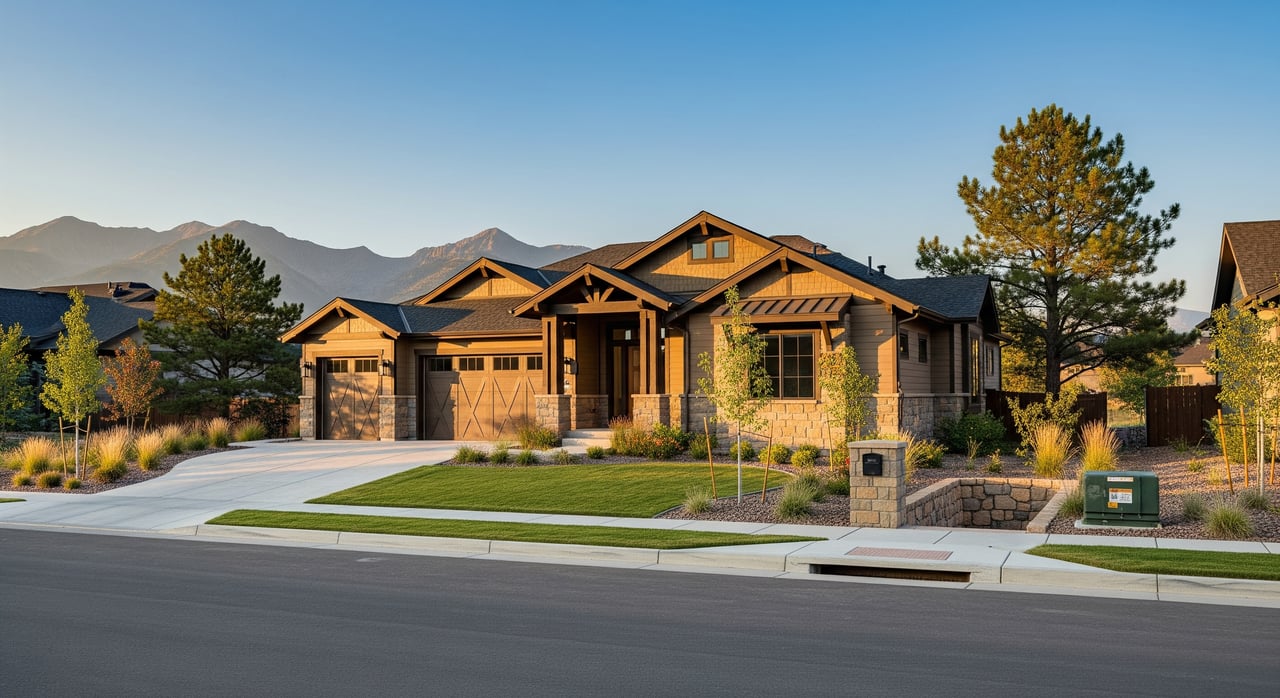
If your ideal Colorado Springs day starts with a trail run, a dog walk, or a quick drive to open space before work, West Colorado Springs deserves a closer look. This part of town offers a different kind of lifestyle than a typical subdivision search, and that can feel exciting and a little hard to sort through at the same time. The good news is that you do not need to think of the west side as one single neighborhood. You can think of it as a range of outdoor-friendly pockets, each with its own rhythm, access points, and home styles. Let’s dive in.
Why West Colorado Springs Stands Out
West Colorado Springs is best understood as a collection of connected areas rather than one uniform district. The city’s Greater Westside planning area includes Gold Hill, Ivywild, Mesa, Mesa Springs, Midland, Old Colorado City, Skyway, Stratton Meadows, and Westside. Some parts are recognized as historic neighborhoods, while others feel more established, corridor-based, or foothill-oriented.
For you as a buyer, that matters because your day-to-day experience can vary quite a bit from one pocket to the next. In some areas, you may be closer to gridded streets and commercial corridors. In others, you may feel much more tied to trailheads, open space, and the terrain itself.
Think in Terms of Outdoor Routine
One of the best ways to narrow your search is to focus less on finding the "best" west side neighborhood and more on the kind of outdoor routine you want. The west side supports a wide range of lifestyles, from quick weekday walks to bigger weekend hikes and bike rides.
That means your ideal fit may depend on whether you want:
- Easy access to historic streets and nearby shops
- Trail connections for running or biking close to home
- Dog-friendly open space nearby
- Foothill living with fast access to canyon trails
- A launch point for places like Garden of the Gods or Manitou Springs
Old Colorado City and Westside Core
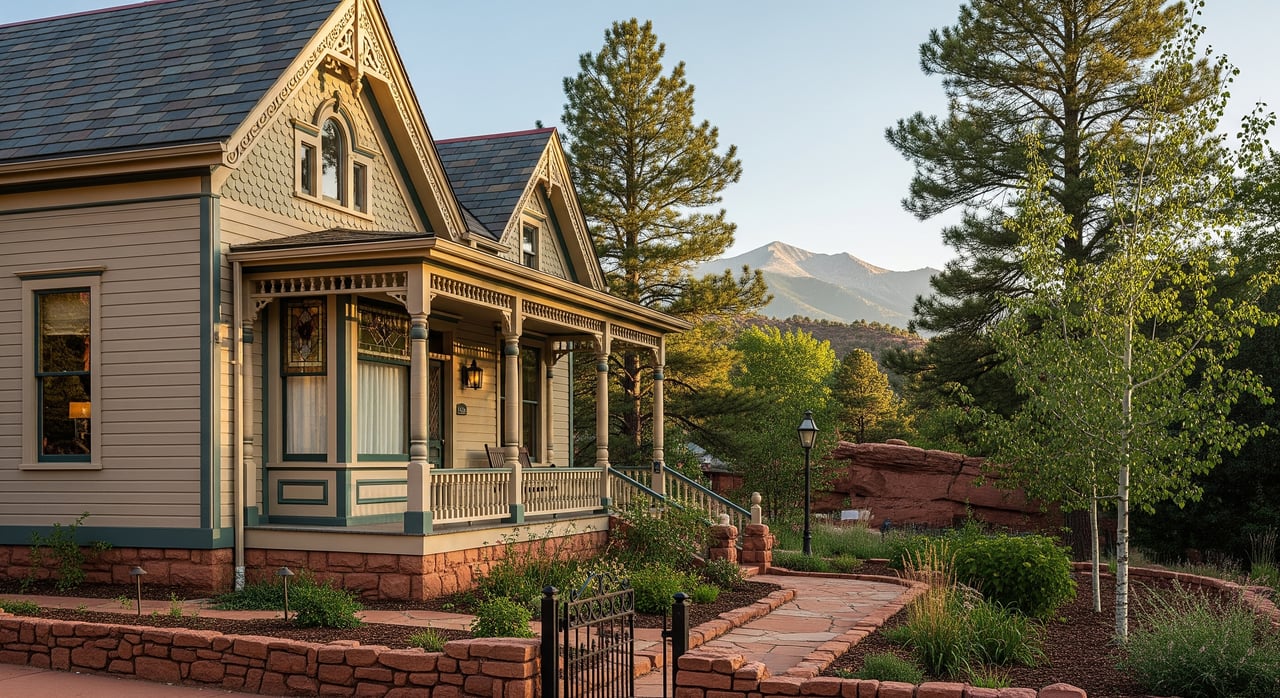
If you want outdoor access without giving up a close-in location, Old Colorado City and the Westside core are often the first places buyers explore. Old Colorado City is the historic commercial center of the area, and parts of both Old Colorado City and the Westside are recognized in PlanCOS as historic neighborhoods. That helps explain the older street pattern, established feel, and strong sense of place.
This part of the west side can appeal to buyers who like being near downtown while still having quick access to parks, trails, and west-side recreation corridors. The Westside Community Center in Old Colorado City also remains an active local resource, which adds to the area’s everyday functionality.
Why buyers like this pocket
For many buyers, this area works well because it blends older neighborhood character with convenience. You are not necessarily choosing a pure foothill experience here. Instead, you are choosing a location that can make it easier to combine city access, local errands, and outdoor time in the same day.
Midland, Mesa Springs, and Gold Hill Mesa
If your priority is connectivity, the corridor areas of Midland, Mesa Springs, Mesa, and Gold Hill Mesa are worth watching. In this part of the west side, Colorado Avenue acts as a major spine street, and the Midland Tier I Trail is the main non-motorized facility identified in city planning.
This area also ties into a broader recreation network. The Legacy Loop planning framework highlights the Pikes Peak Greenway on the west and south side of downtown and points to the Midland Trail as an important access point. For buyers who want biking, walking, or running routes built into daily life, that is a meaningful advantage.
Best fit for corridor-minded buyers
These pockets may appeal to you if you want a more connected, car-light lifestyle, especially closer in. Based on transit and trail maps, bike and transit access tend to be strongest near the corridor rather than across every west-side neighborhood. In practical terms, that can make these areas attractive if you value urban trail links and easier access into downtown.
Skyway, Stratton, and the Cheyenne Cañon Edge
If you want the foothills to feel close, Skyway and Stratton deserve serious attention. This part of the west side offers a more nature-adjacent feel, with faster access to trailheads and open space that can become part of your weekly routine.
Stratton Open Space sits next to North Cheyenne Cañon Park and includes 318 acres with five distinct ecosystems. It offers easy-to-moderate loop trails and trailheads off La Veta Way, Ridgeway, and near Starsmore. For buyers who picture stepping into the foothills without a long drive, that kind of access is hard to ignore.
North Cheyenne Cañon Park itself is a 1,600-acre canyon park on the southwest side of Colorado Springs. It offers access for hiking, biking, running, and climbing, with routes that continue up-canyon toward Helen Hunt Falls. This area tends to attract buyers who want outdoor access to feel like part of the landscape around their home, not just something they drive to on weekends.
A note on terrain and conditions
Foothill living can be beautiful, but it also comes with practical considerations. North Cheyenne Cañon notes icy winter conditions and occasional road closures during snow events. The city’s Hillside Overlay rules also reflect the reality of slopes, grading, vegetation, and fire mitigation in these areas.
For you, that means a foothill property may offer a more custom, tucked-into-nature setting, but it may also require a bit more awareness around access, lot shape, and seasonal conditions. That is not a drawback for many buyers. It is simply part of choosing the lifestyle with clear eyes.
Blodgett and the Western Foothill Edge
Another important reference point on the west side is Blodgett Open Space. The city describes it as 384 acres of open space, trails, and wildlife habitat next to Pike National Forest. It also serves as an access point to the national forest through the Hummingbird Trail.
This area feels especially appealing for buyers who want homes near the western edge of the city and care more about terrain and trail access than a traditional street-grid setting. The city is also improving the space with designated hiking, biking, and multi-use trails, which reinforces the area’s outdoor-first identity.
The West Side Recreation Network
One of the biggest strengths of West Colorado Springs is how connected many outdoor spaces are. Instead of thinking about individual parks as separate destinations, it helps to picture the west side as a recreation network.
Red Rock Canyon Open Space is a great example. Located along Highway 24, it includes dirt trails for pedestrians, bikes, horses, and leashed dogs, plus rock climbing and off-leash dog areas. It also connects directly to Section 16 and the Intemann Trail.
Bear Creek Cañon Park adds even more regional connectivity. It links to Red Rock Canyon Open Space, North Cheyenne Cañon Park by way of Gold Camp Road and High Drive, and U.S. Forest Service lands. Then you have Garden of the Gods, another major anchor with free access, paved and unpaved hiking paths, mountain biking, horseback riding, road biking, and technical rock climbing.
What this means for buyers
If you are outdoors-oriented, this connected system can shape your home search in a big way. You may not need to live next to one specific park to enjoy strong access. In many west-side areas, the value comes from being near a chain of parks, trails, and open spaces that support different activities throughout the week.
Shared-Use Trails Matter
Many west-side trails are shared-use, and that is important to know before you buy. The city notes that trail users may include hikers, runners, bicyclists, equestrians, and dogs. In Red Rock Canyon, leashed dogs are allowed on most trails, with a separate off-leash area, while Stratton Open Space distinguishes between hiker-only paths and bike or equestrian loops.
If you love active outdoor living, this is usually a plus. It gives you more ways to use the trail system close to home. It also means trail etiquette and comfort with shared space are part of the lifestyle.
Access to Manitou Springs and Bigger Hikes
For many west-side residents, Manitou Springs acts as the nearby gateway to some of the region’s best-known outdoor experiences. That includes the Manitou Incline, which requires a free online reservation and waiver.
The city also notes that parking is limited in town, which is why the free Manitou Shuttle can be so useful. Mountain Metro’s Route 3 connects downtown and Manitou Springs Memorial Park, while Route 33 serves the Manitou Shuttle and Incline route. If your idea of a great Saturday includes a steep climb followed by lunch nearby, west-side access to Manitou can be a real lifestyle perk.
How to Choose the Right West-Side Pocket
The best west-side fit usually comes down to matching your home search with your habits. A few simple questions can help you narrow things down:
- Do you want a historic, close-in setting or a foothill-edge setting?
- How often do you want to walk or bike from home instead of driving?
- Would you rather be near a corridor with stronger trail and transit connections?
- Do you want open space for dog walks, trail runs, or mountain biking nearby?
- Are you comfortable with steeper terrain and more weather-related considerations?
When you answer those questions first, neighborhoods start to make more sense. You are no longer just comparing home styles. You are comparing daily routines.
What Outdoor-Oriented Buyers Should Remember
West Colorado Springs works best as a spectrum, not a single label. Old Colorado City and the Westside core offer historic streets and close-in convenience. Midland, Mesa Springs, and nearby corridor pockets support urban trail access and connections into downtown.
Skyway, Stratton, and the Cheyenne Cañon edge lean more into foothill trail life. Blodgett and other western-edge areas appeal to buyers who want quick access to forest-adjacent open space. The right choice depends on how you want to live, move, and spend time outside.
If you want help narrowing your search based on lifestyle, trail access, and the kind of daily routine you want to build, Brent & Jen Patterson are here to help you explore West Colorado Springs with local insight and personalized guidance.
FAQs
What is considered West Colorado Springs?
- West Colorado Springs is a mix of neighborhoods in the city’s Greater Westside planning area, including places like Gold Hill, Mesa, Mesa Springs, Midland, Old Colorado City, Skyway, Stratton Meadows, and Westside.
Which West Colorado Springs areas feel most historic?
- Old Colorado City and parts of the Westside are recognized in city planning as historic neighborhoods, which helps explain their older street patterns and established character.
Which West Colorado Springs areas are best for trail access?
- Buyers often look at areas near Red Rock Canyon, Bear Creek, Stratton Open Space, North Cheyenne Cañon, and Blodgett Open Space when trail access is a top priority.
Is West Colorado Springs good for biking and running?
- Yes. The area includes shared-use trail connections such as the Midland Trail, Pikes Peak Greenway access, and several open spaces that support biking, running, and walking.
What should buyers know about foothill homes in West Colorado Springs?
- Foothill properties can offer quick access to open space and a more nature-adjacent feel, but buyers should also be aware of steeper terrain, winter conditions, and wildfire-related considerations tied to hillside locations.
Can you live car-light on the west side of Colorado Springs?
- In some closer-in corridor areas, that may be easier because transit and bike connections are stronger near downtown, Colorado Avenue, and Manitou-linked routes than in more foothill-oriented neighborhoods.